

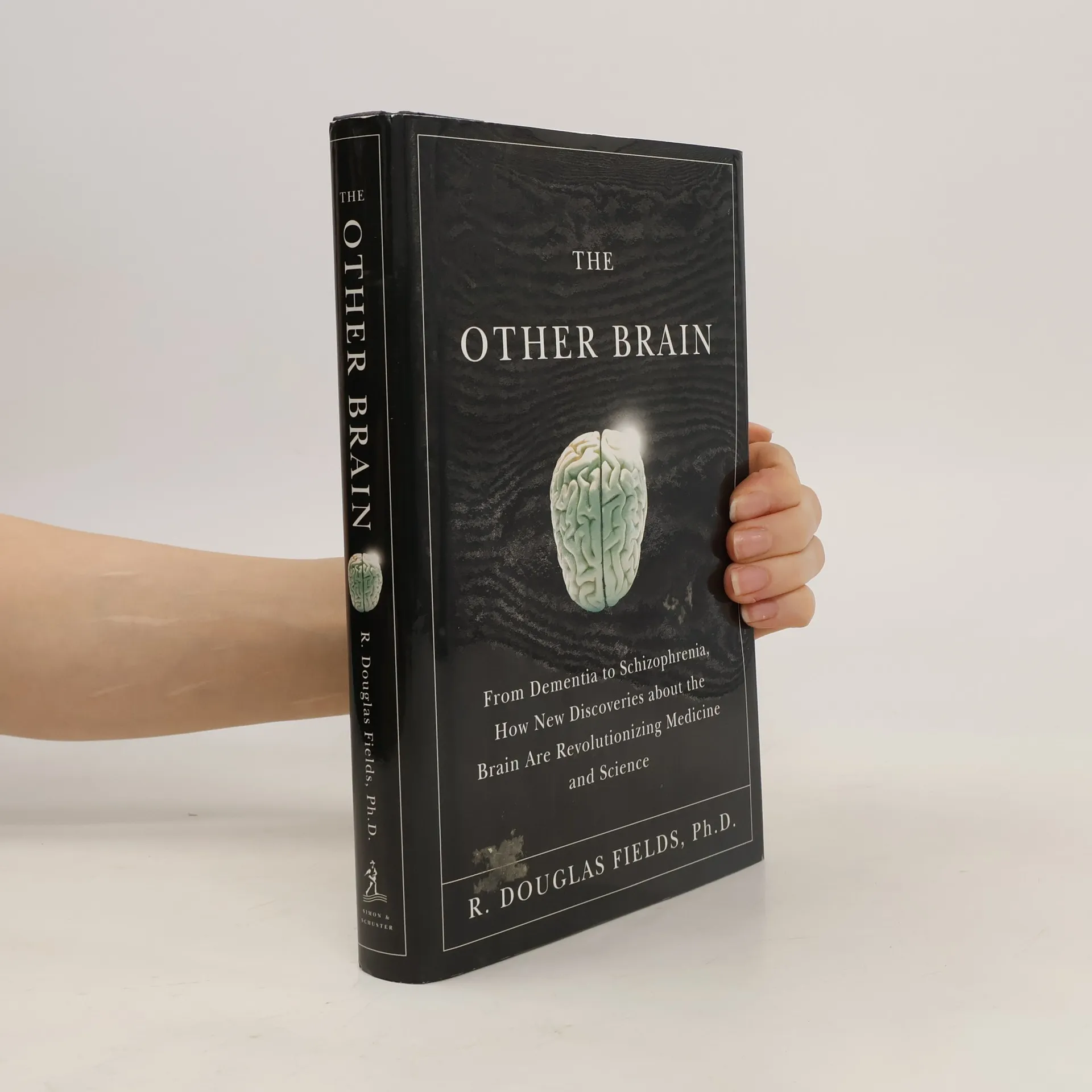
The Other Brain
From Dementia to Schizophrenia, How New Discoveries about the Brain Are Revolutionizing Medicine and Science
Autorzy
Ocena książki
Więcej o książce
Review: "Despite extensive research on the brain, a crucial aspect has been largely overlooked until now: glia, which constitute about 85 percent of brain cells. Once dismissed as mere support structures ("glia" means glue), these cells are now at the forefront of a revolution in brain science." "Distinct from neurons, the well-known brain cells, glia have their own communication network that functions alongside neuronal interactions. They provide insulation for neurons and regulate information flow between them." "The most exciting developments in glia research involve potential breakthroughs in medical science. Diseases like brain cancer and multiple sclerosis stem from dysfunctional glia. Moreover, glia are thought to contribute to psychiatric disorders such as schizophrenia and depression, as well as neurodegenerative diseases like Parkinson's and Alzheimer's. They are also associated with infectious diseases, including HIV and prion diseases (e.g., mad cow disease), and chronic pain. Researchers have found that glia play a crucial role in repairing the brain and spinal cord following injury or stroke. As we deepen our understanding of these cells that comprise the "other" brain, their significance continues to grow."
Zakup książki
The Other Brain, Douglas Robert Stinson
- Język

- Rok wydania
- 2009
- Oprawa
- (twarda)
Metody płatności
Brakuje nam tutaj Twojej recenzji.
- Tytuł
- The Other Brain
- Podtytuł
- From Dementia to Schizophrenia, How New Discoveries about the Brain Are Revolutionizing Medicine and Science
- Język
- angielski
- Autorzy
- Douglas Robert Stinson
- Wydawca
- Simon & Schuster
- Rok wydania
- 2009
- Oprawa
- twarda
- Liczba stron
- 371
- ISBN10
- 0743291417
- ISBN13
- 9780743291415
- Seria
- Kategorie
- Ocena
- 4,1 z 5
- Opis
- Review: "Despite extensive research on the brain, a crucial aspect has been largely overlooked until now: glia, which constitute about 85 percent of brain cells. Once dismissed as mere support structures ("glia" means glue), these cells are now at the forefront of a revolution in brain science." "Distinct from neurons, the well-known brain cells, glia have their own communication network that functions alongside neuronal interactions. They provide insulation for neurons and regulate information flow between them." "The most exciting developments in glia research involve potential breakthroughs in medical science. Diseases like brain cancer and multiple sclerosis stem from dysfunctional glia. Moreover, glia are thought to contribute to psychiatric disorders such as schizophrenia and depression, as well as neurodegenerative diseases like Parkinson's and Alzheimer's. They are also associated with infectious diseases, including HIV and prion diseases (e.g., mad cow disease), and chronic pain. Researchers have found that glia play a crucial role in repairing the brain and spinal cord following injury or stroke. As we deepen our understanding of these cells that comprise the "other" brain, their significance continues to grow."