

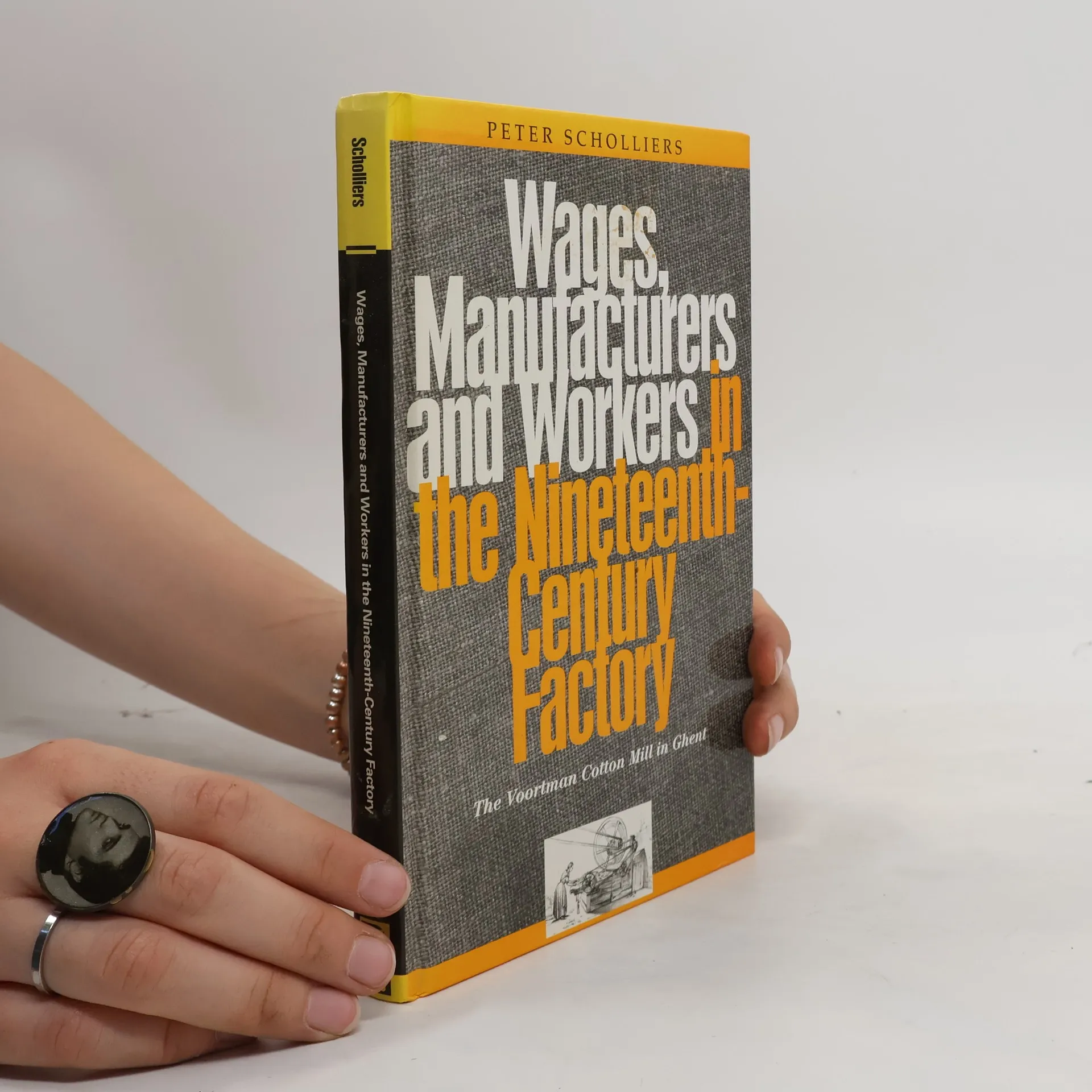
Wages, Manufacturers and Workers in the Nineteenth-Century Factory
The Voortman Cotton Mill in Ghent
Autorzy
Ocena książki
Więcej o książce
Wages have always been a major expense for businesses. This fascinating book studies the impact of spiralling wage demands in a cotton factory in Ghent during the 19th century and the efforts of management to reduce this cost through investment in new technology and stricter employment policies. The workers' responses to wage cutting are also considered. The importance of this study lies in its unique collection of wage data -- more than 200 pay books and 100 ledgers from the Voortman cotton factory -- which show, in great detail, the hourly, daily and yearly wages for all categories of workers between 1835-1913. Various aspects of wages are addressed changing living and working conditions; wages of women and children in relation to the 'family wage economy'; wage comparison between workers at Voortman and workers in other industries and regions; productivity, purchasing power and industrial relations.
Zakup książki
Wages, Manufacturers and Workers in the Nineteenth-Century Factory, Peter Scholliers
- Język

- Rok wydania
- 1996
- Oprawa
- (twarda)
Metody płatności
Brakuje nam tutaj Twojej recenzji.
- Tytuł
- Wages, Manufacturers and Workers in the Nineteenth-Century Factory
- Podtytuł
- The Voortman Cotton Mill in Ghent
- Język
- angielski
- Autorzy
- Peter Scholliers
- Wydawca
- Bloomsbury Publishing PLC
- Rok wydania
- 1996
- Oprawa
- twarda
- Liczba stron
- 256
- ISBN10
- 1859730930
- ISBN13
- 9781859730935
- Seria
- Ocena
- 5 z 5
- Opis
- Wages have always been a major expense for businesses. This fascinating book studies the impact of spiralling wage demands in a cotton factory in Ghent during the 19th century and the efforts of management to reduce this cost through investment in new technology and stricter employment policies. The workers' responses to wage cutting are also considered. The importance of this study lies in its unique collection of wage data -- more than 200 pay books and 100 ledgers from the Voortman cotton factory -- which show, in great detail, the hourly, daily and yearly wages for all categories of workers between 1835-1913. Various aspects of wages are addressed changing living and working conditions; wages of women and children in relation to the 'family wage economy'; wage comparison between workers at Voortman and workers in other industries and regions; productivity, purchasing power and industrial relations.