



Więcej o książce
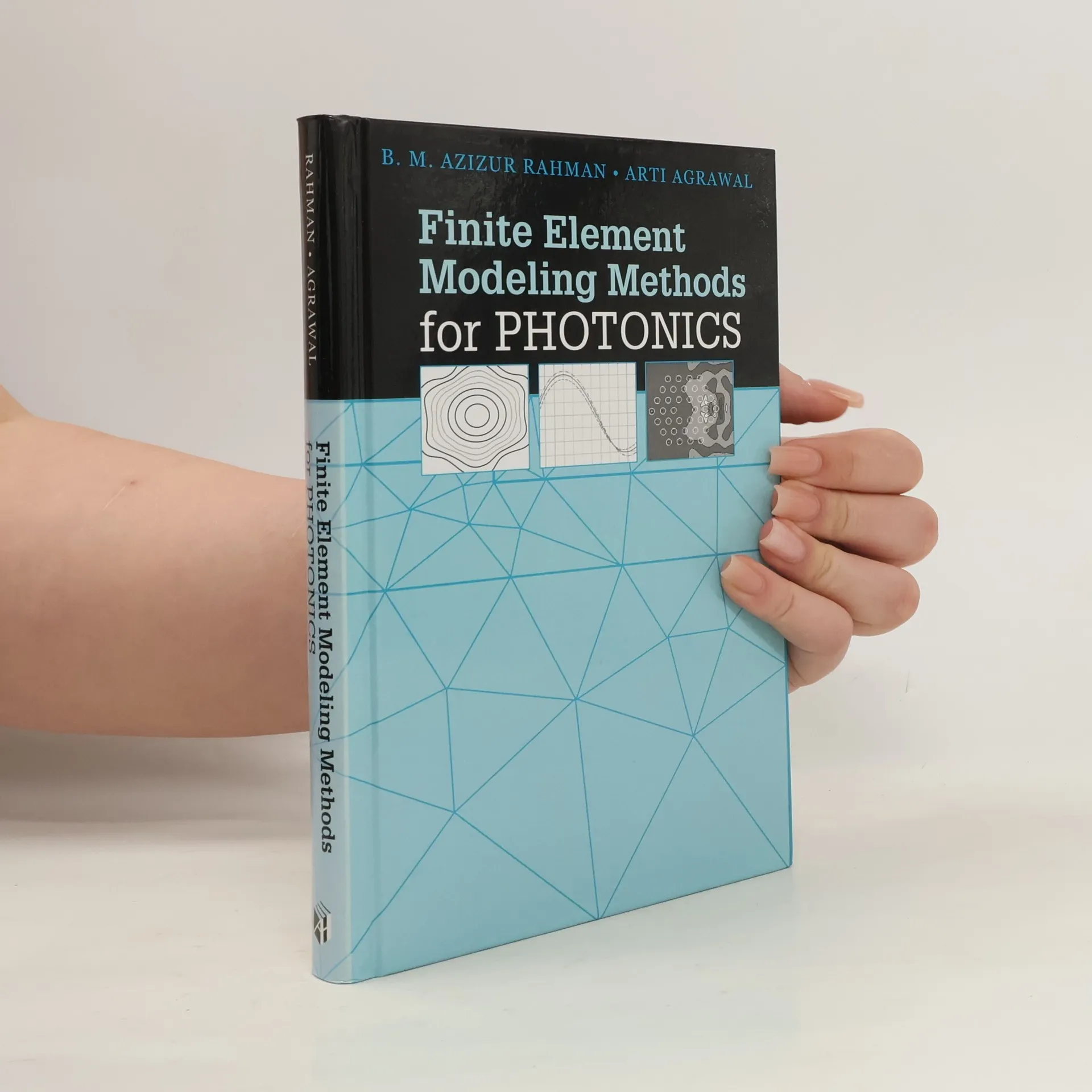
The term photonics can be used loosely to refer to a vast array of components, devices, and technologies that in some way involve manipulation of light. One of the most powerful numerical approaches available to engineers developing photonic components and devices is the finite element method (FEM), which can be used to model and simulate such components/devices and analyze how they will behave in response to various outside influences. This resource provides a comprehensive description of the formulation and applications of FEM in photonics devices that can be used in a wide range of applications. This book emphasizes practical, problem-solving applications and includes real-world examples to assist readers in understanding how mathematical concepts translate to computer code for finite-element-based methods applicable to a range of photonic structures. In addition, this is the perfect support to anyone using the COMSOL Multiphysics© RF Module. Contents Overview: Numerical Methods, Finite Element Methods, Beam Propagation Methods, Time Domain Methods, Physical Effects within the Finite Element Method, Present and Future Directions Methods Book jacket
Zakup książki
Finite Element Modeling Methods for Photonics, B. M. Azizur Rahman , Arti Agrawal
- Język

- Rok wydania
- 2013
- Oprawa
- (twarda)
Metody płatności
Nikt jeszcze nie ocenił.
- Tytuł
- Finite Element Modeling Methods for Photonics
- Język
- angielski
- Autorzy
- B. M. Azizur Rahman , Arti Agrawal
- Wydawca
- Artech House
- Rok wydania
- 2013
- Oprawa
- twarda
- Liczba stron
- 247
- ISBN10
- 1608075311
- ISBN13
- 9781608075317
- Seria
- Opis
- The term photonics can be used loosely to refer to a vast array of components, devices, and technologies that in some way involve manipulation of light. One of the most powerful numerical approaches available to engineers developing photonic components and devices is the finite element method (FEM), which can be used to model and simulate such components/devices and analyze how they will behave in response to various outside influences. This resource provides a comprehensive description of the formulation and applications of FEM in photonics devices that can be used in a wide range of applications. This book emphasizes practical, problem-solving applications and includes real-world examples to assist readers in understanding how mathematical concepts translate to computer code for finite-element-based methods applicable to a range of photonic structures. In addition, this is the perfect support to anyone using the COMSOL Multiphysics© RF Module. Contents Overview: Numerical Methods, Finite Element Methods, Beam Propagation Methods, Time Domain Methods, Physical Effects within the Finite Element Method, Present and Future Directions Methods Book jacket