

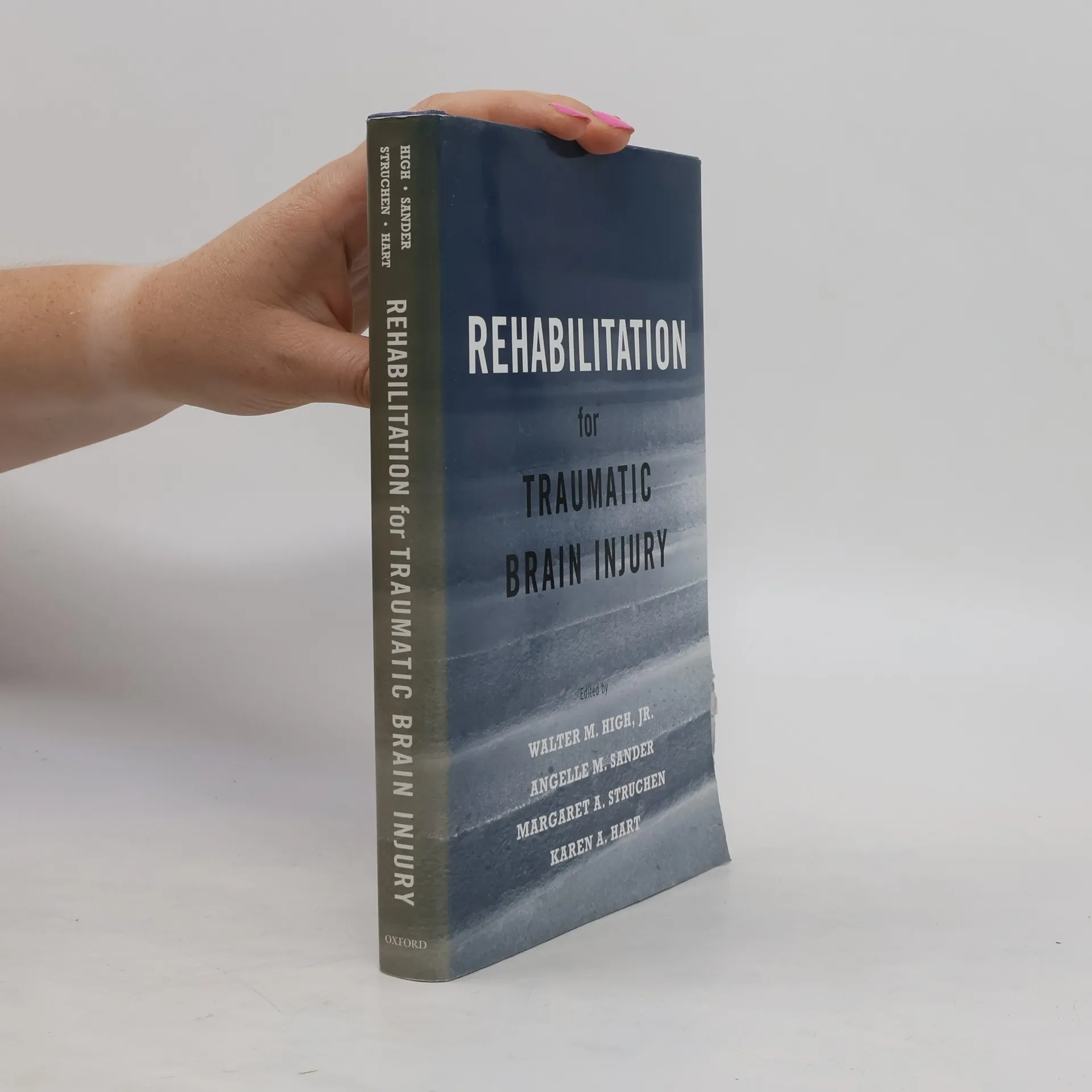
Więcej o książce
Rehabilitation For Traumatic Brain Injury (TBI) is a state-of-the-science review of the effectiveness of rehabilitation interventions. Leading experts conduct evidence-based reviews of specific areas of brain injury rehabilitation summarizing what is known in each area, critiquing the methodoligical problems of studies in the area, and then outlining new directions for research. The book begins with a review of the history of rehabilitation for TBI from World War I until the present. The second section of the book examines the rehabilitation of specific cognitive impairments in awareness, memory, executive functioning, communication, and emotion and behavior. The third section investigates special topics in rehabilitation of persons with TBI including substance abuse, interventions for caregivers, and vocational rehabilitation. The fourth section of the book covers rehabilitation with specific children, older adults, and persons from diverse cultures. Thefinal section examines topics in medical rehabilitation including treatment of spasticity, minimally conscious patients, and the contribution of neuroimaging to rehabilitation.
Zakup książki
Rehabilitation for Traumatic Brain Injury, Walter M High
- Język

- Rok wydania
- 2005
- Oprawa
- (twarda)
Metody płatności
Brakuje nam tutaj Twojej recenzji.
- Tytuł
- Rehabilitation for Traumatic Brain Injury
- Język
- angielski
- Autorzy
- Walter M High
- Wydawca
- Oxford University Press
- Rok wydania
- 2005
- Oprawa
- twarda
- Liczba stron
- 384
- ISBN10
- 0195173554
- ISBN13
- 9780195173550
- Seria
- Kategorie
- Ocena
- 4,5 z 5
- Opis
- Rehabilitation For Traumatic Brain Injury (TBI) is a state-of-the-science review of the effectiveness of rehabilitation interventions. Leading experts conduct evidence-based reviews of specific areas of brain injury rehabilitation summarizing what is known in each area, critiquing the methodoligical problems of studies in the area, and then outlining new directions for research. The book begins with a review of the history of rehabilitation for TBI from World War I until the present. The second section of the book examines the rehabilitation of specific cognitive impairments in awareness, memory, executive functioning, communication, and emotion and behavior. The third section investigates special topics in rehabilitation of persons with TBI including substance abuse, interventions for caregivers, and vocational rehabilitation. The fourth section of the book covers rehabilitation with specific children, older adults, and persons from diverse cultures. Thefinal section examines topics in medical rehabilitation including treatment of spasticity, minimally conscious patients, and the contribution of neuroimaging to rehabilitation.