


Ocena książki
Więcej o książce
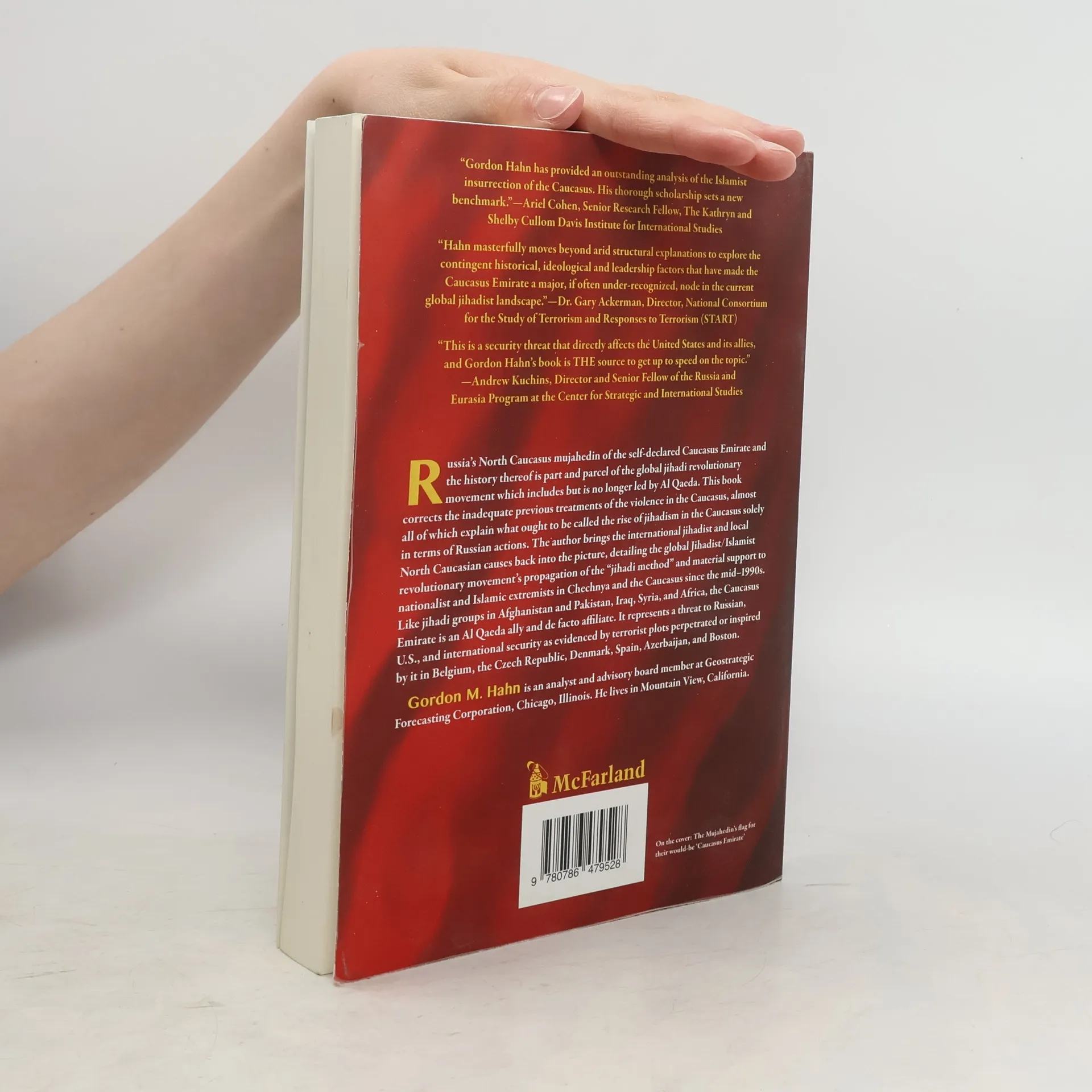
Russia's North Caucasus mujahedin of the self-declared Caucasus Emirate and the history thereof is part and parcel of the global jihadi revolutionary movement which includes but is no longer led by Al Qaeda. This book corrects the inadequate previous treatments of the violence in the Caucasus, almost all of which explain what ought to be called the rise of jihadism in the Caucasus solely in terms of Russian actions. The author brings the international jihadist and local North Caucasian causes back into the picture, detailing the global Jihadist/Islamist revolutionary movement's propagation of the "jihadi method" and material support to nationalist and Islamic extremists in Chechnya and the Caucasus since the mid-1990s. Like jihadi groups in Afghanistan and Pakistan, Iraq, Syria, and Africa, the Caucasus Emirate is an Al Qaeda ally and de facto affiliate. It represents a threat to Russian, U.S., and international security as evidenced by terrorist plots perpetrated or inspired by it in Belgium, the Czech Republic, Denmark, Spain, Azerbaijan, and Boston.
Zakup książki
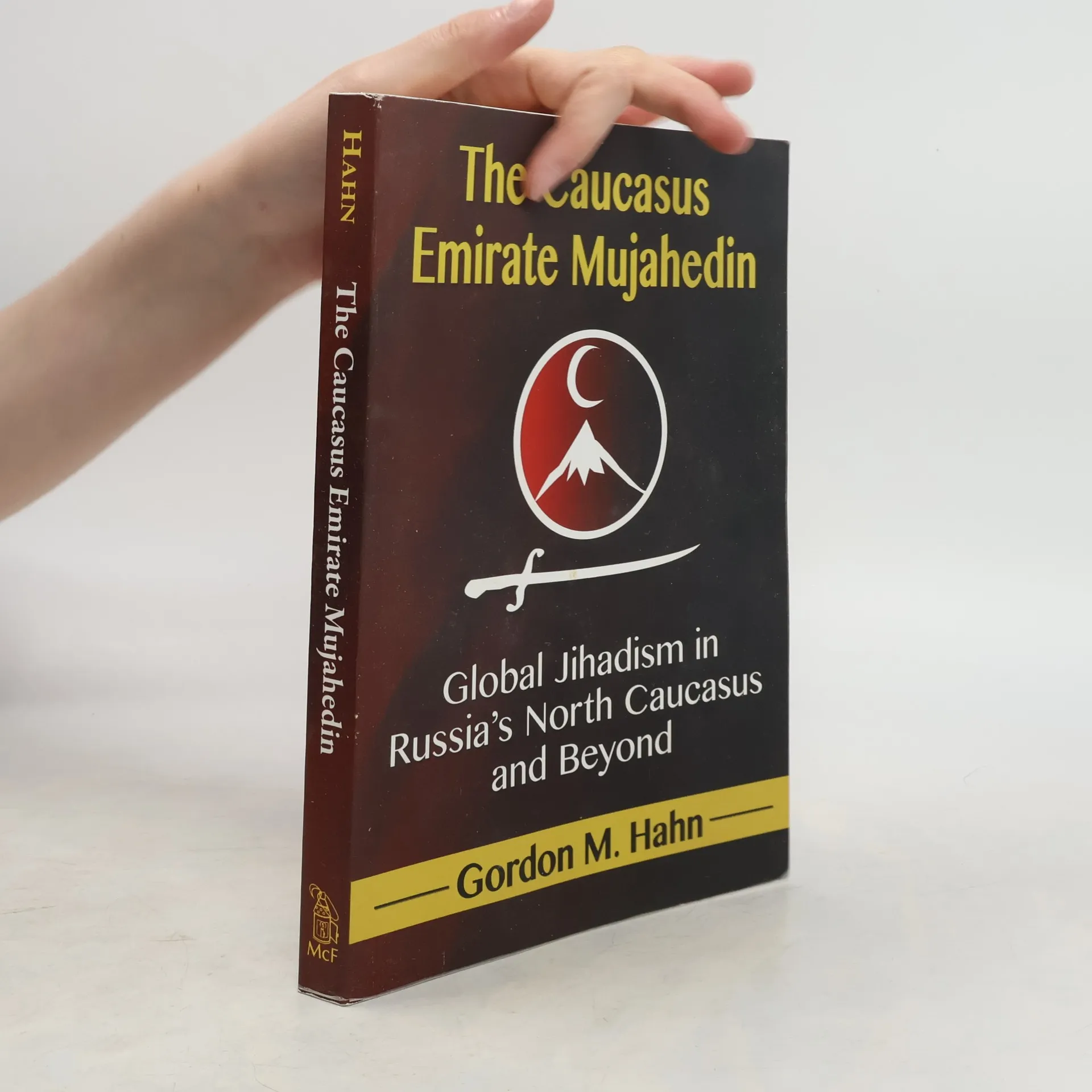
The Caucasus Emirate mujahedin : global Jihadism in Russia's North Caucasus and beyond, Gordon M. Hahn
- Język

- Rok wydania
- 2014
- Oprawa
- (miękka)
Metody płatności
Brakuje nam tutaj Twojej recenzji.
- Tytuł
- The Caucasus Emirate mujahedin : global Jihadism in Russia's North Caucasus and beyond
- Język
- angielski
- Autorzy
- Gordon M. Hahn
- Wydawca
- McFarland
- Rok wydania
- 2014
- Oprawa
- miękka
- Liczba stron
- 344
- ISBN10
- 0786479523
- ISBN13
- 9780786479528
- Seria
- Ocena
- 2,5 z 5
- Opis
- Russia's North Caucasus mujahedin of the self-declared Caucasus Emirate and the history thereof is part and parcel of the global jihadi revolutionary movement which includes but is no longer led by Al Qaeda. This book corrects the inadequate previous treatments of the violence in the Caucasus, almost all of which explain what ought to be called the rise of jihadism in the Caucasus solely in terms of Russian actions. The author brings the international jihadist and local North Caucasian causes back into the picture, detailing the global Jihadist/Islamist revolutionary movement's propagation of the "jihadi method" and material support to nationalist and Islamic extremists in Chechnya and the Caucasus since the mid-1990s. Like jihadi groups in Afghanistan and Pakistan, Iraq, Syria, and Africa, the Caucasus Emirate is an Al Qaeda ally and de facto affiliate. It represents a threat to Russian, U.S., and international security as evidenced by terrorist plots perpetrated or inspired by it in Belgium, the Czech Republic, Denmark, Spain, Azerbaijan, and Boston.