



Więcej o książce
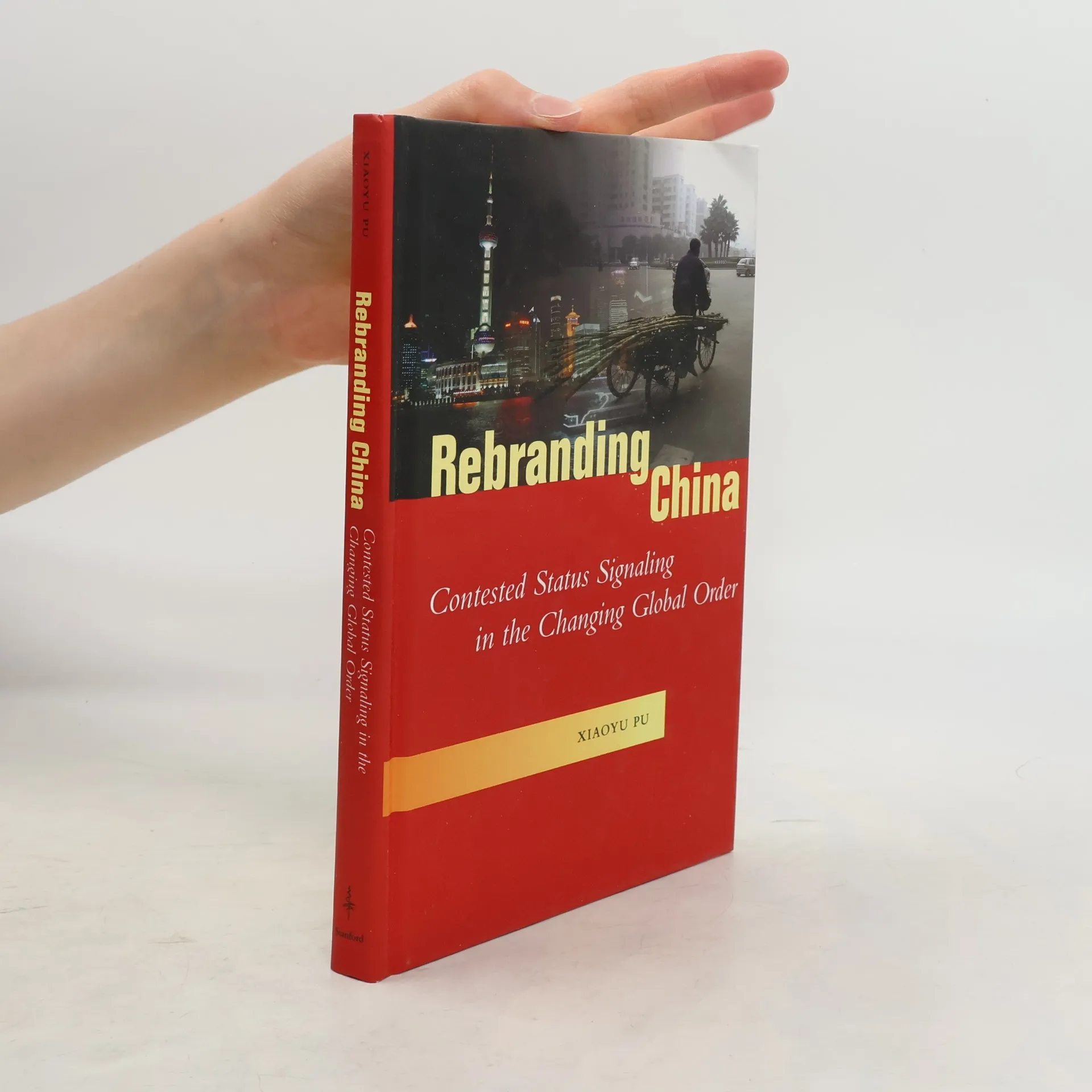
China is intensely conscious of its status, both at home and abroad. This concern is often interpreted as an undivided desire for higher standing as a global leader. yet, at times, China positions itself not as a nascent global power but as a fragile developing country. Contradictory posturing makes decoding China's foreign policy a challenge, generating anxiety and uncertainty in many parts of the world. Using the metaphor of rebranding to understand China's varying displays of status, the author analyzes a rising China's challenges and dilemmas on the global stage. This book demystifies how the state represents its global position by analyzing recent military transformations, regional diplomacy, and international financial negotiations. Drawing on a sweeping body of research, including original Chinese sources, and interdisciplinary ideas from sociology, psychology, and international relations, this book puts forward an innovative framework for interpreting China's foreign policy
Zakup książki
Rebranding China, Xiaoyu Pu
- Język

- Rok wydania
- 2019
- Oprawa
- (twarda)
Metody płatności
Nikt jeszcze nie ocenił.
- Tytuł
- Rebranding China
- Podtytuł
- Contested Status Signaling in the Changing Global Order
- Język
- angielski
- Autorzy
- Xiaoyu Pu
- Wydawca
- Studies in Asian Security
- Rok wydania
- 2019
- Oprawa
- twarda
- Liczba stron
- 176
- ISBN10
- 150360683X
- ISBN13
- 9781503606838
- Seria
- Opis
- China is intensely conscious of its status, both at home and abroad. This concern is often interpreted as an undivided desire for higher standing as a global leader. yet, at times, China positions itself not as a nascent global power but as a fragile developing country. Contradictory posturing makes decoding China's foreign policy a challenge, generating anxiety and uncertainty in many parts of the world. Using the metaphor of rebranding to understand China's varying displays of status, the author analyzes a rising China's challenges and dilemmas on the global stage. This book demystifies how the state represents its global position by analyzing recent military transformations, regional diplomacy, and international financial negotiations. Drawing on a sweeping body of research, including original Chinese sources, and interdisciplinary ideas from sociology, psychology, and international relations, this book puts forward an innovative framework for interpreting China's foreign policy