

Więcej o książce
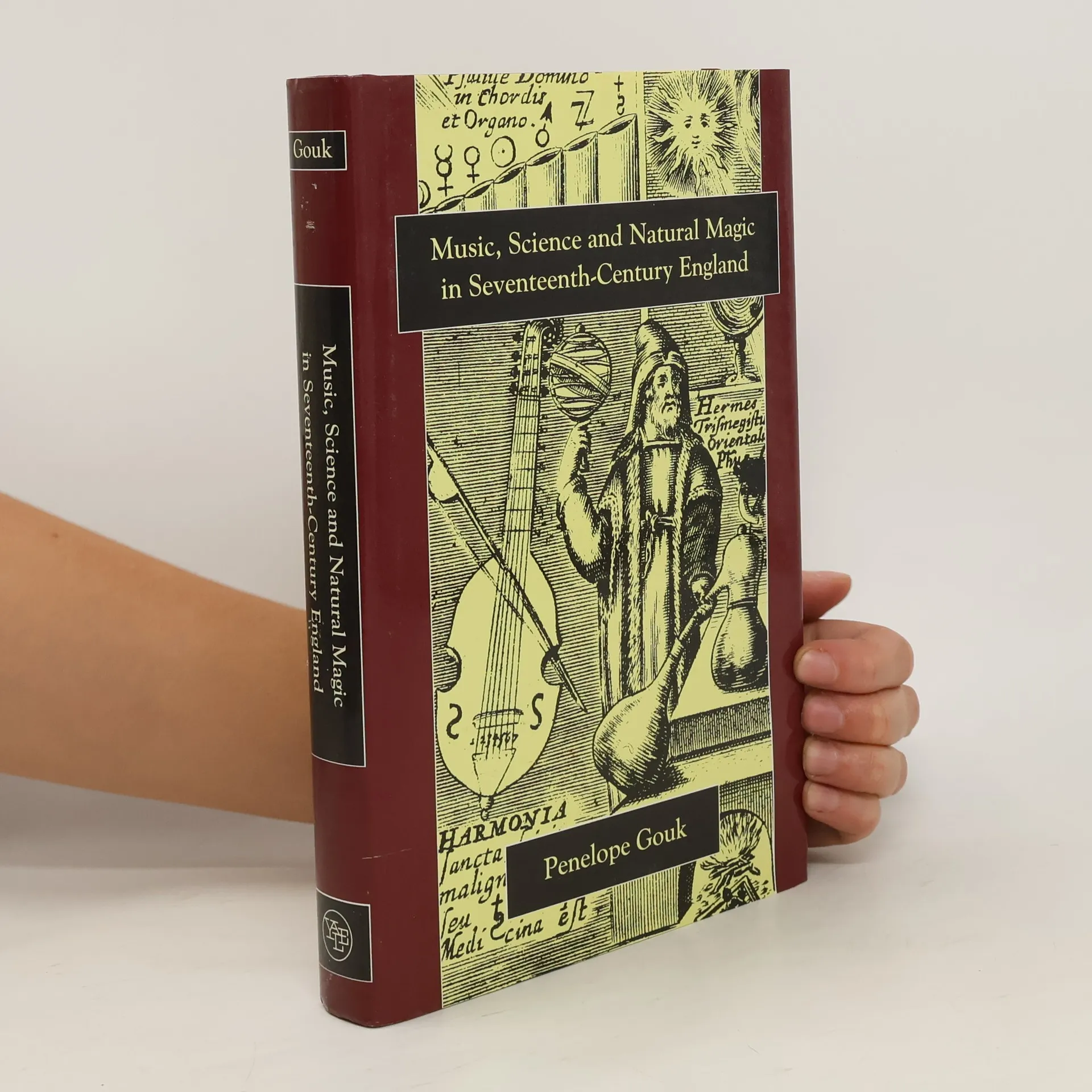
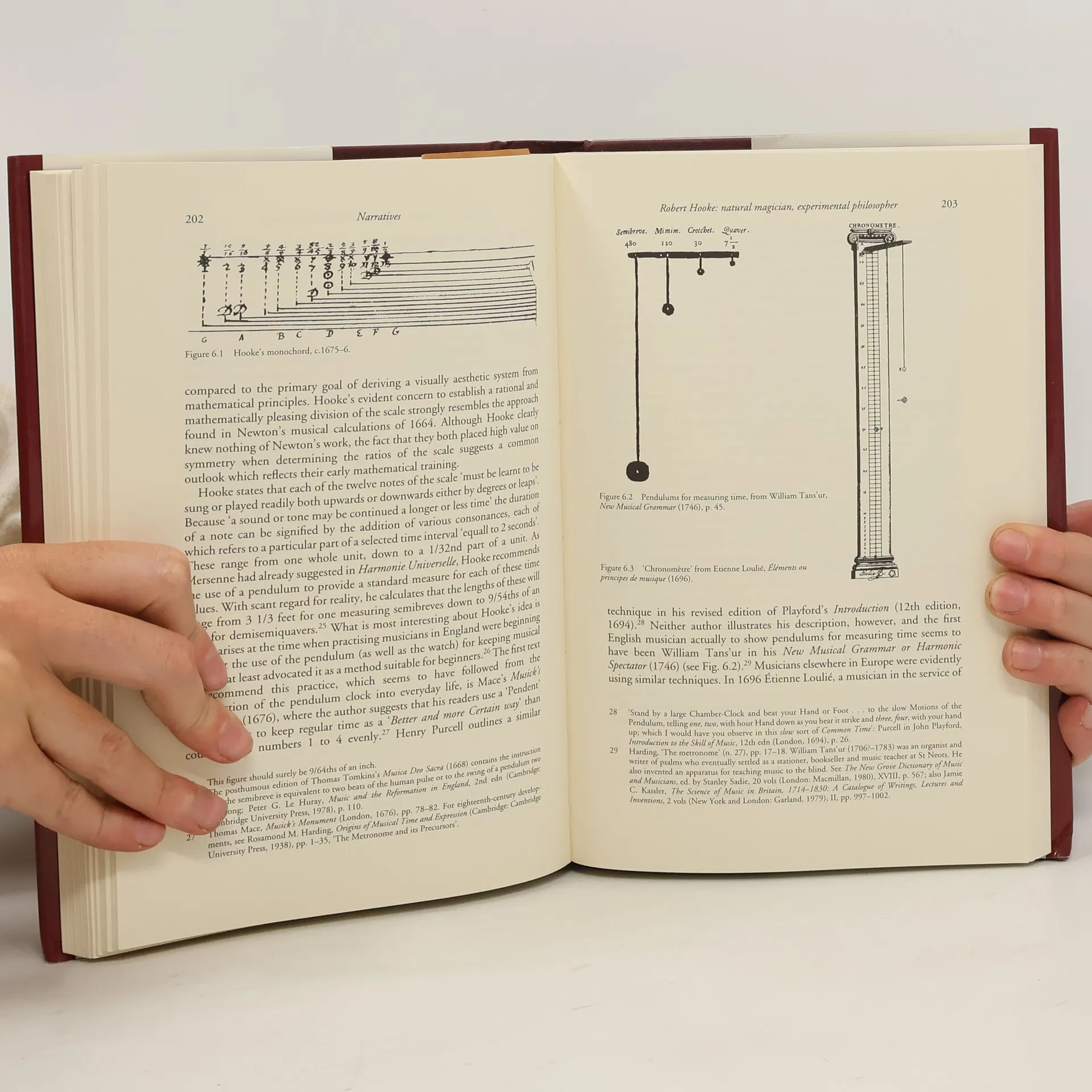
The role of natural magic in the rise of seventeenth-century experimental science has been the subject of lively controversy for several decades. Now Penelope Gouk introduces a new element into the debate: how music mediated between these two domains. Arguing that changing musical practice in sixteenth-century Europe affected seventeenth-century English thought on science and magic, she maps the various relationships among these apparently separate disciplines.Gouk explores these relationships in several ways. She adopts the methods of social geography to discuss the disciplinary, social, and intellectual overlapping of music, science, and natural magic. She gives a historical account of the emergence of acoustics in English science, the harmonically based physics of Robert Hooke, and the position of harmonics within Newton's transformation of natural philosophy. And she provides a gallery of images in which contemporary representations of instruments, practices, and concepts demonstrate the way in which,musical models informed and transformed those of natural philosophy. Gouk shows that as the "occult" features of music became subject to the new science of experimentation, and as their causes became evident, so natural magic was pushed outside the realms of scientific discourse.
Zakup książki
Music, Science, and Natural Magic in Seventeenth-century England, Penelope Gouk
- Język

- Rok wydania
- 1999
- Oprawa
- (twarda)
Metody płatności
Brakuje nam tutaj Twojej recenzji.
- Tytuł
- Music, Science, and Natural Magic in Seventeenth-century England
- Język
- angielski
- Autorzy
- Penelope Gouk
- Rok wydania
- 1999
- Oprawa
- twarda
- Liczba stron
- 308
- ISBN10
- 0300073836
- ISBN13
- 9780300073836
- Seria
- Ocena
- 4,5 z 5
- Opis
- The role of natural magic in the rise of seventeenth-century experimental science has been the subject of lively controversy for several decades. Now Penelope Gouk introduces a new element into the debate: how music mediated between these two domains. Arguing that changing musical practice in sixteenth-century Europe affected seventeenth-century English thought on science and magic, she maps the various relationships among these apparently separate disciplines.Gouk explores these relationships in several ways. She adopts the methods of social geography to discuss the disciplinary, social, and intellectual overlapping of music, science, and natural magic. She gives a historical account of the emergence of acoustics in English science, the harmonically based physics of Robert Hooke, and the position of harmonics within Newton's transformation of natural philosophy. And she provides a gallery of images in which contemporary representations of instruments, practices, and concepts demonstrate the way in which,musical models informed and transformed those of natural philosophy. Gouk shows that as the "occult" features of music became subject to the new science of experimentation, and as their causes became evident, so natural magic was pushed outside the realms of scientific discourse.