



Więcej o książce
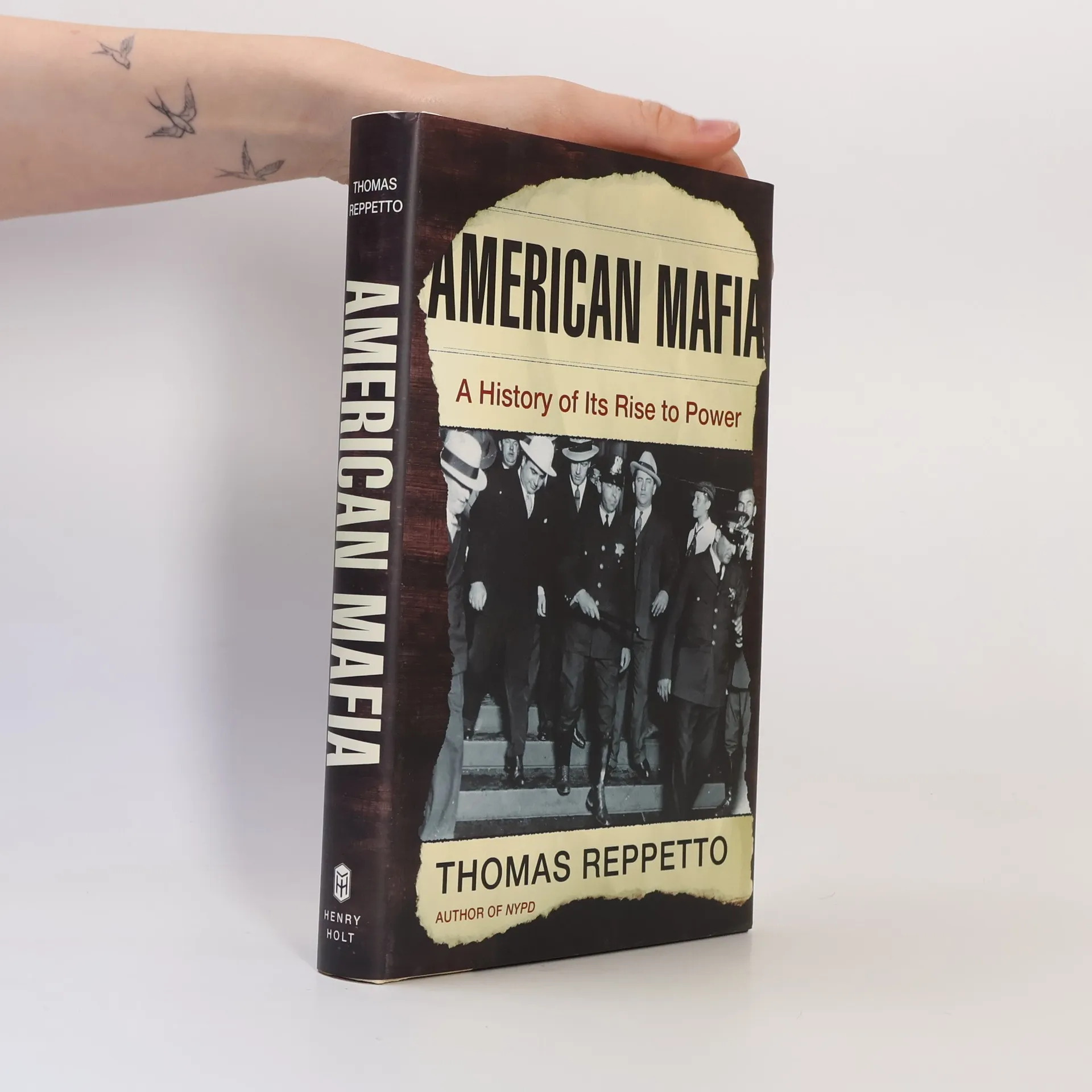
Organized crime -- the Italian-American variety -- has long been a staple of popular entertainment. Now, Thomas Reppetto, coauthor of the highly praised NYPD, president of the New York City Citizens Crime Commission, and a former commander of detectives in Chicago, unravels a history of the Mafia's rise that separates fact from legend. Reppetto's vivid narrative describes how crime families from a variety of ethnic backgrounds were shaped by conditions in big cities in the late nineteenth century. Spurred by prohibition, which exploded opportunities for organized crime, men like Chicago's John Torrio and New York's Lucky Luciano built their organizations along corporate lines, parceling out territories and adopting rules for the arbitration of disputes. Good management and a tight organizational structure enabled Italian gangs to continue operations even when leaders were jailed or rubbed out.
Zakup książki
American Mafia, Thomas Reppetto
- Język

- Rok wydania
- 2004
- Oprawa
- (twarda)
Metody płatności
Brakuje nam tutaj Twojej recenzji.
- Tytuł
- American Mafia
- Podtytuł
- A History of Its Rise to Power
- Język
- angielski
- Autorzy
- Thomas Reppetto
- Wydawca
- Henry Holt
- Rok wydania
- 2004
- Oprawa
- twarda
- Liczba stron
- 416
- ISBN10
- 0805072101
- ISBN13
- 9780805072105
- Seria
- Tagi
- Tematy historyczne, Mafia
- Ocena
- 3,5 z 5
- Opis
- Organized crime -- the Italian-American variety -- has long been a staple of popular entertainment. Now, Thomas Reppetto, coauthor of the highly praised NYPD, president of the New York City Citizens Crime Commission, and a former commander of detectives in Chicago, unravels a history of the Mafia's rise that separates fact from legend. Reppetto's vivid narrative describes how crime families from a variety of ethnic backgrounds were shaped by conditions in big cities in the late nineteenth century. Spurred by prohibition, which exploded opportunities for organized crime, men like Chicago's John Torrio and New York's Lucky Luciano built their organizations along corporate lines, parceling out territories and adopting rules for the arbitration of disputes. Good management and a tight organizational structure enabled Italian gangs to continue operations even when leaders were jailed or rubbed out.