


Więcej o książce
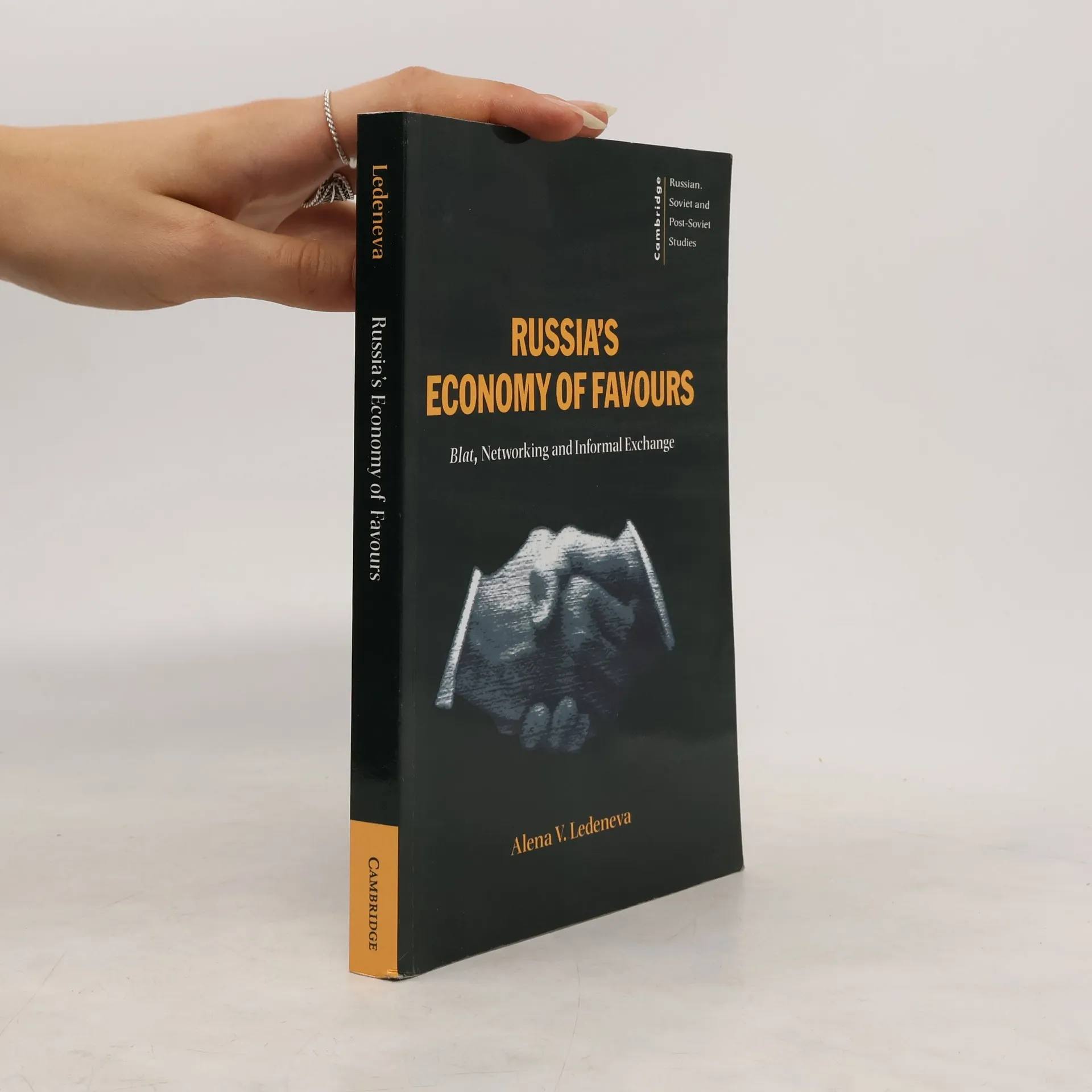
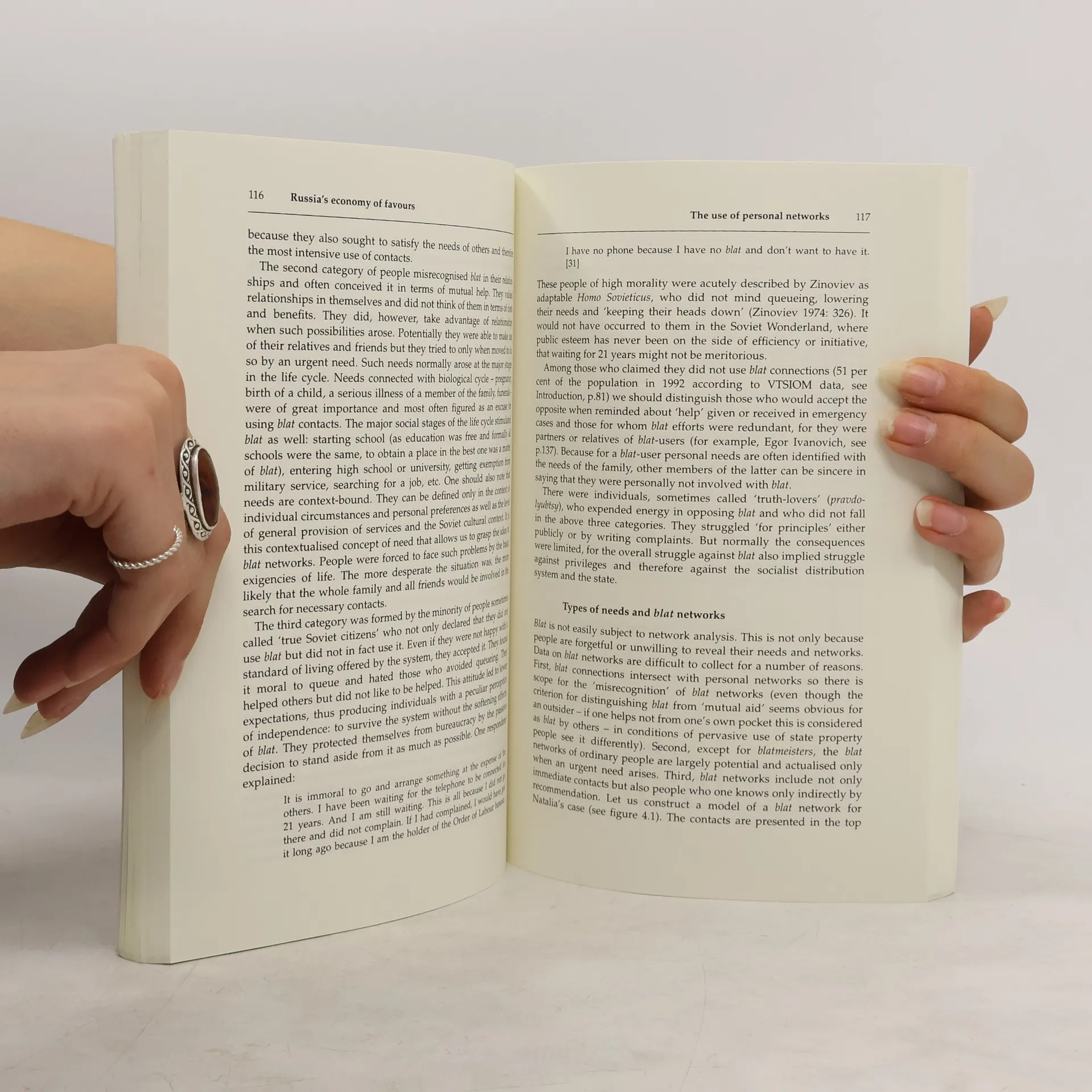
The word blat refers to the system of informal contacts and personal networks which was used to obtain goods and services under the rationing which characterised Soviet Russia. Alena Ledeneva's book is the first to analyse blat in all its historical, socio-economic and cultural aspects, and to explore its implications for post-Soviet society. In a socialist distribution system which resulted in constant shortages, blat developed into an 'economy of favours' which shadowed an overcontrolling centre and represented the reaction of ordinary people to the social constraints they faced. In social and economic terms, blat exchanges became vital to the population, and to the functioning of the Soviet system. The book shows that the nature of the economic and political changes in contemporary Russia cannot be properly understood without attention to the powerful legacy of the blat economy.
Zakup książki
Russia's Economy of Favours, Alena V. Ledeneva
- Język

- Rok wydania
- 1998
- Oprawa
- (miękka)
Metody płatności
Brakuje nam tutaj Twojej recenzji.
- Tytuł
- Russia's Economy of Favours
- Podtytuł
- Blat, Networking and Informal Exchange
- Język
- angielski
- Autorzy
- Alena V. Ledeneva
- Wydawca
- Cambridge University Press
- Rok wydania
- 1998
- Oprawa
- miękka
- Liczba stron
- 154
- ISBN10
- 0521627435
- ISBN13
- 9780521627436
- Seria
- Tagi
- Biznes
- Ocena
- 3,5 z 5
- Opis
- The word blat refers to the system of informal contacts and personal networks which was used to obtain goods and services under the rationing which characterised Soviet Russia. Alena Ledeneva's book is the first to analyse blat in all its historical, socio-economic and cultural aspects, and to explore its implications for post-Soviet society. In a socialist distribution system which resulted in constant shortages, blat developed into an 'economy of favours' which shadowed an overcontrolling centre and represented the reaction of ordinary people to the social constraints they faced. In social and economic terms, blat exchanges became vital to the population, and to the functioning of the Soviet system. The book shows that the nature of the economic and political changes in contemporary Russia cannot be properly understood without attention to the powerful legacy of the blat economy.