



Parametry
Więcej o książce
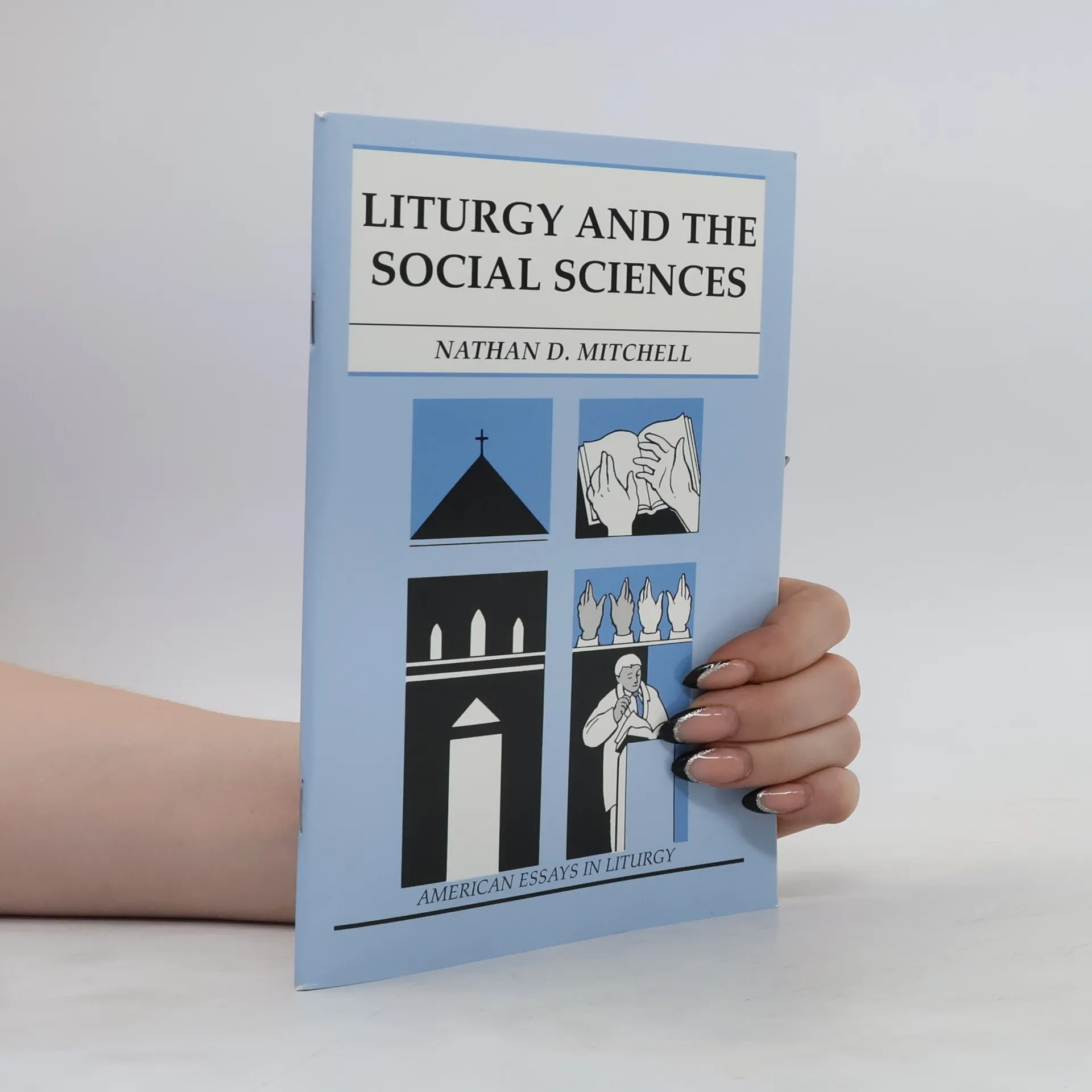
"Is ritual a "forgotten way of doing things'?" That is the question posed famously by Romano Guardini in a letter written in 1964 to liturgists meeting in the German city of Mainz. Guardini believed that the future of liturgical renewal lay not in "improved texts," nor in the recovery of some mythic "golden age," nor in the "rearrangement of furniture," but in relearning ritual behavior. Christian ritual, Guardini believed, is not the contemplative act of an individual but the public deed of an assembly -- a community gathered in faith and prayer in obedience to Jesus' command. Can people and presiders today relearn this communal way of "doing"? Can they learn to "read" ritual acts simply by doing them, by performing them -- without being self-conscious, theatrical, and fussy? Over the past thirty-five years, Christian liturgists have sought to reinterpret ritual's multiple meanings by transplanting insights from the social sciences (sociology, anthropology). Have the transplants worked? This book tries to answer that question.
Zakup książki
Liturgy and the Social Sciences, Nathan S. Mitchell
- Język

- Rok wydania
- 1999
- Oprawa
- (zeszytowa)
Metody płatności
Brakuje nam tutaj Twojej recenzji.
- Tytuł
- Liturgy and the Social Sciences
- Język
- angielski
- Autorzy
- Nathan S. Mitchell
- Wydawca
- Liturgical Press
- Rok wydania
- 1999
- Oprawa
- zeszytowa
- ISBN10
- 0814625118
- ISBN13
- 9780814625118
- Seria
- Tagi
- Ocena
- 3,5 z 5
- Opis
- "Is ritual a "forgotten way of doing things'?" That is the question posed famously by Romano Guardini in a letter written in 1964 to liturgists meeting in the German city of Mainz. Guardini believed that the future of liturgical renewal lay not in "improved texts," nor in the recovery of some mythic "golden age," nor in the "rearrangement of furniture," but in relearning ritual behavior. Christian ritual, Guardini believed, is not the contemplative act of an individual but the public deed of an assembly -- a community gathered in faith and prayer in obedience to Jesus' command. Can people and presiders today relearn this communal way of "doing"? Can they learn to "read" ritual acts simply by doing them, by performing them -- without being self-conscious, theatrical, and fussy? Over the past thirty-five years, Christian liturgists have sought to reinterpret ritual's multiple meanings by transplanting insights from the social sciences (sociology, anthropology). Have the transplants worked? This book tries to answer that question.