

Więcej o książce
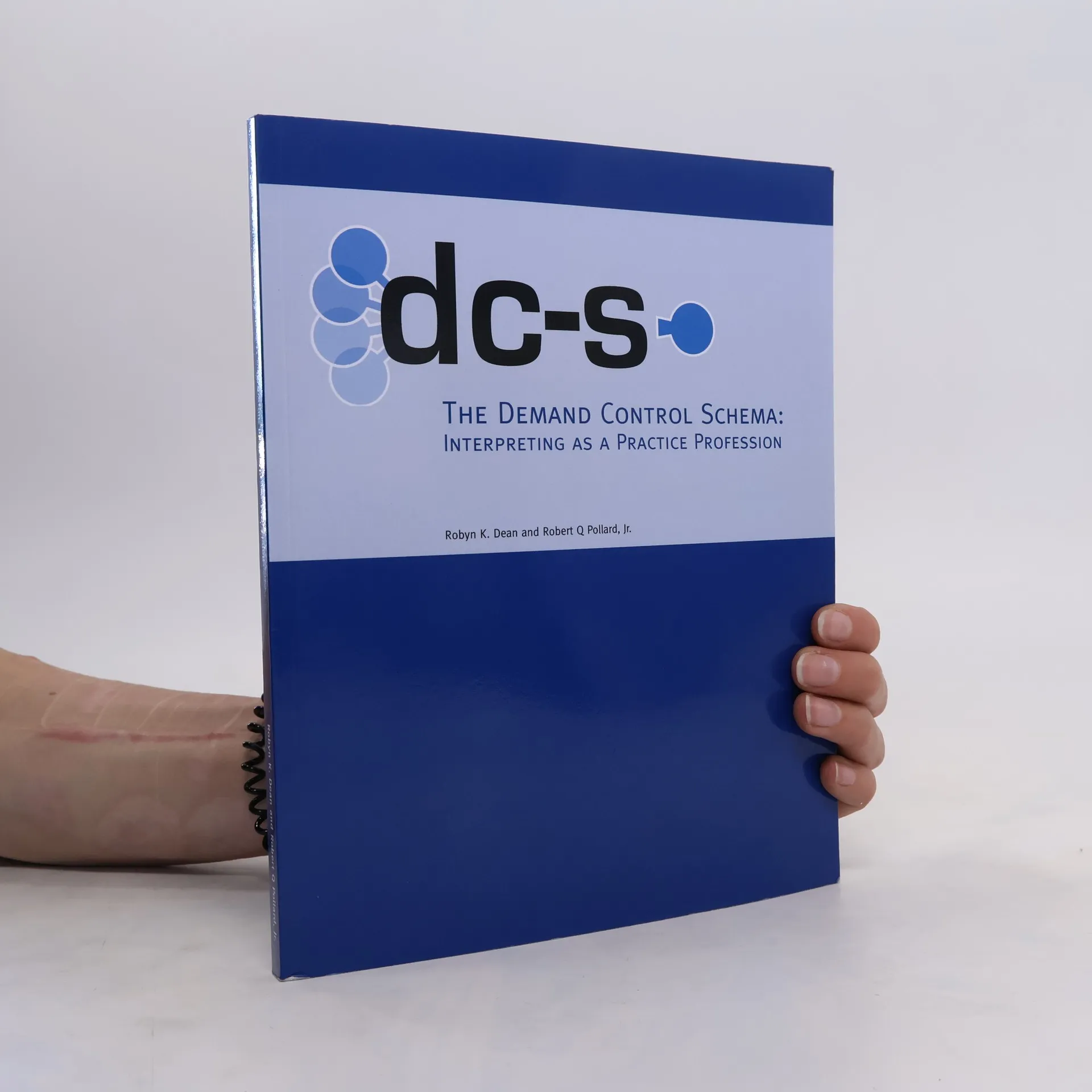
"The authors have been developing the demand control schema (DC-S) and their practice-profession approach to community interpreting since 1995. With its early roots pertaining to occupational health in the interpreting field, DC-S has evolved into a holistic work analysis framework which guides interpreters in their development of ethical and effective decision-making skills. Adapted from Robert Karasek's demand control theory, this textbook is the culmination of nearly two decades of work, as it evolved over the course of 22 articles and book chapters and nine DC-S research and training grants. Designed primarily for classroom use in interpreter education programs (IEPs), interpreting supervisors, mentors, and practitioners also will find this book highly rewarding. IEPs could readily use this text in introductory courses, ethics courses, and in practicum seminars
Zakup książki
The Demand Control Schema, Robyn K. Dean, Robert Q. Pollard
- Język

- Rok wydania
- 2013
- Oprawa
- (miękka)
Metody płatności
Brakuje nam tutaj Twojej recenzji.
- Tytuł
- The Demand Control Schema
- Podtytuł
- Interpreting as a Practice Profession
- Język
- angielski
- Autorzy
- Robyn K. Dean, Robert Q. Pollard
- Rok wydania
- 2013
- Oprawa
- miękka
- Liczba stron
- 170
- ISBN10
- 148950219X
- ISBN13
- 9781489502193
- Seria
- Kategorie
- Ocena
- 4,2 z 5
- Opis
- "The authors have been developing the demand control schema (DC-S) and their practice-profession approach to community interpreting since 1995. With its early roots pertaining to occupational health in the interpreting field, DC-S has evolved into a holistic work analysis framework which guides interpreters in their development of ethical and effective decision-making skills. Adapted from Robert Karasek's demand control theory, this textbook is the culmination of nearly two decades of work, as it evolved over the course of 22 articles and book chapters and nine DC-S research and training grants. Designed primarily for classroom use in interpreter education programs (IEPs), interpreting supervisors, mentors, and practitioners also will find this book highly rewarding. IEPs could readily use this text in introductory courses, ethics courses, and in practicum seminars