

Więcej o książce
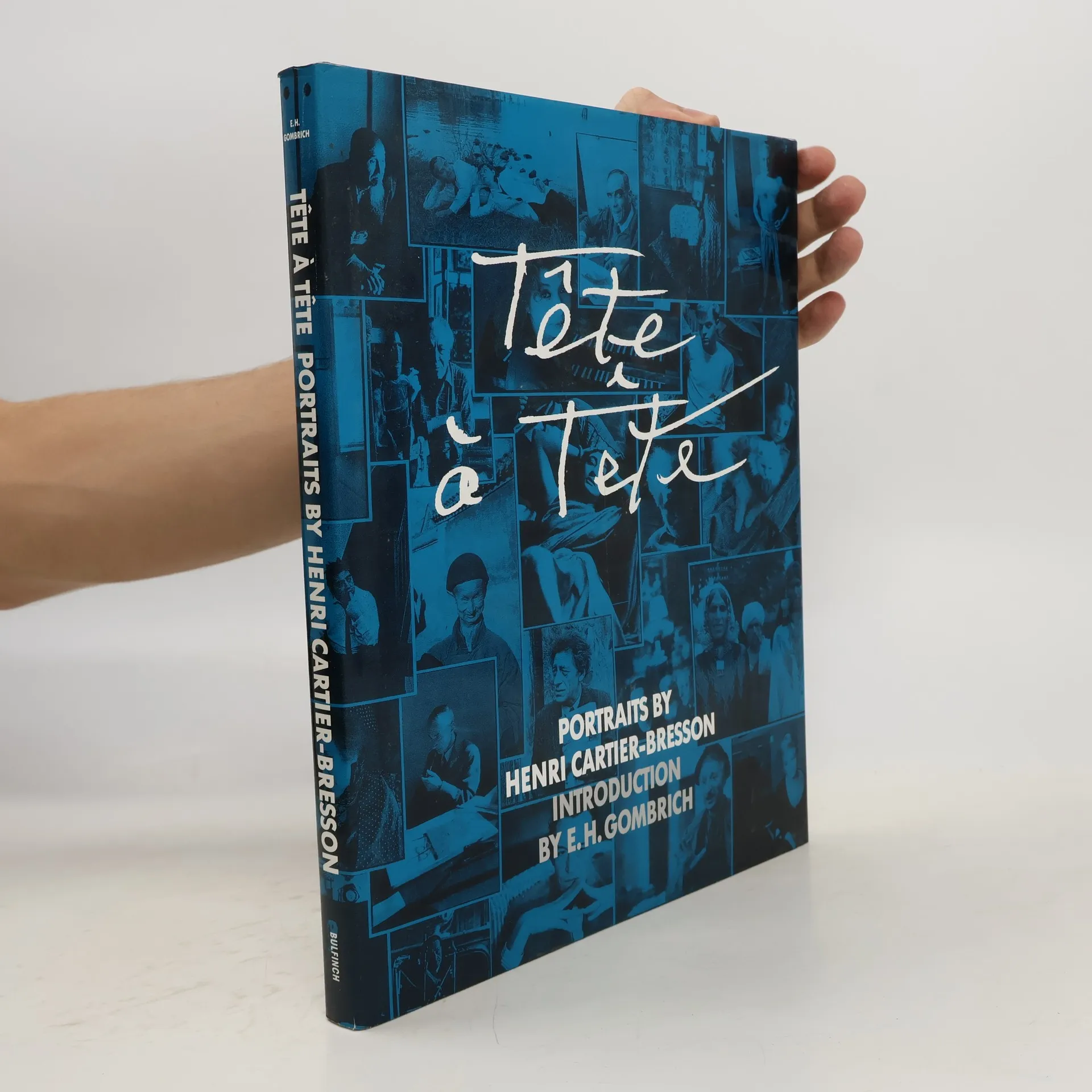
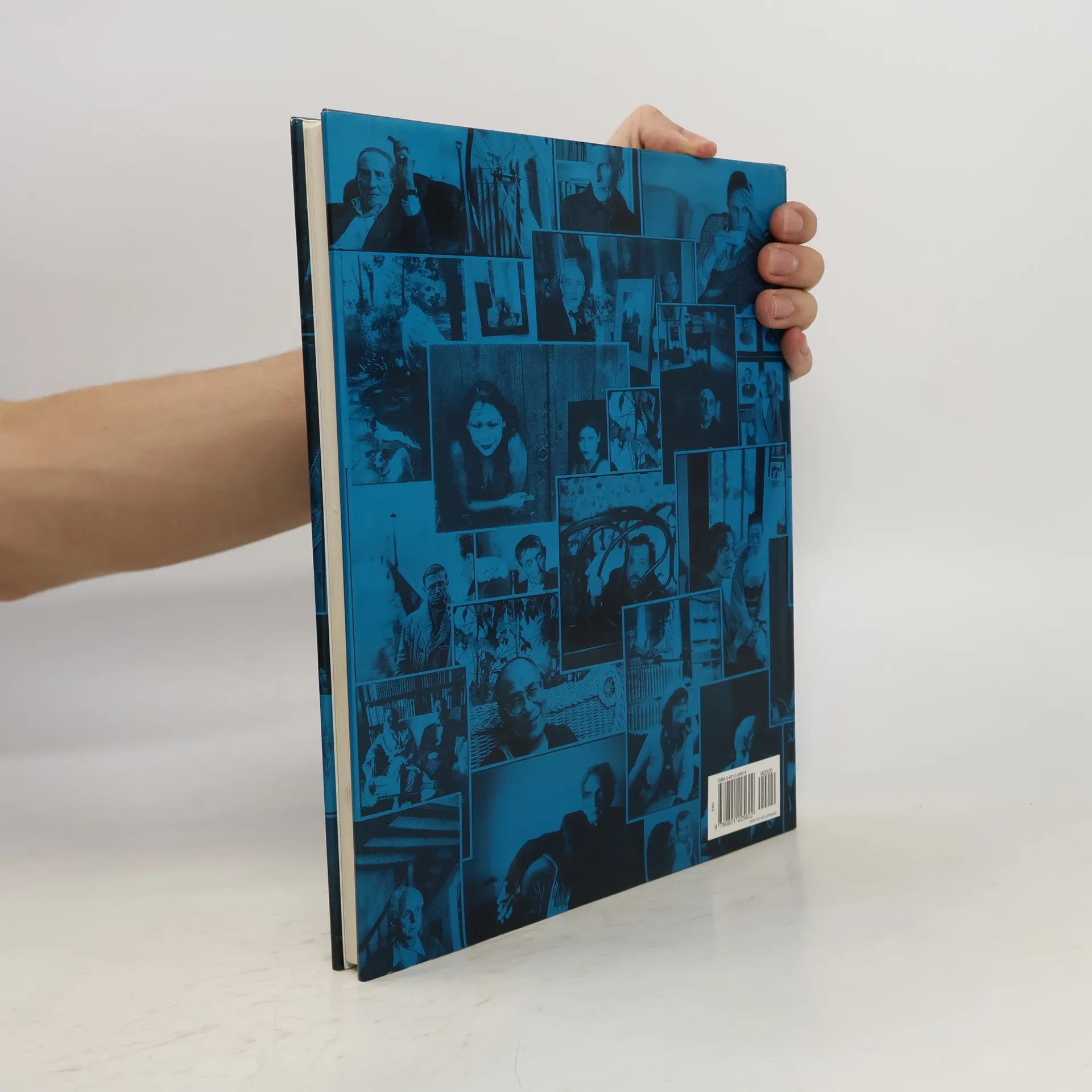
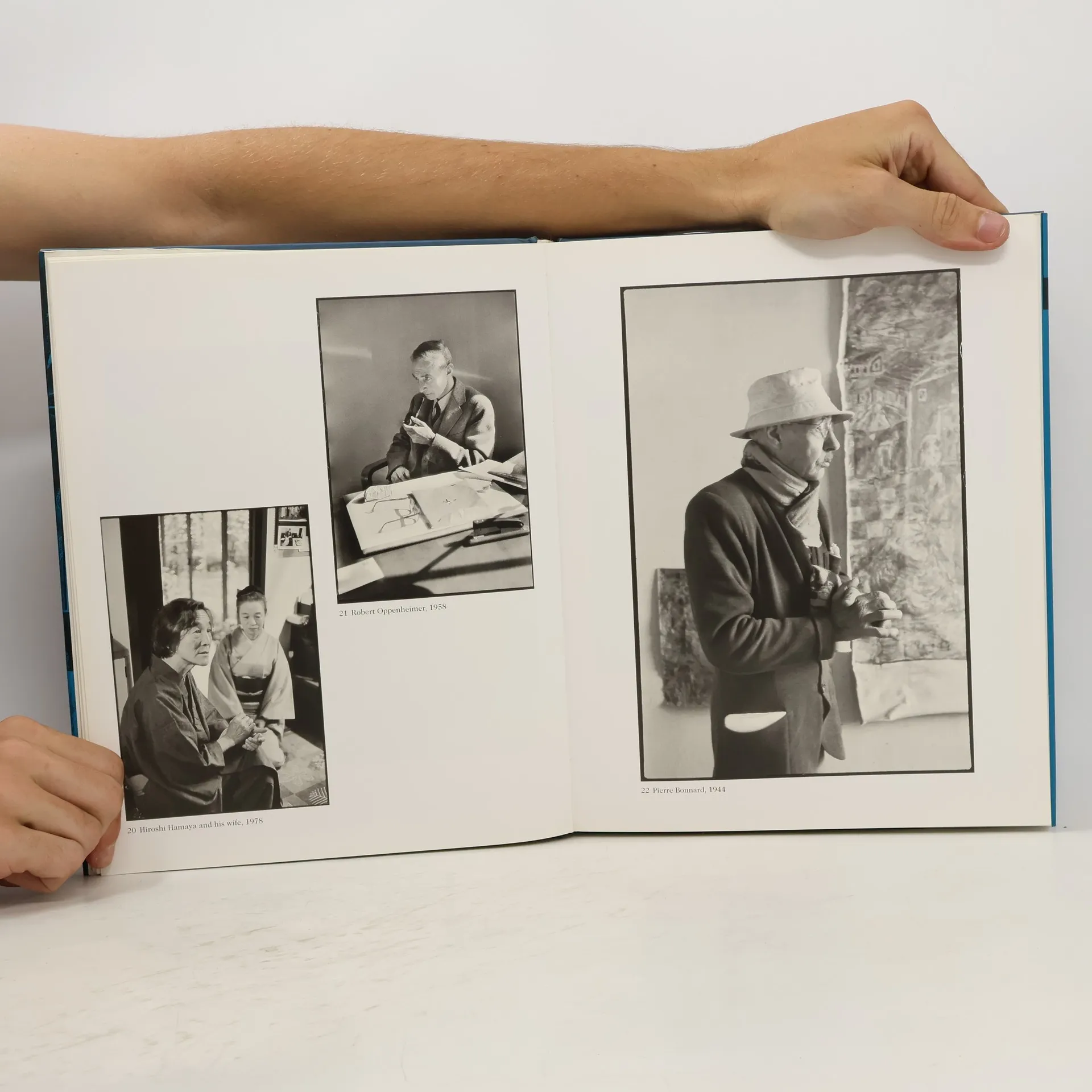
Over the last half century Henri Cartier-Bresson has photographed some of the most famous icons of the twentieth century, those few people among millions whose images pass into history. Tete a Tete is a remarkable arrangement of his most memorable portraits, including Pablo Picasso, Truman Capote, Marilyn Monroe, Lucien Freud, William Faulkner, Robert Kennedy, Che Guevara, Martin Luther King Jr., Coco Chanel, and the Dalai Lama. Beyond these famous names there are also anonymous portraits, chosen for their striking and unusual features, and a selection of pencil drawings, including a self-portrait. Cartier-Bresson supervised the design of the book and the juxtaposition of all the photographs. The result is a distinguished collection of his work, diverse in its range of extraordinary and ordinary personalities from the 1930s to the 1990s. Tete a Tete reveals Cartier-Bresson as a photographer who is as skillful in recording the subtleties of the individual portrait as he is renowned for his masterful ability to capture the decisive moment.
Zakup książki
Tête À Tète, Henri Cartier-Bresson, Ernst Hans Gombrich
- Język

- Rok wydania
- 1998
- Oprawa
- (twarda)
Metody płatności
Brakuje nam tutaj Twojej recenzji.
- Tytuł
- Tête À Tète
- Podtytuł
- Portraits
- Język
- angielski
- Wydawca
- Bulfinch Press
- Rok wydania
- 1998
- Oprawa
- twarda
- Liczba stron
- 144
- ISBN10
- 0821225626
- ISBN13
- 9780821225622
- Seria
- Ocena
- 4,25 z 5
- Opis
- Over the last half century Henri Cartier-Bresson has photographed some of the most famous icons of the twentieth century, those few people among millions whose images pass into history. Tete a Tete is a remarkable arrangement of his most memorable portraits, including Pablo Picasso, Truman Capote, Marilyn Monroe, Lucien Freud, William Faulkner, Robert Kennedy, Che Guevara, Martin Luther King Jr., Coco Chanel, and the Dalai Lama. Beyond these famous names there are also anonymous portraits, chosen for their striking and unusual features, and a selection of pencil drawings, including a self-portrait. Cartier-Bresson supervised the design of the book and the juxtaposition of all the photographs. The result is a distinguished collection of his work, diverse in its range of extraordinary and ordinary personalities from the 1930s to the 1990s. Tete a Tete reveals Cartier-Bresson as a photographer who is as skillful in recording the subtleties of the individual portrait as he is renowned for his masterful ability to capture the decisive moment.