

Więcej o książce
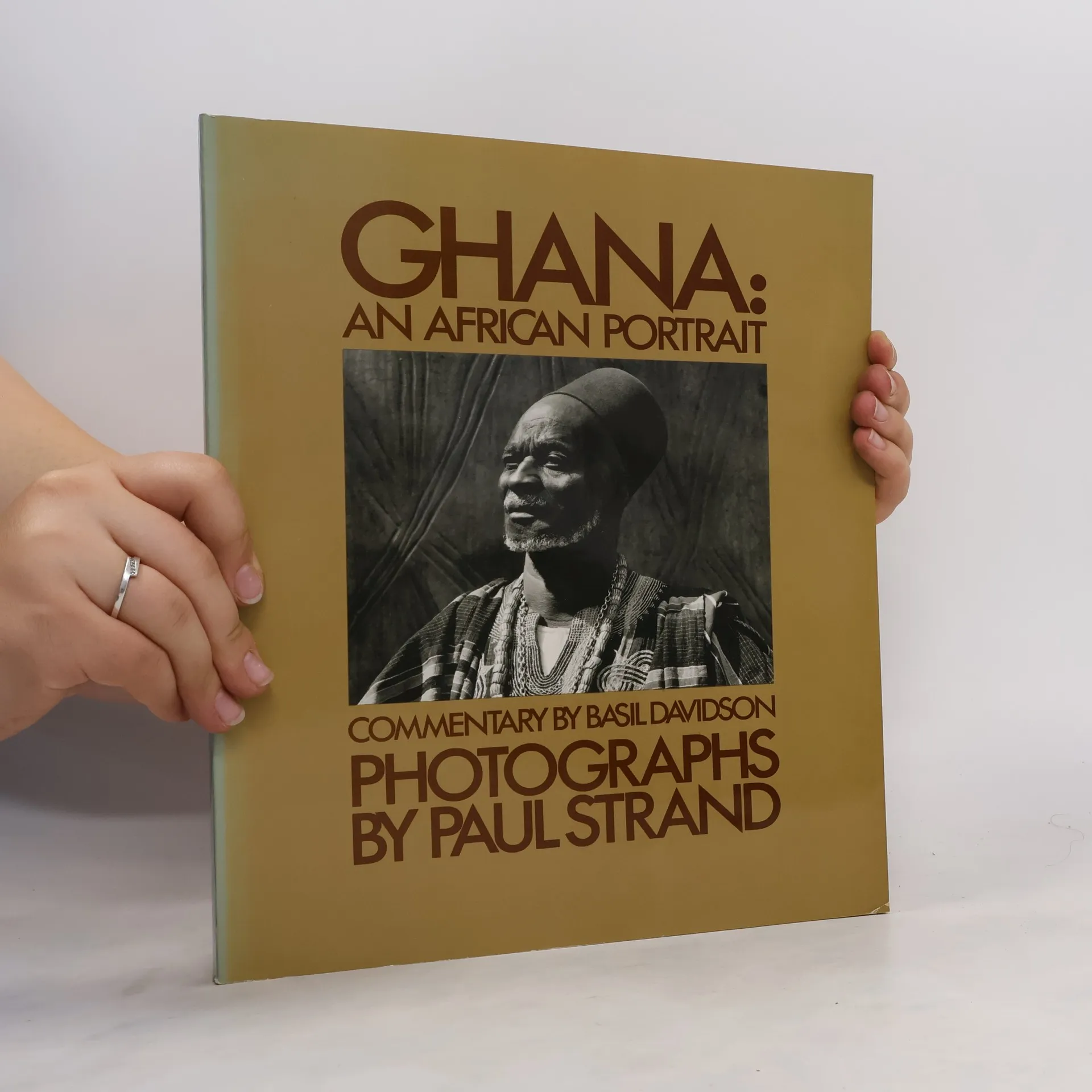
Paul Strand's photographs illuminate our world. They form a portrait of Ghana, a paradigm of African nations, the 'model colony' and the first to gain independence. Seeing with intuition the underlying unity of a continent, and feeling with humanism the underlying character of its peoples, Paul Strand photographed Ghana to show us Africa, to celebrate nations 'rejoining their history' after the impositions of colonization. Ghana's art is here - her past, and her people and their politics. Author Basil Davidson, whose books portray Africa admirably, has written an essay 'to deepen Strand's portrait without repeating it.' Davidson introduces us to Nkrumah's country, to its 2,000 year past and its two present decades. Davidson's knowledge is wide, his tone rational, his pace measured. Violence and upheaval gain a clarifying perspective. An ideal accompaniment for Strand's photographs - which have a stillness, a concentration, with a distillation of a place and not just a taste of it - Davidson's text takes us through the events that made the place, sorting them out meticulously. He shows how colonization happened, what it meant, and what Africa faces in its wake.
Zakup książki
Ghana, Basil Davidson
- Język

- Rok wydania
- 1976
- Oprawa
- (miękka)
Metody płatności
Brakuje nam tutaj Twojej recenzji.
- Tytuł
- Ghana
- Podtytuł
- An African Portrait
- Język
- angielski
- Autorzy
- Basil Davidson
- Wydawca
- Aperture
- Rok wydania
- 1976
- Oprawa
- miękka
- Liczba stron
- 159
- ISBN10
- 0912334657
- ISBN13
- 9780912334653
- Seria
- Kategorie
- Ocena
- 4 z 5
- Opis
- Paul Strand's photographs illuminate our world. They form a portrait of Ghana, a paradigm of African nations, the 'model colony' and the first to gain independence. Seeing with intuition the underlying unity of a continent, and feeling with humanism the underlying character of its peoples, Paul Strand photographed Ghana to show us Africa, to celebrate nations 'rejoining their history' after the impositions of colonization. Ghana's art is here - her past, and her people and their politics. Author Basil Davidson, whose books portray Africa admirably, has written an essay 'to deepen Strand's portrait without repeating it.' Davidson introduces us to Nkrumah's country, to its 2,000 year past and its two present decades. Davidson's knowledge is wide, his tone rational, his pace measured. Violence and upheaval gain a clarifying perspective. An ideal accompaniment for Strand's photographs - which have a stillness, a concentration, with a distillation of a place and not just a taste of it - Davidson's text takes us through the events that made the place, sorting them out meticulously. He shows how colonization happened, what it meant, and what Africa faces in its wake.