

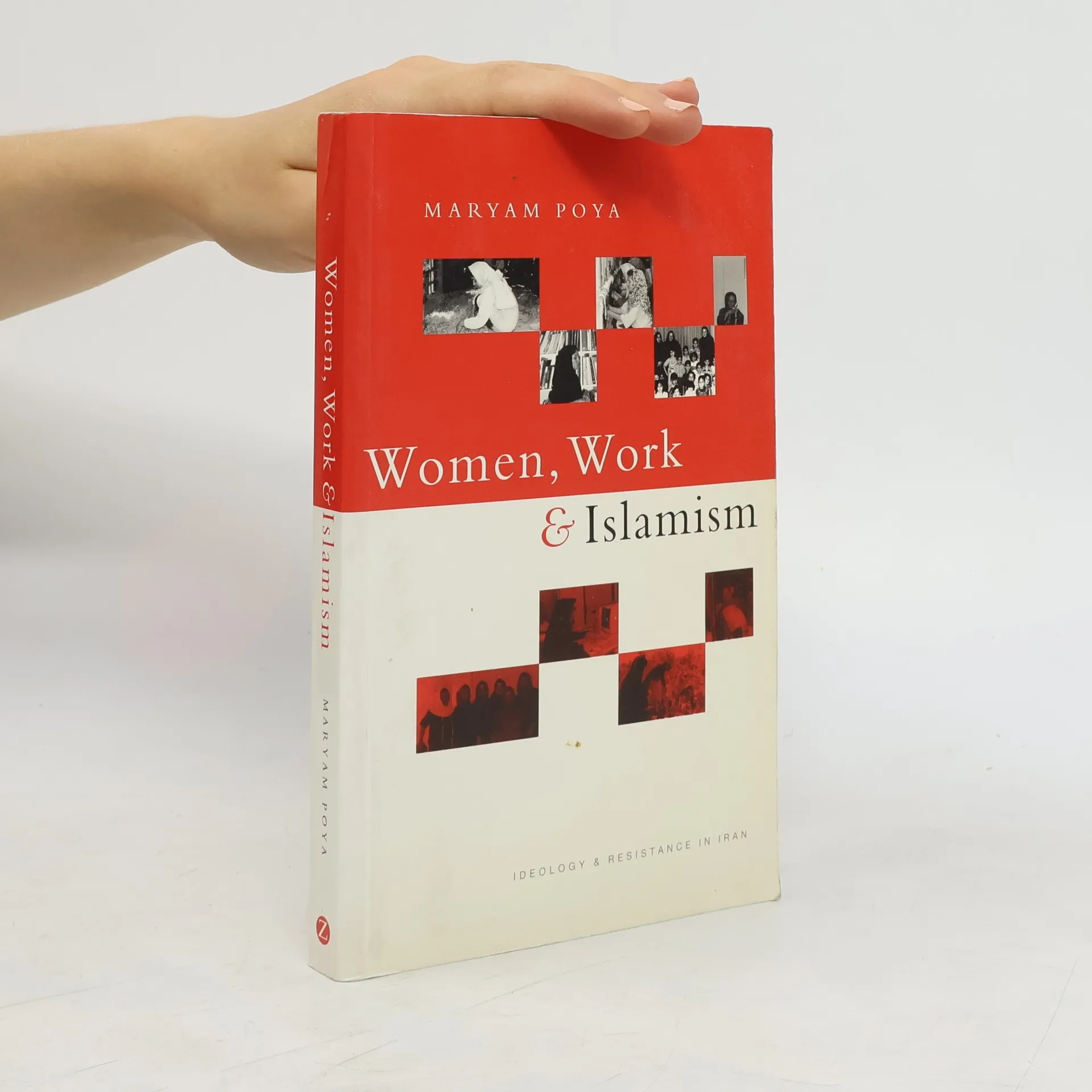
Więcej o książce
Based on original research into women's participation in the workforce, this book is the most up-to-date study of women in Iran available. The Islamisation of state and society which followed the 1979 revolution involved an attempt by the Islamic state to seclude women within the home. However, the power of the state was constrained by many factors - the Iran-Iraq war, economic restructuring - and women's own responses to oppression. In spite of continual attempts by the state to strengthen patriarchal relationships, women's participation in the labour force in 1999 is greater than it was before the revolution. Women's participation in both the economy and in political movements has led to a much greater level of gender consciousness in the 1990s than at the height of westernisation in the 1960s and 70s. Religious and secular women in urban areas have demanded reforms and forced the Islamic state to return to the position of the pre 1979 reforms. Providing a history of Iran, an introduction to Islamism and an analysis of the women and Islam debate, this book will be necessary reading for students and academics of Middle East studies, women's studies and labour studies.
Zakup książki
Women, Work and Islamism, Maryam Poya
- Język

- Rok wydania
- 1999
- Oprawa
- (miękka)
Metody płatności
Brakuje nam tutaj Twojej recenzji.
- Tytuł
- Women, Work and Islamism
- Podtytuł
- Ideology and Resistance in Iran
- Język
- angielski
- Autorzy
- Maryam Poya
- Wydawca
- Zed Books
- Rok wydania
- 1999
- Oprawa
- miękka
- Liczba stron
- 212
- ISBN10
- 1856496821
- ISBN13
- 9781856496827
- Seria
- Kategorie
- Tagi
- Feminizm
- Ocena
- 4,5 z 5
- Opis
- Based on original research into women's participation in the workforce, this book is the most up-to-date study of women in Iran available. The Islamisation of state and society which followed the 1979 revolution involved an attempt by the Islamic state to seclude women within the home. However, the power of the state was constrained by many factors - the Iran-Iraq war, economic restructuring - and women's own responses to oppression. In spite of continual attempts by the state to strengthen patriarchal relationships, women's participation in the labour force in 1999 is greater than it was before the revolution. Women's participation in both the economy and in political movements has led to a much greater level of gender consciousness in the 1990s than at the height of westernisation in the 1960s and 70s. Religious and secular women in urban areas have demanded reforms and forced the Islamic state to return to the position of the pre 1979 reforms. Providing a history of Iran, an introduction to Islamism and an analysis of the women and Islam debate, this book will be necessary reading for students and academics of Middle East studies, women's studies and labour studies.