


Więcej o książce
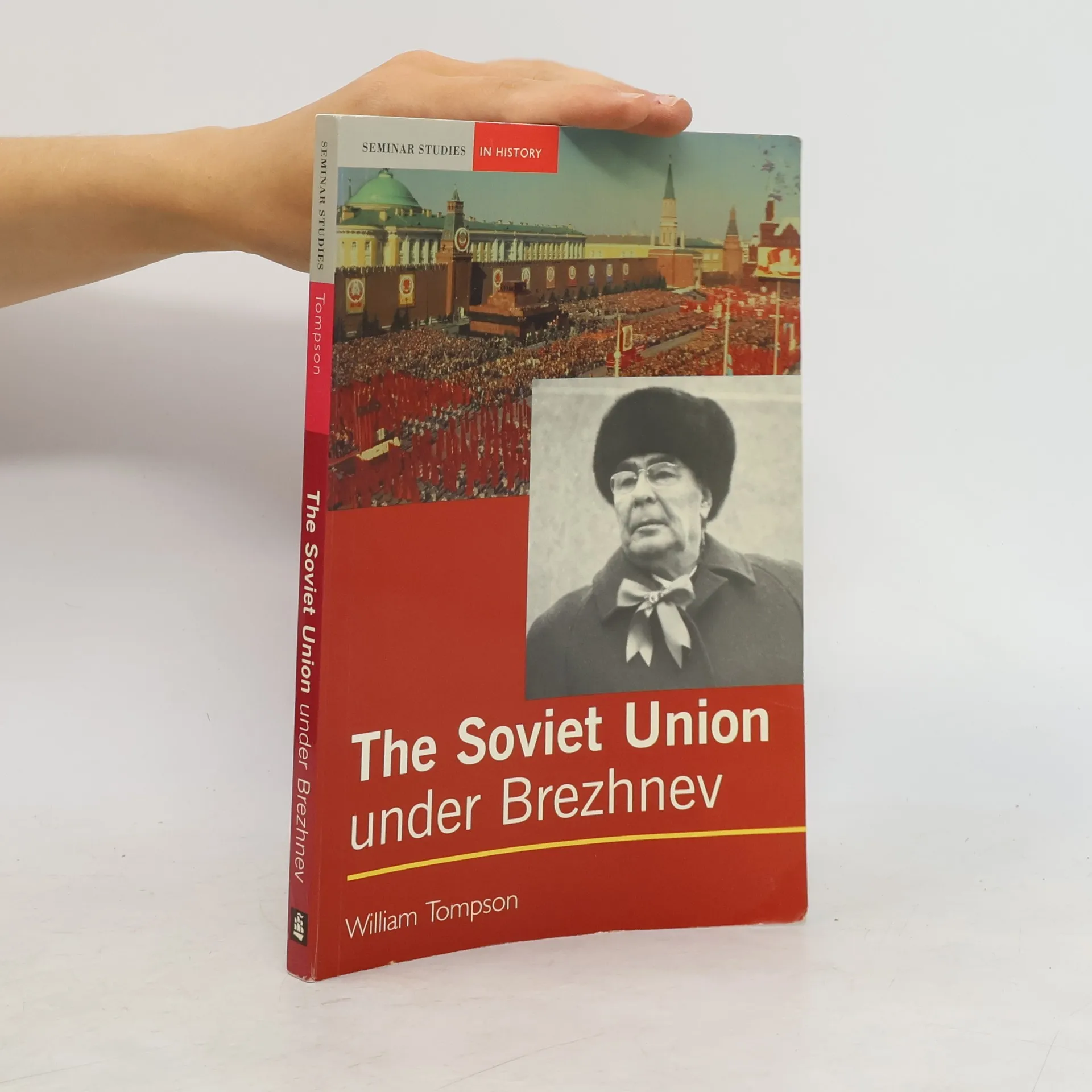
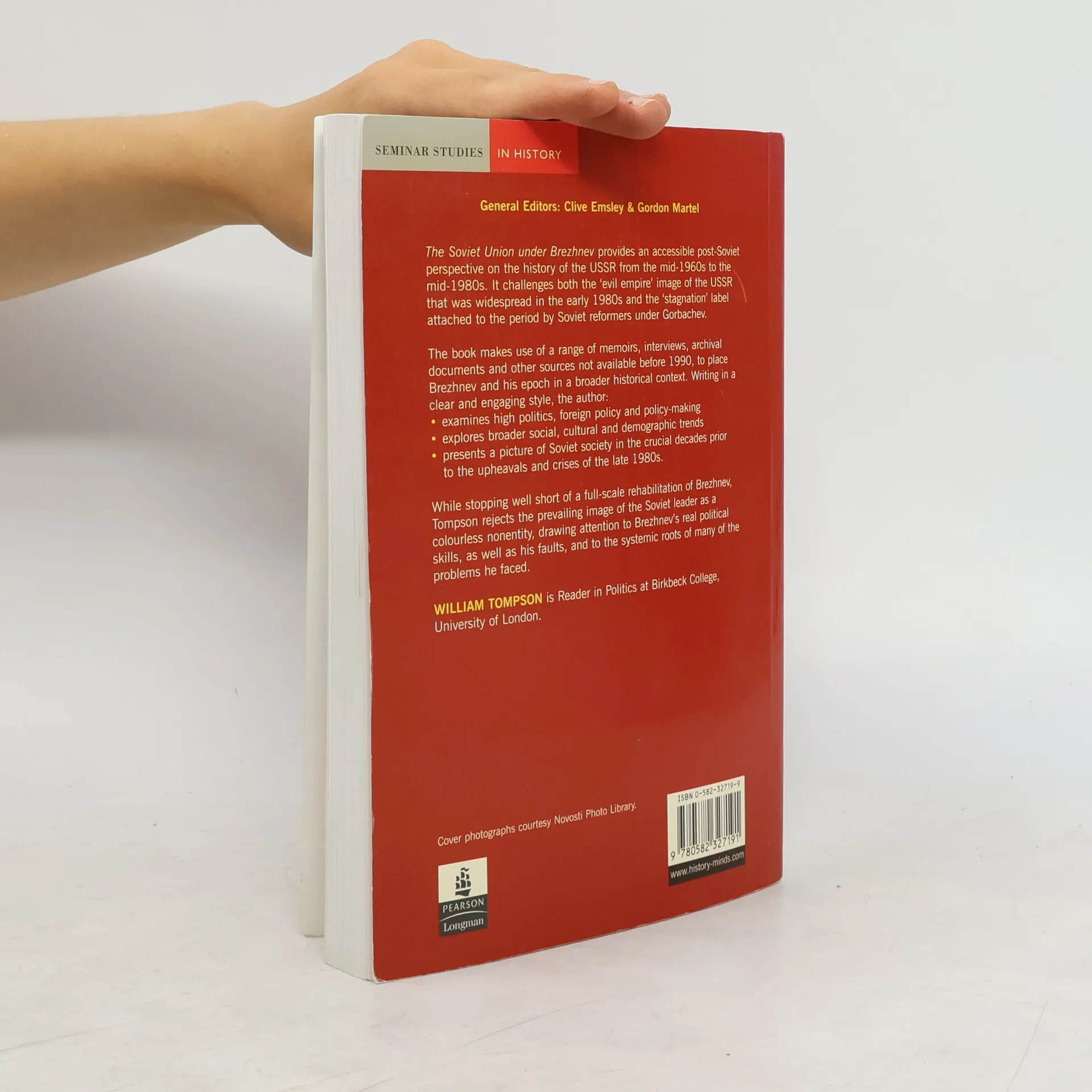
The Soviet Union Under Brezhnev provides an accessible post-Soviet perspective on the history of the USSR from the mid-1960’s to the mid-1980’s. It challenges both the ‘evil empire’ image of the USSR that was widespread in the early 1980’s and the ‘stagnation’ label attached to the period by Soviet reformers under Gorbachev. The book makes use of a range of memoirs, interviews, archival documents and other sources not available before 1990 to place Brezhnev and his epoch in a broader historical context. The examines high politics, foreign policy and policy makingexplores broader social, cultural and demographic trendspresents a picture of Soviet society in the crucial decades prior to the upheavals and crises of the late 1980’s While stopping well short of a full-scale rehabilitation of Brezhnev, Tompson rejects the prevailing image of the Soviet leader as a colourless non-entity, drawing attention to Brezhnev’s real political skills, as well as his faults, and to the systemic roots of many of the problems he faced.
Zakup książki
The Soviet Union Under Brezhnev, William J. Tompson
- Język

- Rok wydania
- 2003
- Oprawa
- (miękka)
Metody płatności
Brakuje nam tutaj Twojej recenzji.
- Tytuł
- The Soviet Union Under Brezhnev
- Język
- angielski
- Autorzy
- William J. Tompson
- Wydawca
- Pearson Longman
- Rok wydania
- 2003
- Oprawa
- miękka
- Liczba stron
- 144
- ISBN10
- 0582327199
- ISBN13
- 9780582327191
- Seria
- Ocena
- 3,45 z 5
- Opis
- The Soviet Union Under Brezhnev provides an accessible post-Soviet perspective on the history of the USSR from the mid-1960’s to the mid-1980’s. It challenges both the ‘evil empire’ image of the USSR that was widespread in the early 1980’s and the ‘stagnation’ label attached to the period by Soviet reformers under Gorbachev. The book makes use of a range of memoirs, interviews, archival documents and other sources not available before 1990 to place Brezhnev and his epoch in a broader historical context. The examines high politics, foreign policy and policy makingexplores broader social, cultural and demographic trendspresents a picture of Soviet society in the crucial decades prior to the upheavals and crises of the late 1980’s While stopping well short of a full-scale rehabilitation of Brezhnev, Tompson rejects the prevailing image of the Soviet leader as a colourless non-entity, drawing attention to Brezhnev’s real political skills, as well as his faults, and to the systemic roots of many of the problems he faced.