

Więcej o książce
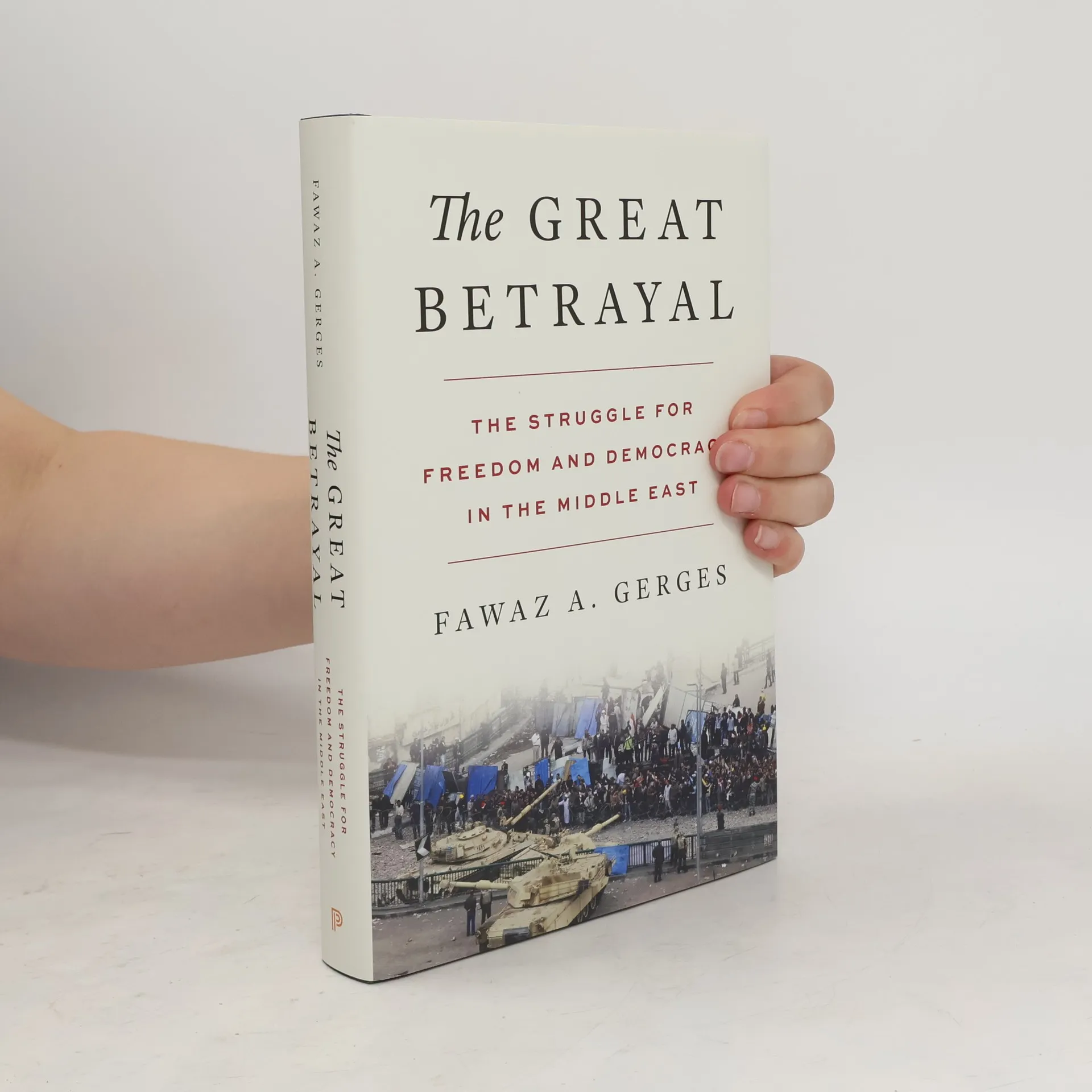
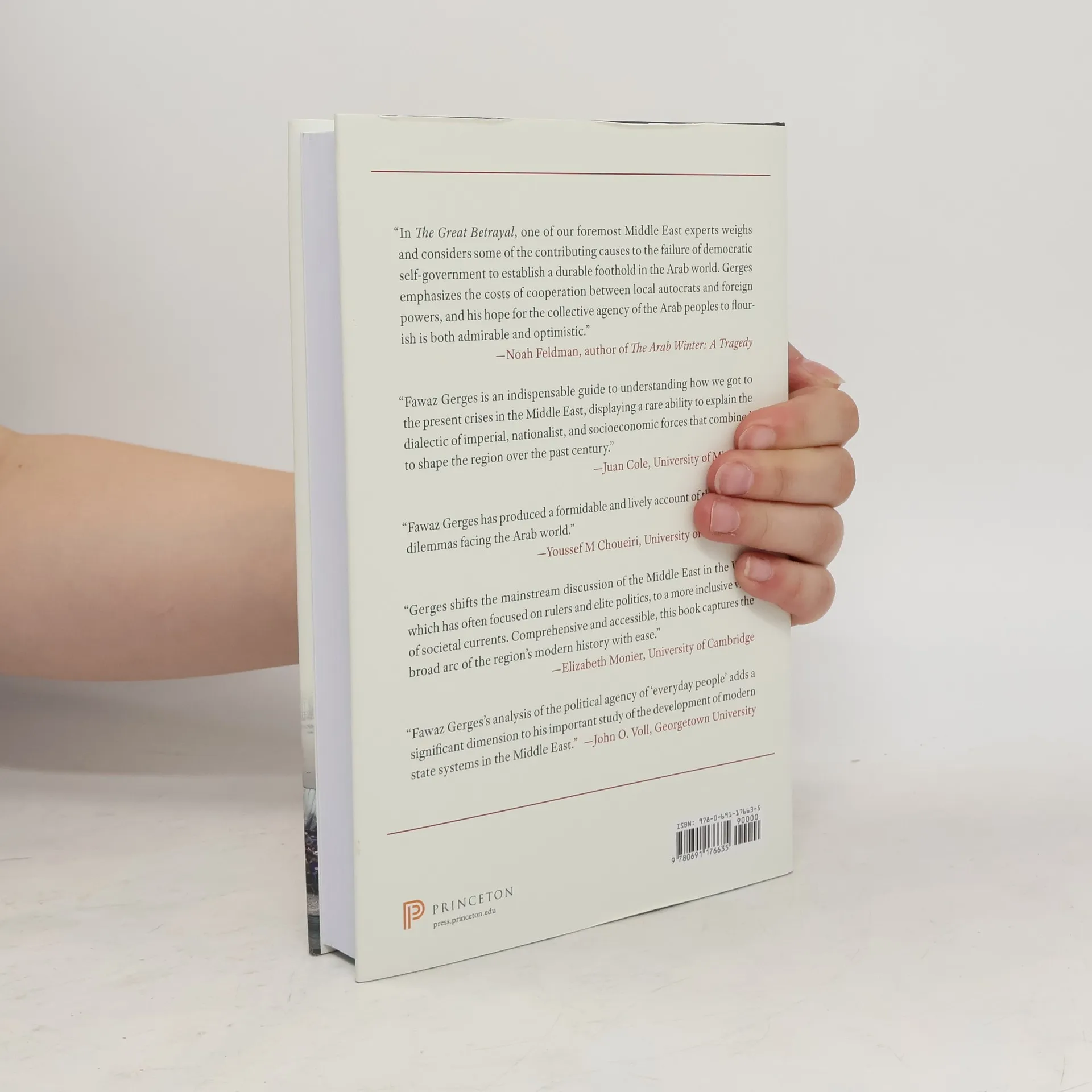
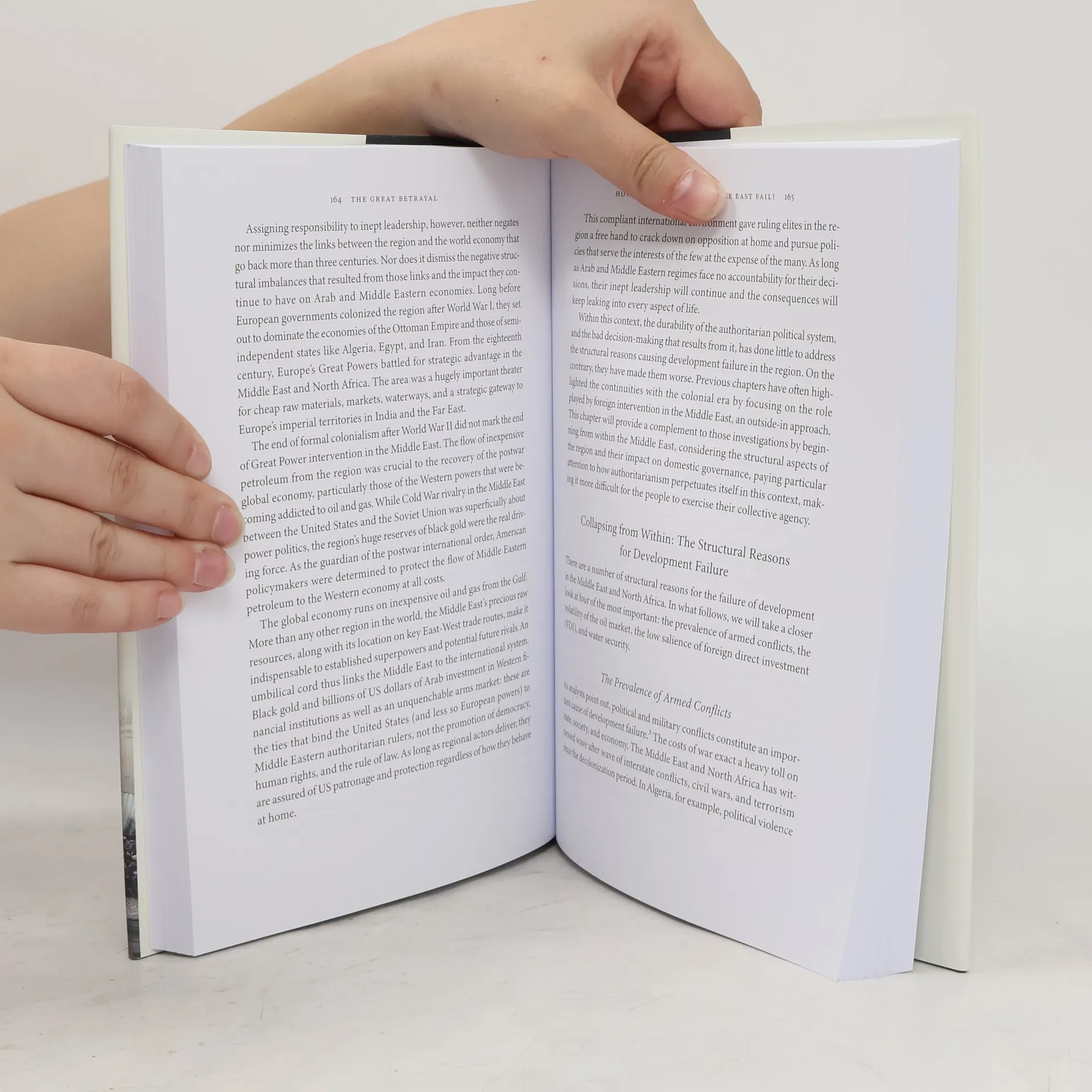
The Middle East is experiencing significant turmoil, characterized by a widening gap between state and society, ineffective governance, and severe economic mismanagement, exacerbated by Western interventions. Fawaz Gerges explores why political change has been elusive, attributing it to a combination of political authoritarianism, Western meddling, and the impact of ongoing regional conflicts, which have led to political paralysis and economic stagnation. The everyday agency of citizens has been suppressed by an authoritarian status quo supported by both internal and external forces. Gerges examines over a century of pivotal events, from the dissolution of the Ottoman Empire to the Iranian Revolution and the Arab Spring, highlighting how the people have been systematically denied self-determination and political representation. He argues that the region's diversity and complexity defy simplistic explanations, challenging previous narratives that attribute its issues to modernism or singular causes. Gerges emphasizes that the future of the Middle East will not be shaped by dictators and their superpower allies, but rather by a rising generation of Arab and Muslim youth who seek recognition as citizens rather than subjects.
Zakup książki
The Great Betrayal: The Struggle for Freedom and Democracy in the Middle East, Fawaz A. Gerges
- Język

- Rok wydania
- 2025
- Oprawa
- (twarda)
Metody płatności
Brakuje nam tutaj Twojej recenzji.
- Tytuł
- The Great Betrayal: The Struggle for Freedom and Democracy in the Middle East
- Język
- angielski
- Autorzy
- Fawaz A. Gerges
- Wydawca
- Princeton Univers. Press
- Rok wydania
- 2025
- Oprawa
- twarda
- Liczba stron
- 365
- ISBN13
- 9780691176635
- Seria
- Ocena
- 4,25 z 5
- Opis
- The Middle East is experiencing significant turmoil, characterized by a widening gap between state and society, ineffective governance, and severe economic mismanagement, exacerbated by Western interventions. Fawaz Gerges explores why political change has been elusive, attributing it to a combination of political authoritarianism, Western meddling, and the impact of ongoing regional conflicts, which have led to political paralysis and economic stagnation. The everyday agency of citizens has been suppressed by an authoritarian status quo supported by both internal and external forces. Gerges examines over a century of pivotal events, from the dissolution of the Ottoman Empire to the Iranian Revolution and the Arab Spring, highlighting how the people have been systematically denied self-determination and political representation. He argues that the region's diversity and complexity defy simplistic explanations, challenging previous narratives that attribute its issues to modernism or singular causes. Gerges emphasizes that the future of the Middle East will not be shaped by dictators and their superpower allies, but rather by a rising generation of Arab and Muslim youth who seek recognition as citizens rather than subjects.