

Więcej o książce
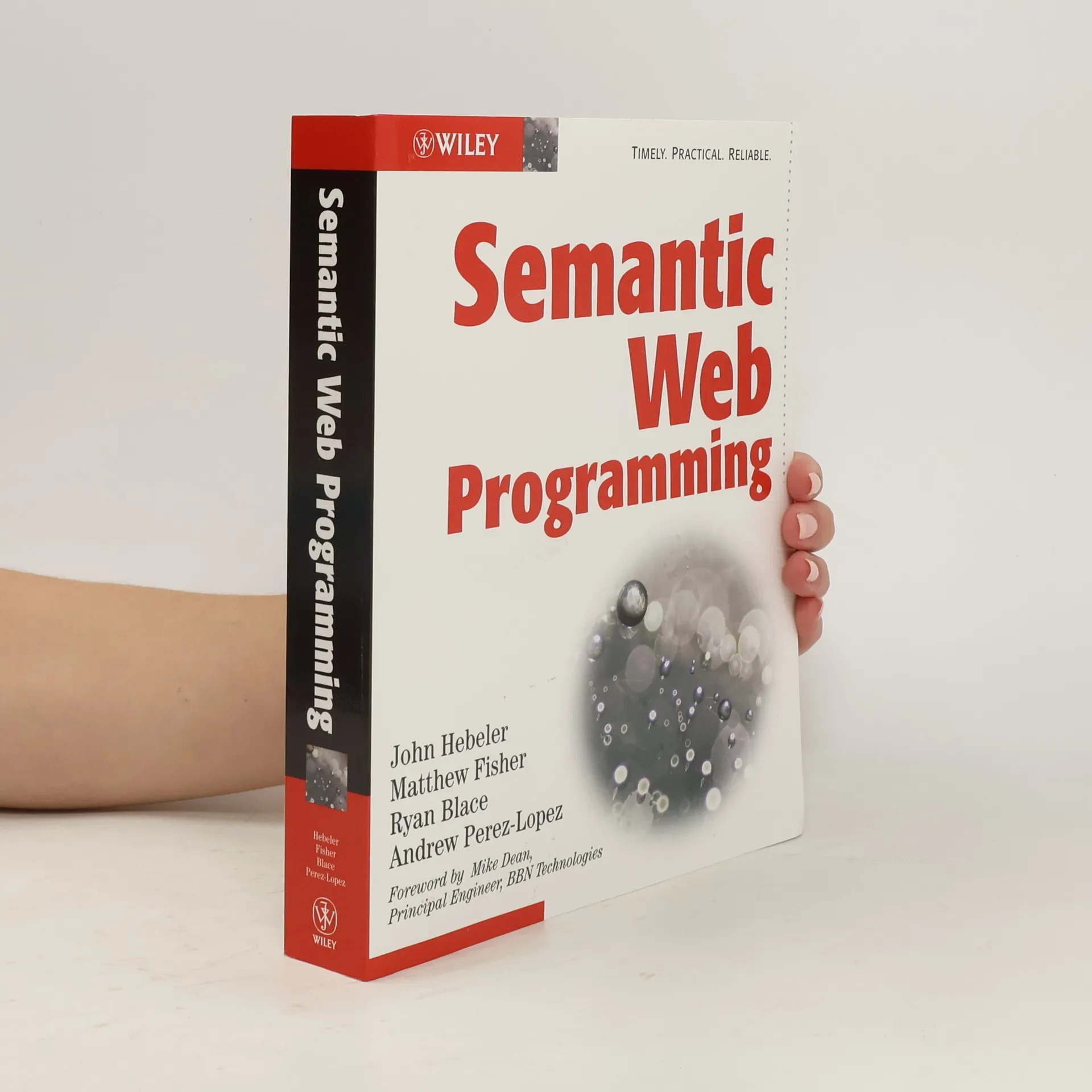
The next major advance in the Web-Web 3.0-will be built on semantic Web technologies, which will allow data to be shared and reused across application, enterprise, and community boundaries. Written by a team of highly experienced Web developers, this book explains examines how this powerful new technology can unify and fully leverage the ever-growing data, information, and services that are available on the Internet. Helpful examples demonstrate how to use the semantic Web to solve practical, real-world problems while you take a look at the set of design principles, collaborative working groups, and technologies that form the semantic Web. The companion Web site features full code, as well as a reference section, a FAQ section, a discussion forum, and a semantic blog.
Zakup książki
Semantic Web Programming, John Hebeler, Matthew C Fisher, Ryan Blace, Andrew Perez-Lopez
- Język

- Rok wydania
- 2009
- Oprawa
- (miękka)
Metody płatności
Brakuje nam tutaj Twojej recenzji.
- Tytuł
- Semantic Web Programming
- Język
- angielski
- Wydawca
- WILEY
- Rok wydania
- 2009
- Oprawa
- miękka
- Liczba stron
- 656
- ISBN10
- 047041801X
- ISBN13
- 9780470418017
- Seria
- Tagi
- Ocena
- 3,6 z 5
- Opis
- The next major advance in the Web-Web 3.0-will be built on semantic Web technologies, which will allow data to be shared and reused across application, enterprise, and community boundaries. Written by a team of highly experienced Web developers, this book explains examines how this powerful new technology can unify and fully leverage the ever-growing data, information, and services that are available on the Internet. Helpful examples demonstrate how to use the semantic Web to solve practical, real-world problems while you take a look at the set of design principles, collaborative working groups, and technologies that form the semantic Web. The companion Web site features full code, as well as a reference section, a FAQ section, a discussion forum, and a semantic blog.