

Parametry
Więcej o książce
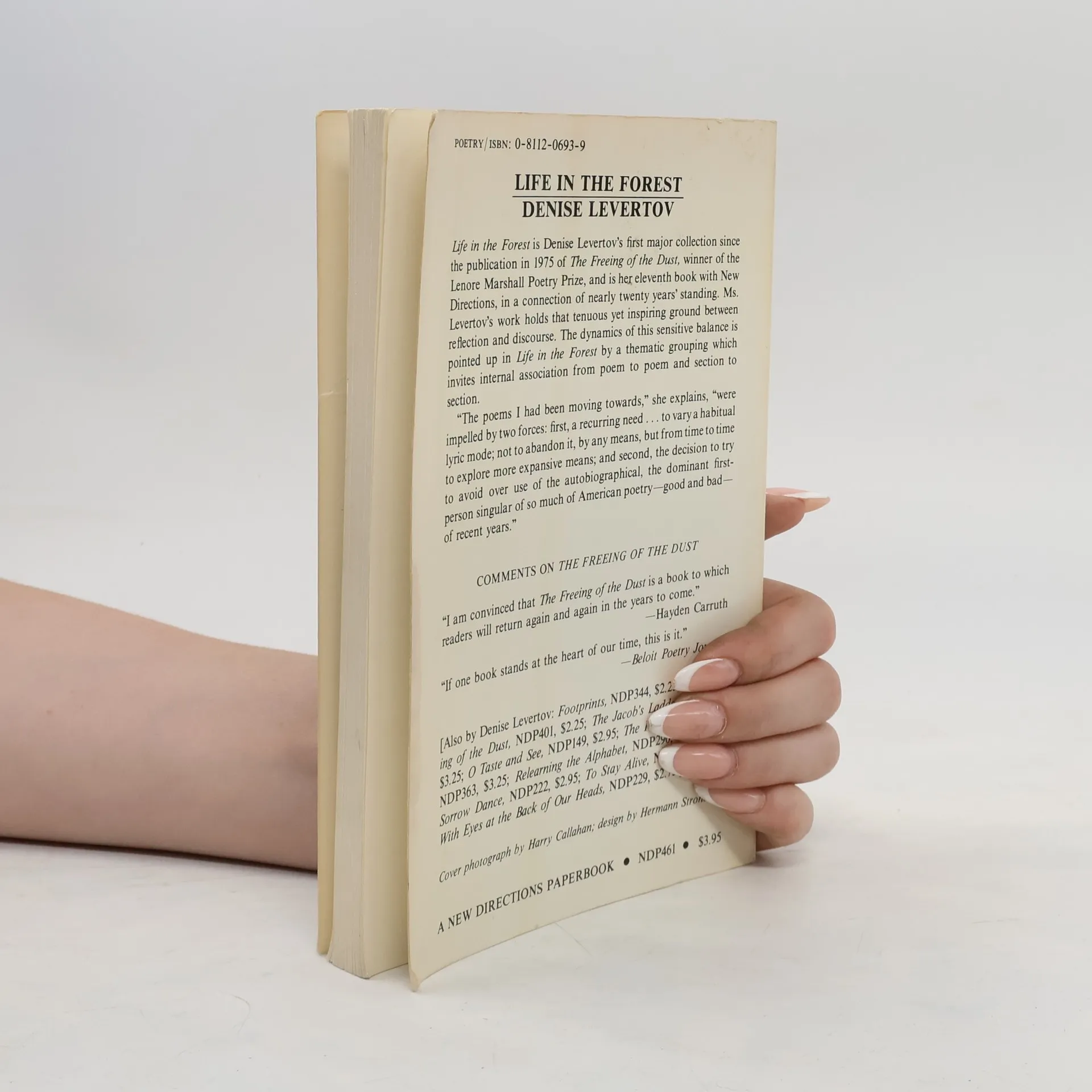
Life in the Forest is Denise Levertov’s first major collection since the publication in 1975 of The Freeing of the Dust, winner of the Leonore Marshall Poetry Prize, and is her eleventh book with New Directions, in a connection of nearly twenty years’ standing. Ms. Levertov’s work holds that tenuous yet inspiring ground between reflection and discourse. The dynamics of this sensitive balance is pointed up in Life in the Forest by a thematic grouping which invites internal association from poem to poem and section to section. “The poems I had been moving towards,” she explains, “were impelled by two forces: first, a recurring need…to vary a habitual lyric mode; not to abandon it, by any means, but from time to time explore more expansive means; and second, the decision to try to avoid over use of the autobiographical, the dominant first-person singular of so much American poetry—good and bad—of recent years.”
Zakup książki
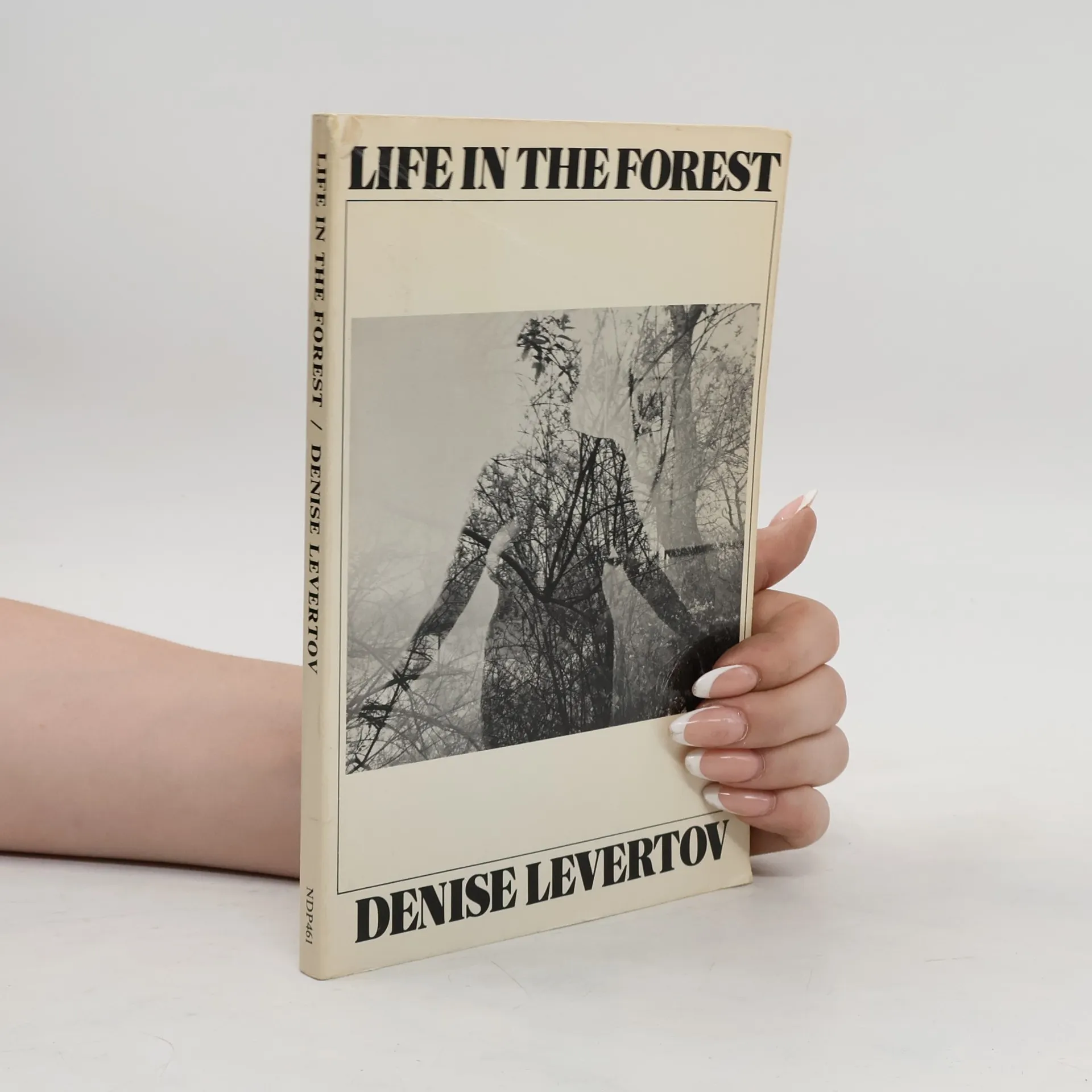
Life in the forest, Denise Levertov
- Język

- Rok wydania
- 1978
- Oprawa
- (miękka)
Metody płatności
Brakuje nam tutaj Twojej recenzji.
- Tytuł
- Life in the forest
- Język
- angielski
- Autorzy
- Denise Levertov
- Rok wydania
- 1978
- Oprawa
- miękka
- ISBN10
- 0811206939
- ISBN13
- 9780811206938
- Seria
- Tagi
- Ocena
- 4,1 z 5
- Opis
- Life in the Forest is Denise Levertov’s first major collection since the publication in 1975 of The Freeing of the Dust, winner of the Leonore Marshall Poetry Prize, and is her eleventh book with New Directions, in a connection of nearly twenty years’ standing. Ms. Levertov’s work holds that tenuous yet inspiring ground between reflection and discourse. The dynamics of this sensitive balance is pointed up in Life in the Forest by a thematic grouping which invites internal association from poem to poem and section to section. “The poems I had been moving towards,” she explains, “were impelled by two forces: first, a recurring need…to vary a habitual lyric mode; not to abandon it, by any means, but from time to time explore more expansive means; and second, the decision to try to avoid over use of the autobiographical, the dominant first-person singular of so much American poetry—good and bad—of recent years.”