

Więcej o książce
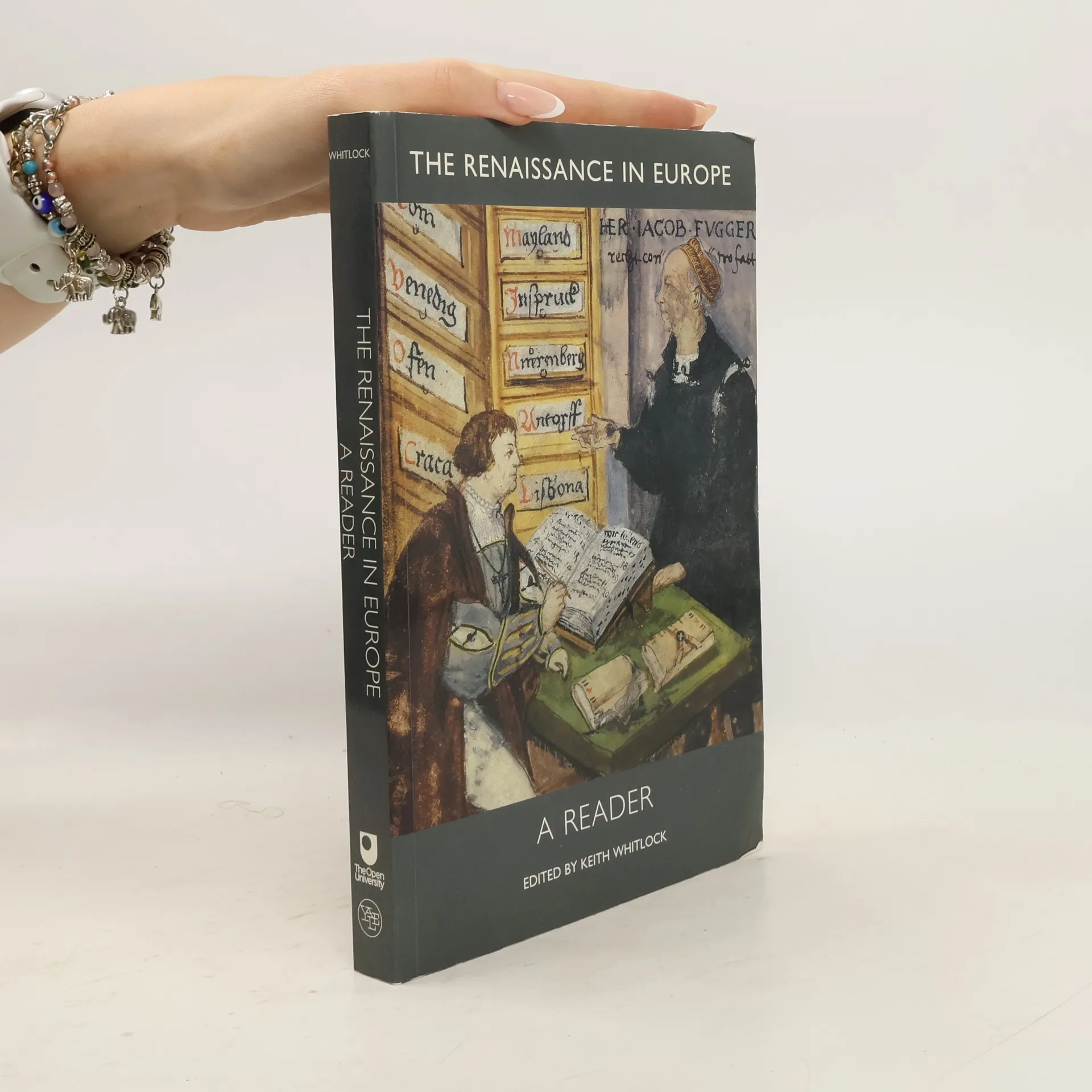
How important was the Renaissance in the development of Western civilization? To what extent did the Renaissance mediate or challenge tradition and notions of authority? What factors determined the reception of Renaissance culture in particular areas and particular disciplines? This stimulating book is a collection of seminal readings by eminent scholars who explore aspects of the Renaissance from various perspectives, assessing current knowledge and expounding their own views.The authors address the themes of humanism, structures of authority, and levels of culture among different social orders and between men and women. And they support or query ideas expressed in Jacob Burckhardt’s classic 1860 study of the Renaissance, speculating in particular on what his “discovery of the individual” really meant for the construction of self in the late medieval/early modern context. This collection is an essential reference for any student of the Renaissance.In association with the Open University
Zakup książki
The Renaissance in Europe, Keith Whitlock
- Język

- Rok wydania
- 2000
- Oprawa
- (miękka)
Metody płatności
Brakuje nam tutaj Twojej recenzji.
- Tytuł
- The Renaissance in Europe
- Język
- angielski
- Autorzy
- Keith Whitlock
- Wydawca
- Yale University Press
- Rok wydania
- 2000
- Oprawa
- miękka
- Liczba stron
- 382
- ISBN10
- 0300082231
- ISBN13
- 9780300082234
- Kategorie
- Ocena
- 4,45 z 5
- Opis
- How important was the Renaissance in the development of Western civilization? To what extent did the Renaissance mediate or challenge tradition and notions of authority? What factors determined the reception of Renaissance culture in particular areas and particular disciplines? This stimulating book is a collection of seminal readings by eminent scholars who explore aspects of the Renaissance from various perspectives, assessing current knowledge and expounding their own views.The authors address the themes of humanism, structures of authority, and levels of culture among different social orders and between men and women. And they support or query ideas expressed in Jacob Burckhardt’s classic 1860 study of the Renaissance, speculating in particular on what his “discovery of the individual” really meant for the construction of self in the late medieval/early modern context. This collection is an essential reference for any student of the Renaissance.In association with the Open University