



Więcej o książce
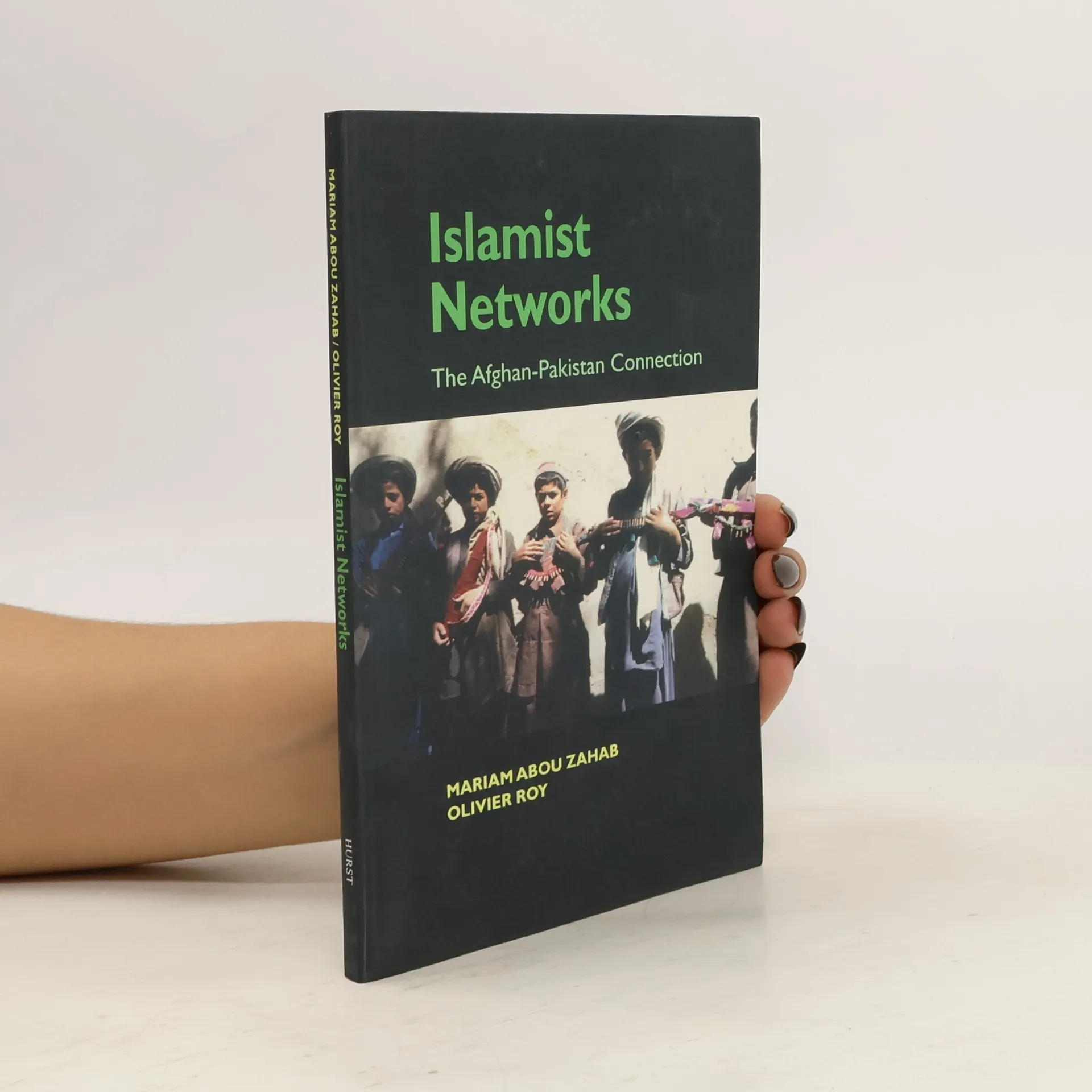
"Al Qaida was unable to realize its lethal potential until it found sanctuary in Afghanistan, where Osama bin Laden fled after being expelled from Sudan. But why was the network's sanctuary not attacked before September 2001, especially after the bombing of the U.S. embassies in Kenya and Tanzania in 1998? Abou Zahab and Roy argue that the Taliban was part of a much wider radical Islamist network in the region, whose true center was Pakistan, not Afghanistan. Al Qaida, the Taliban, the Pakistani Deobandis - all of these groups are based in Pakistan, which continues to serve as the regional hub for Islamist movements and their terrorist offshoots." "This book investigates and explains the almost twenty-five-year gestation of these interlinked radical Islamist networks of Pakistan, Central Asia, and Afghanistan, out of which Al Qaida emerged. Taking into account the networks' divergent histories and doctrinal rifts, the authors lay bare the political contingencies that enabled these disparate Islamist movements to coordinate with the aim of attacking what became their common adversary: the United States."--BOOK JACKET
Zakup książki
Islamist Networks, Mariam Abou Zahab, Olivier Roy
- Język

- Rok wydania
- 2004
- Oprawa
- (miękka)
Metody płatności
Brakuje nam tutaj Twojej recenzji.
- Tytuł
- Islamist Networks
- Podtytuł
- The Afghan-Pakistan Connection
- Język
- angielski
- Autorzy
- Mariam Abou Zahab, Olivier Roy
- Wydawca
- C Hurst & Co Publishers Ltd
- Rok wydania
- 2004
- Oprawa
- miękka
- ISBN10
- 1850657041
- ISBN13
- 9781850657040
- Seria
- Kategorie
- Ocena
- 4 z 5
- Opis
- "Al Qaida was unable to realize its lethal potential until it found sanctuary in Afghanistan, where Osama bin Laden fled after being expelled from Sudan. But why was the network's sanctuary not attacked before September 2001, especially after the bombing of the U.S. embassies in Kenya and Tanzania in 1998? Abou Zahab and Roy argue that the Taliban was part of a much wider radical Islamist network in the region, whose true center was Pakistan, not Afghanistan. Al Qaida, the Taliban, the Pakistani Deobandis - all of these groups are based in Pakistan, which continues to serve as the regional hub for Islamist movements and their terrorist offshoots." "This book investigates and explains the almost twenty-five-year gestation of these interlinked radical Islamist networks of Pakistan, Central Asia, and Afghanistan, out of which Al Qaida emerged. Taking into account the networks' divergent histories and doctrinal rifts, the authors lay bare the political contingencies that enabled these disparate Islamist movements to coordinate with the aim of attacking what became their common adversary: the United States."--BOOK JACKET