

Więcej o książce
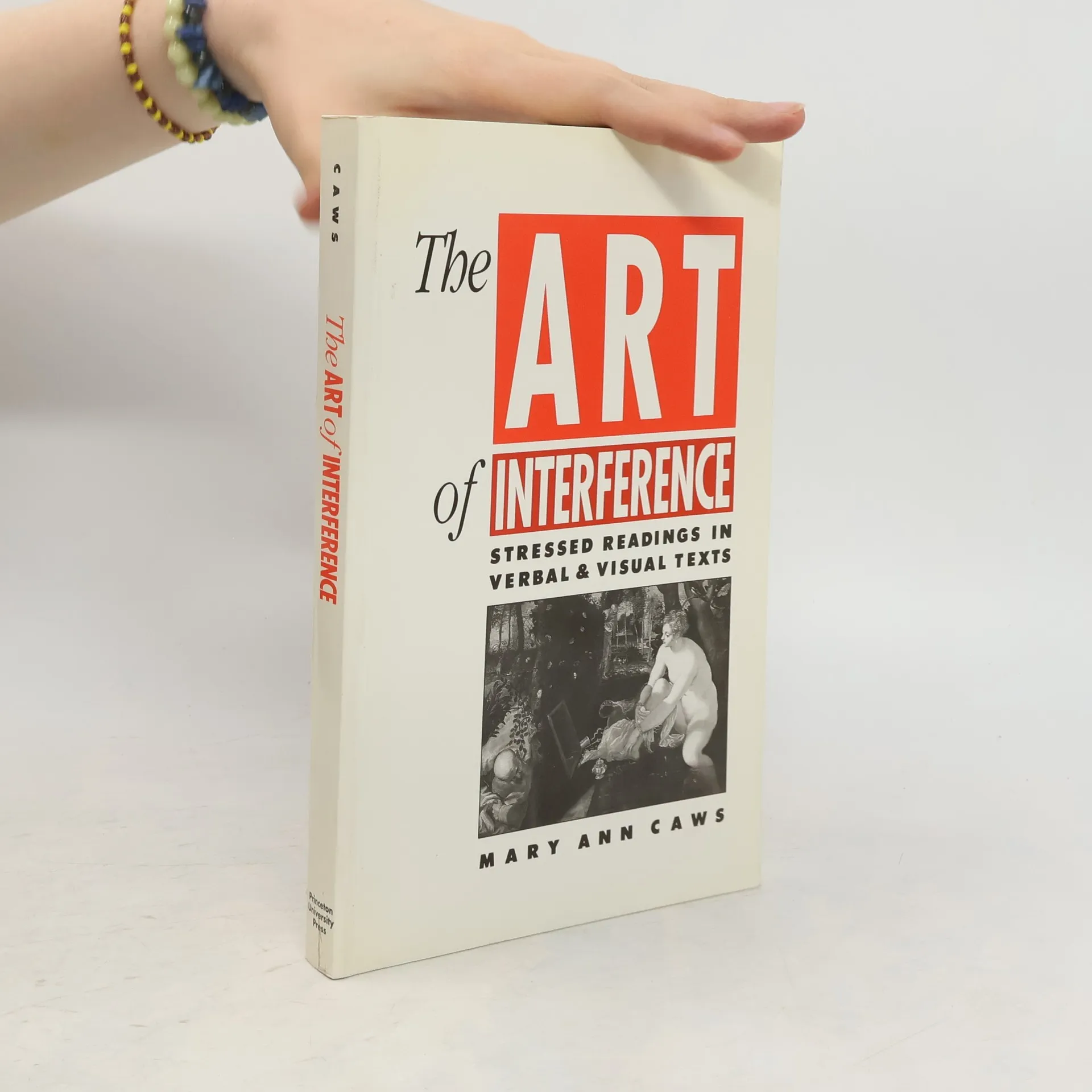
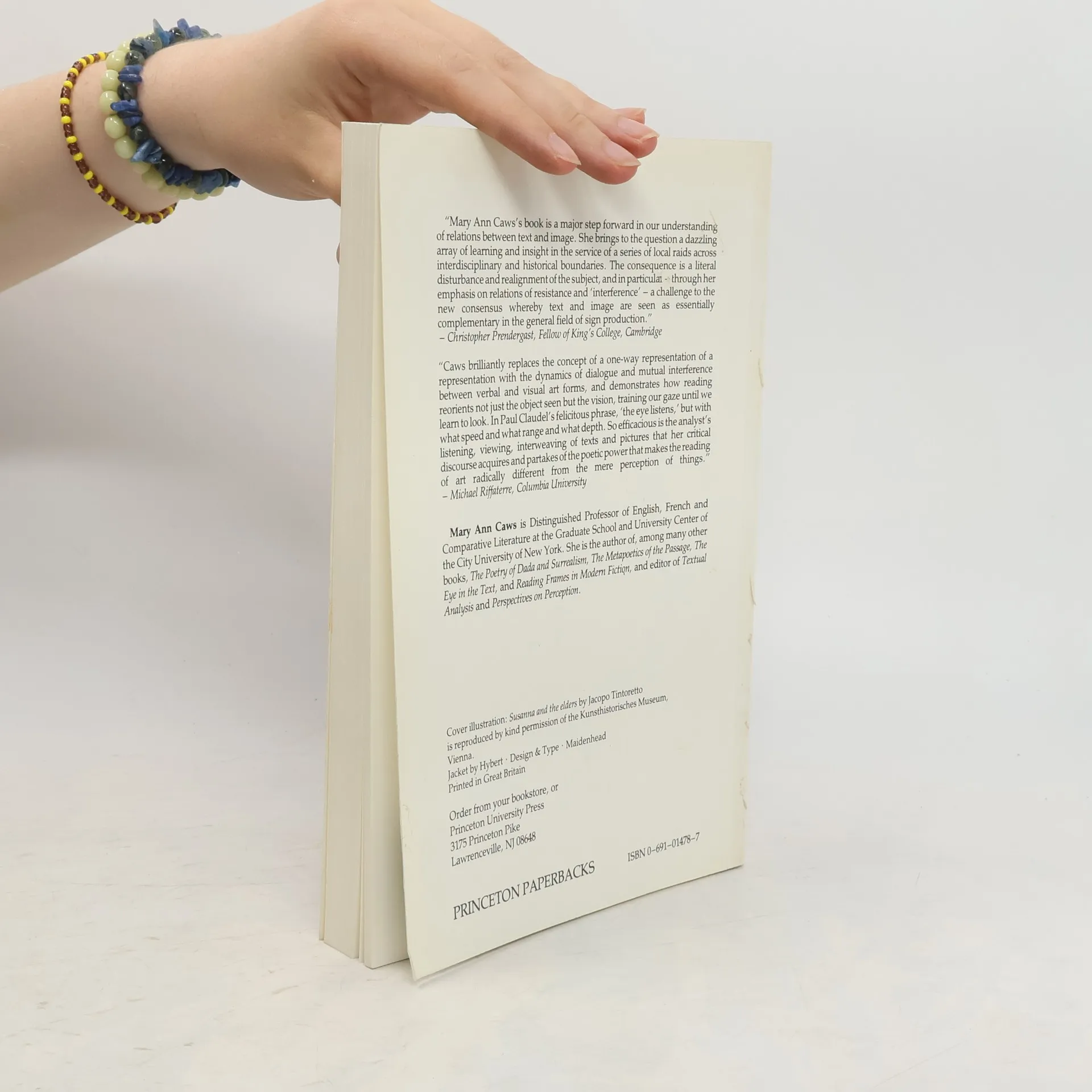
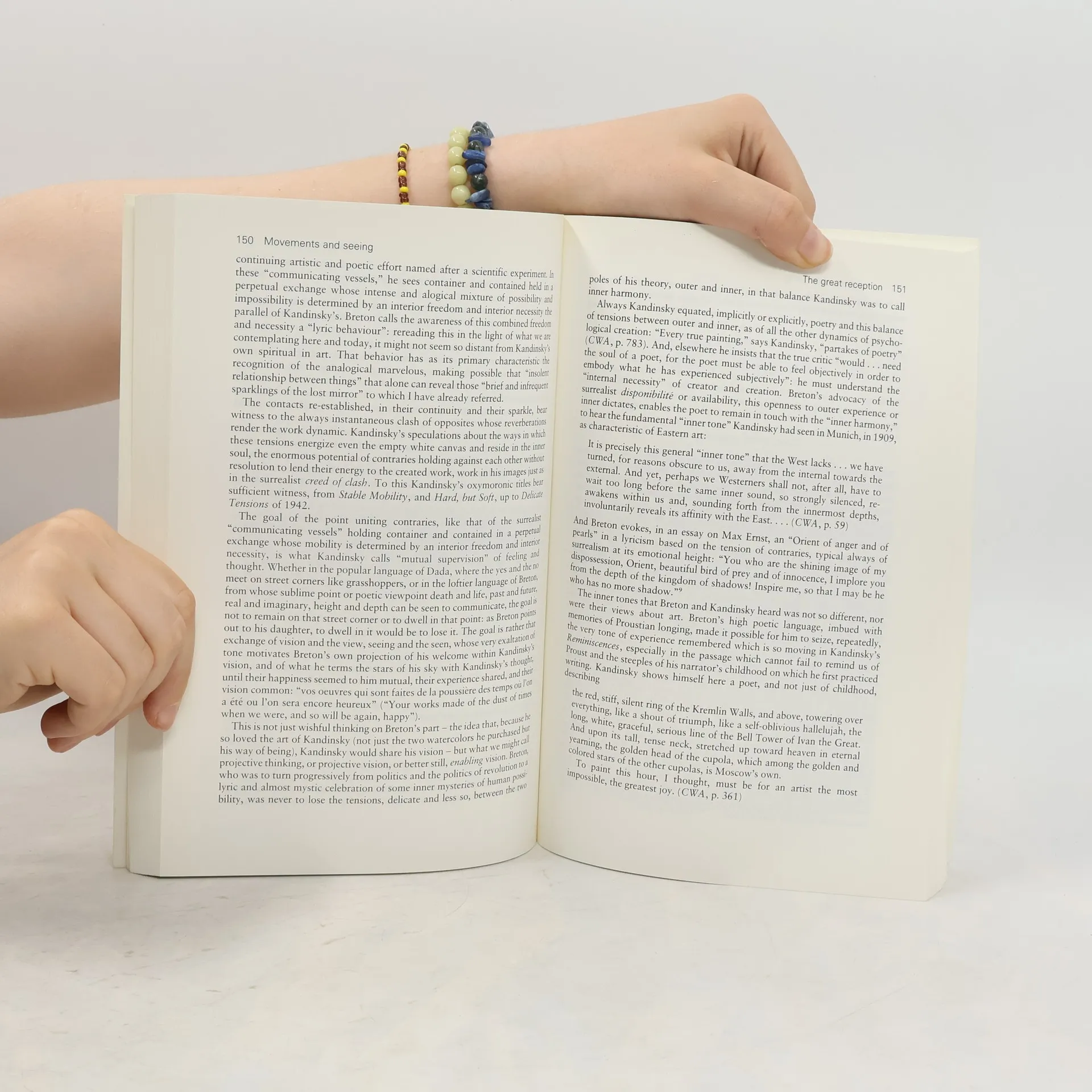
"Having the freedom of our perceptual conviction," writes Mary Ann Caws, "would mean the ability at once to challenge institutional presentations and individual visions and to invent our own fictions of seeing." In The Art of Interference Caws argues for a "personally passionate criticism," emphasizing that reading texts of literature and visual art can never be a fixed and closed process. She addresses the issues of how to look for, read, and know what is important when considering literary and visual works and how to establish relations and enhance "seeing" by such techniques as framing, bridging, fragmenting, integrating, and multiplying. These chapters are filled with Caws's own readings, which demonstrate the richness of connection-making. Written in a free, unpedantic style, this book opens up works to the imagination, making many original and significant connections between texts and art works. The author covers various movements in modern literature, art, and architecture, such as modernism, Dadaism, surrealism, concretism, and spatialism. In so doing, she draws relationships between painting and poetry, analyzing, among others, the work of Tintoretto, Van Gogh, Cornell, Stevens, Bataille, Mallarm, Derrida, and Arakawa.
Zakup książki
The Art of Interference, Mary Ann Caws
- Język

- Rok wydania
- 1989
- Oprawa
- (miękka)
Metody płatności
Brakuje nam tutaj Twojej recenzji.
- Tytuł
- The Art of Interference
- Podtytuł
- Stressed Readings in Verbal and Visual Texts
- Język
- angielski
- Autorzy
- Mary Ann Caws
- Wydawca
- Princeton University Press
- Rok wydania
- 1989
- Oprawa
- miękka
- Liczba stron
- 341
- ISBN10
- 0691014787
- ISBN13
- 9780691014784
- Seria
- Kategorie
- Ocena
- 3 z 5
- Opis
- "Having the freedom of our perceptual conviction," writes Mary Ann Caws, "would mean the ability at once to challenge institutional presentations and individual visions and to invent our own fictions of seeing." In The Art of Interference Caws argues for a "personally passionate criticism," emphasizing that reading texts of literature and visual art can never be a fixed and closed process. She addresses the issues of how to look for, read, and know what is important when considering literary and visual works and how to establish relations and enhance "seeing" by such techniques as framing, bridging, fragmenting, integrating, and multiplying. These chapters are filled with Caws's own readings, which demonstrate the richness of connection-making. Written in a free, unpedantic style, this book opens up works to the imagination, making many original and significant connections between texts and art works. The author covers various movements in modern literature, art, and architecture, such as modernism, Dadaism, surrealism, concretism, and spatialism. In so doing, she draws relationships between painting and poetry, analyzing, among others, the work of Tintoretto, Van Gogh, Cornell, Stevens, Bataille, Mallarm, Derrida, and Arakawa.