



Więcej o książce
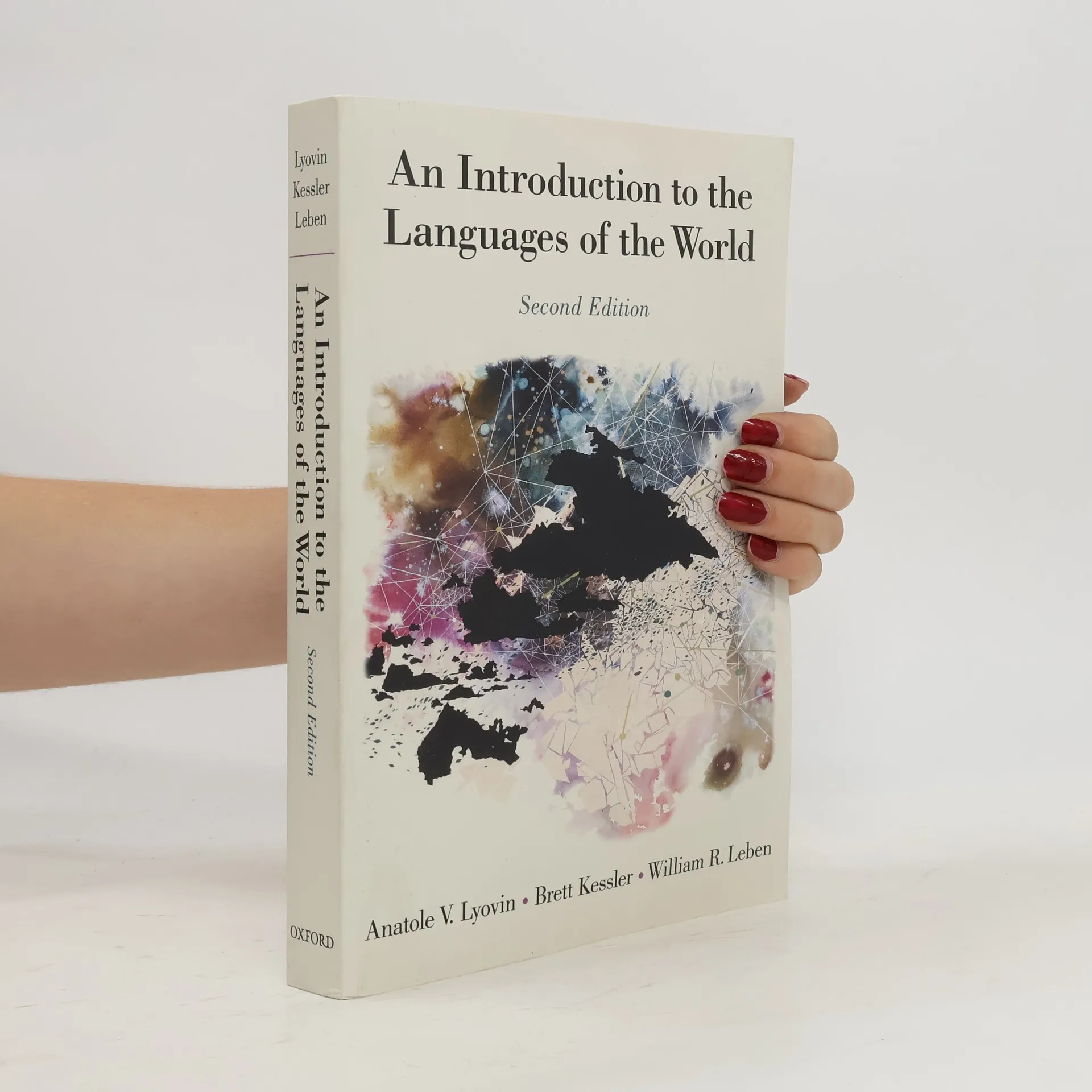
Unique in scope, An Introduction to the Languages of the World introduces linguistics students to the variety of world's languages. Students will gain familiarity with concepts such as sound change, lexical borrowing, diglossia, and language diffusion, and the rich variety of linguistic structure in word order, morphological types, grammatical relations, gender, inflection, and derivation. It offers the opportunity to explore structures of varying and fascinating languages even with no prior acquaintance. A chapter is devoted to each of the world's continents, with in-depth analyses of representative languages of Europe, Asia, Africa, Oceania, and America, and separate chapters cover writing systems and pidgins and creoles. Each chapter contains exercises and recommendations for further reading. New to this edition are eleven original maps as well as sections on sign languages and language death and revitalization. For greater readability, basic language facts are now organized in tables, and language samples follow international standards for phonetic transcription and word-by-word glossing
Zakup książki
An Introduction to the Languages of the World, Anatole V Lyovin, Brett Kessler, William Ronald Leben
- Język

- Rok wydania
- 2017
- Oprawa
- (miękka)
Metody płatności
Brakuje nam tutaj Twojej recenzji.
- Tytuł
- An Introduction to the Languages of the World
- Język
- angielski
- Wydawca
- Oxford University Press
- Rok wydania
- 2017
- Oprawa
- miękka
- Liczba stron
- 512
- ISBN10
- 0195149882
- ISBN13
- 9780195149883
- Seria
- Ocena
- 4,35 z 5
- Opis
- Unique in scope, An Introduction to the Languages of the World introduces linguistics students to the variety of world's languages. Students will gain familiarity with concepts such as sound change, lexical borrowing, diglossia, and language diffusion, and the rich variety of linguistic structure in word order, morphological types, grammatical relations, gender, inflection, and derivation. It offers the opportunity to explore structures of varying and fascinating languages even with no prior acquaintance. A chapter is devoted to each of the world's continents, with in-depth analyses of representative languages of Europe, Asia, Africa, Oceania, and America, and separate chapters cover writing systems and pidgins and creoles. Each chapter contains exercises and recommendations for further reading. New to this edition are eleven original maps as well as sections on sign languages and language death and revitalization. For greater readability, basic language facts are now organized in tables, and language samples follow international standards for phonetic transcription and word-by-word glossing