

Seria
Parametry
- 128 stron
- 5 godzin czytania
Więcej o książce
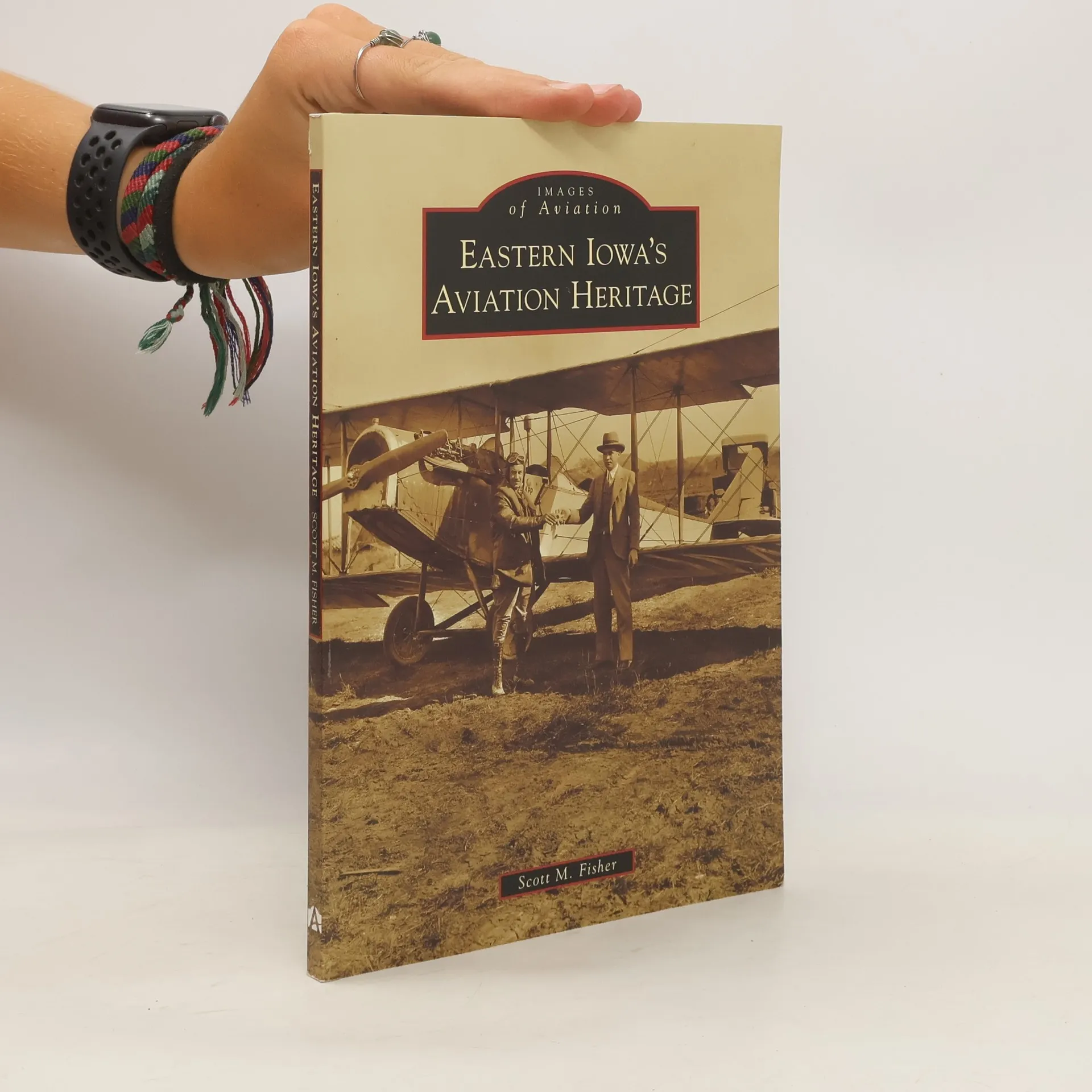
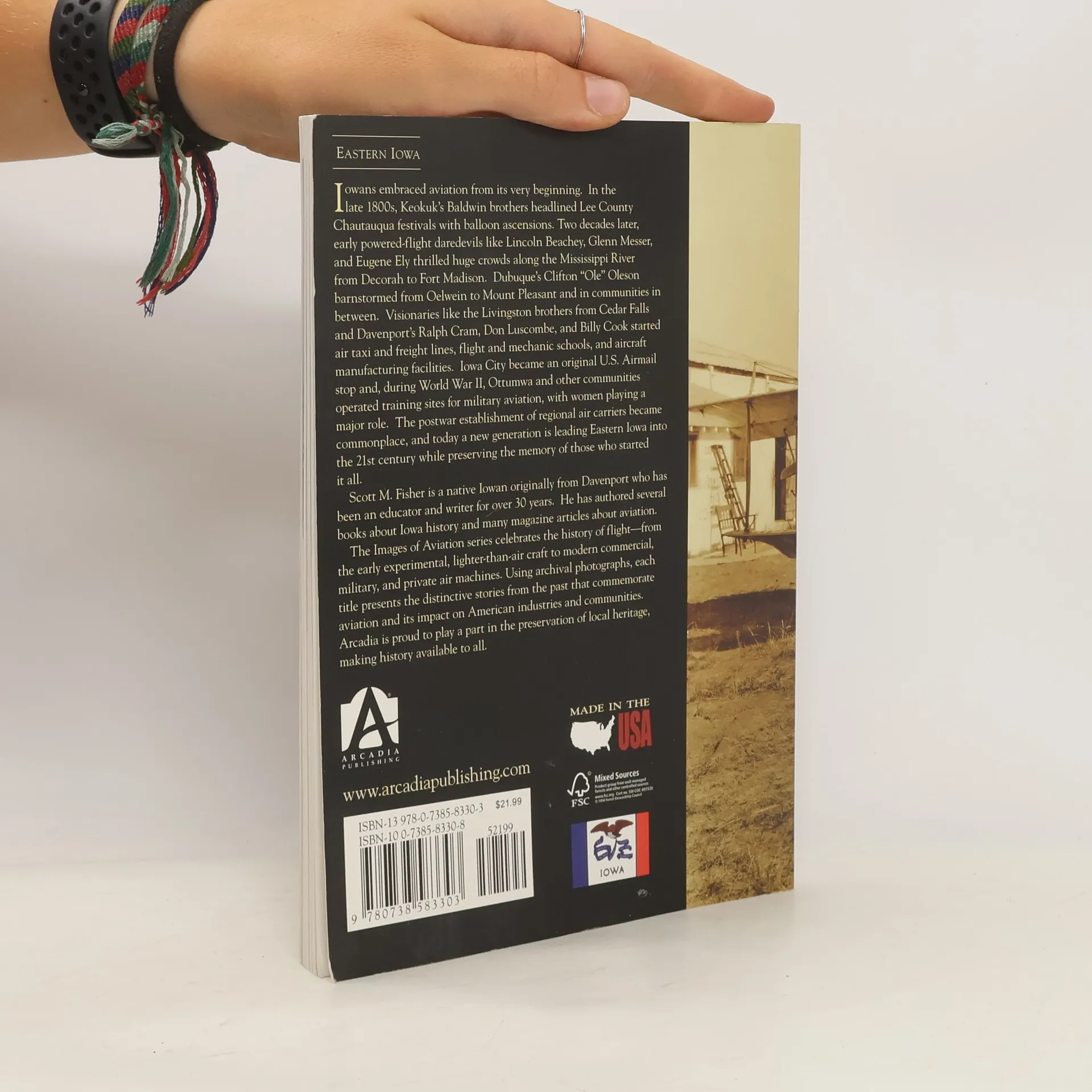
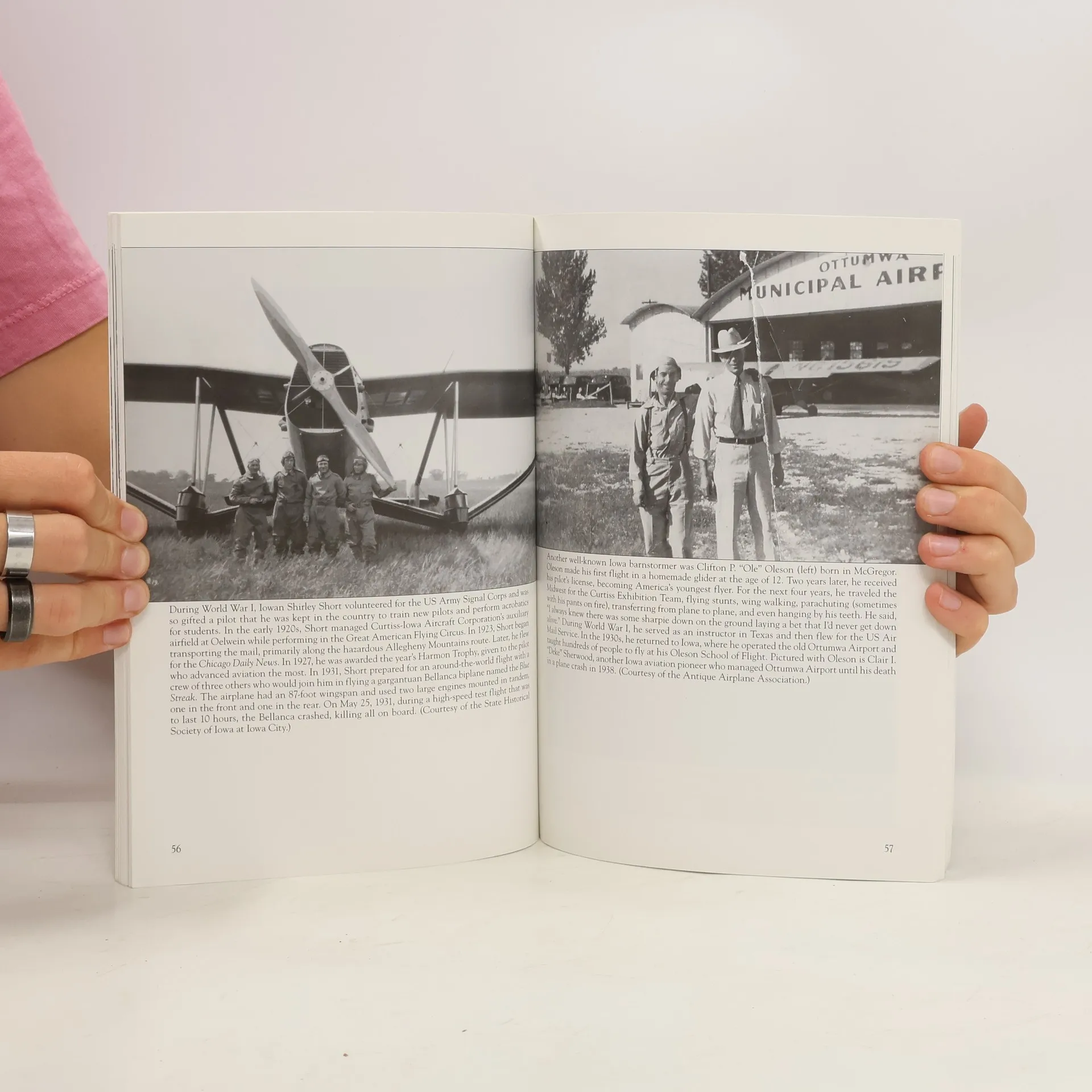
Iowans embraced aviation from its very beginning. In the late 1800s, Keokuk s Baldwin brothers headlined Lee County Chautauqua festivals with balloon ascensions. Two decades later, early powered-flight daredevils like Lincoln Beachey, Glenn Messer, and Eugene Ely thrilled huge crowds along the Mississippi River from Decorah to Fort Madison. Dubuque s Clifton Ole Oleson barnstormed from Oelwein to Mount Pleasant and in communities in between. Visionaries like the Livingston brothers from Cedar Falls and Davenport s Ralph Cram, Don Luscombe, and Billy Cook started air taxi and freight lines, flight and mechanic schools, and aircraft manufacturing facilities. Iowa City became an original U.S. Airmail stop and, during World War II, Ottumwa and other communities operated training sites for military aviation, with women playing a major role. The postwar establishment of regional air carriers became commonplace, and today a new generation is leading Eastern Iowa into the 21st century while preserving the memory of those who started it all."
Zakup książki
Eastern Iowa's Aviation Heritage, Scott M. Fisher
- Język

- Rok wydania
- 2011
- Oprawa
- (miękka)
Metody płatności
Nikt jeszcze nie ocenił.
- Tytuł
- Eastern Iowa's Aviation Heritage
- Język
- angielski
- Autorzy
- Scott M. Fisher
- Wydawca
- Arcadia Publishing (SC)
- Rok wydania
- 2011
- Oprawa
- miękka
- Liczba stron
- 128
- ISBN10
- 0738583308
- ISBN13
- 9780738583303
- Seria
- Images of Aviation
- Kategorie
- Opis
- Iowans embraced aviation from its very beginning. In the late 1800s, Keokuk s Baldwin brothers headlined Lee County Chautauqua festivals with balloon ascensions. Two decades later, early powered-flight daredevils like Lincoln Beachey, Glenn Messer, and Eugene Ely thrilled huge crowds along the Mississippi River from Decorah to Fort Madison. Dubuque s Clifton Ole Oleson barnstormed from Oelwein to Mount Pleasant and in communities in between. Visionaries like the Livingston brothers from Cedar Falls and Davenport s Ralph Cram, Don Luscombe, and Billy Cook started air taxi and freight lines, flight and mechanic schools, and aircraft manufacturing facilities. Iowa City became an original U.S. Airmail stop and, during World War II, Ottumwa and other communities operated training sites for military aviation, with women playing a major role. The postwar establishment of regional air carriers became commonplace, and today a new generation is leading Eastern Iowa into the 21st century while preserving the memory of those who started it all."