

Więcej o książce
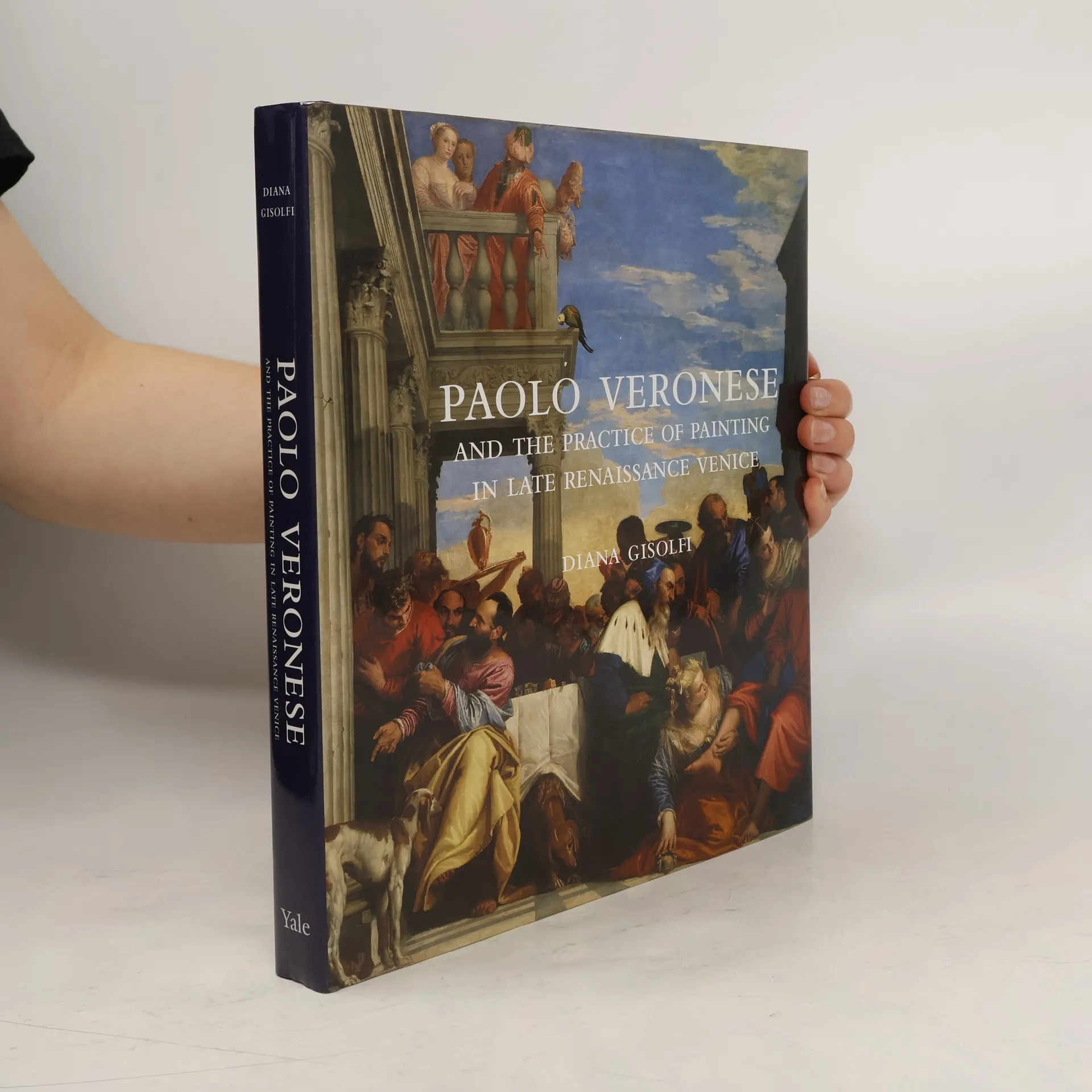
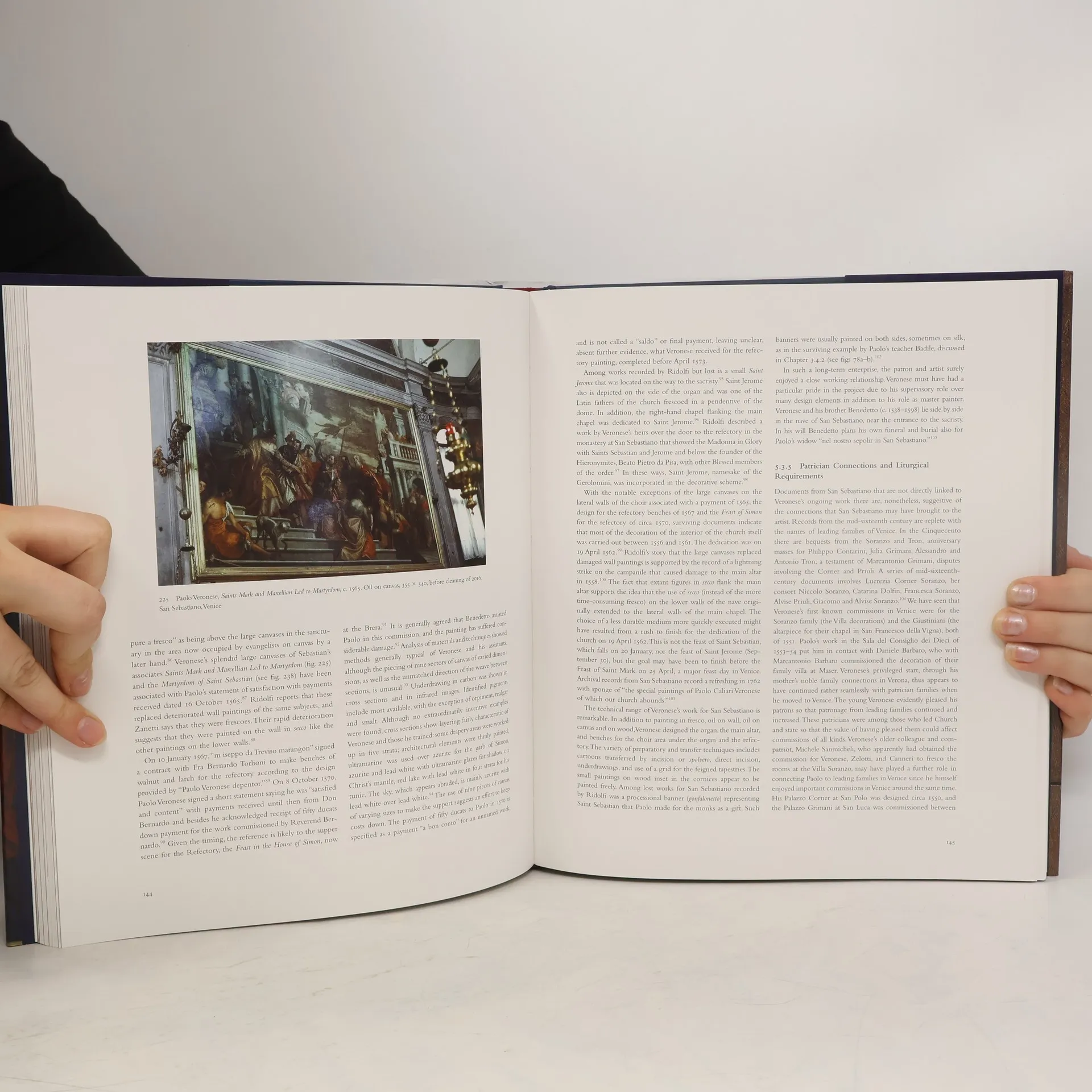
"One of the premier artists of Renaissance Venice, Paolo Veronese (1528-1588) enjoyed a highly successful career creating splendid and sophisticated paintings for an elite clientele. Focusing on Veronese's materials, workshop organization, and remarkably varied techniques, this important book provides a rich examination of the artist's painting practice and how it developed--as Paolo's training in Verona remained basic to distinguising his methods from those of other masters in Venice, such as Titian and Tintoretto. Diana Gisolfi's multidisciplinary approach brings together information on the physical qualities of Veronese's works discovered during recent conservation projects, a fresh look at contemporary texts from the 16th century, and a nuanced understanding of the world of artists, their collaborations and competitions, and their patrons in the Republic of Venice. This innovative methodology elucidates the working life of Veronese and his circle of contemporaries in new and fascinating ways"--Jacket
Zakup książki
Paolo Veronese and the Practice of Painting in Late Renaissance Venice, Diana Gisolfi
- Język

- Rok wydania
- 2017
- Oprawa
- (twarda)
Metody płatności
Brakuje nam tutaj Twojej recenzji.
- Tytuł
- Paolo Veronese and the Practice of Painting in Late Renaissance Venice
- Język
- angielski
- Autorzy
- Diana Gisolfi
- Wydawca
- Yale University Press
- Rok wydania
- 2017
- Oprawa
- twarda
- Liczba stron
- 352
- ISBN10
- 0300225822
- ISBN13
- 9780300225822
- Seria
- Ocena
- 4,5 z 5
- Opis
- "One of the premier artists of Renaissance Venice, Paolo Veronese (1528-1588) enjoyed a highly successful career creating splendid and sophisticated paintings for an elite clientele. Focusing on Veronese's materials, workshop organization, and remarkably varied techniques, this important book provides a rich examination of the artist's painting practice and how it developed--as Paolo's training in Verona remained basic to distinguising his methods from those of other masters in Venice, such as Titian and Tintoretto. Diana Gisolfi's multidisciplinary approach brings together information on the physical qualities of Veronese's works discovered during recent conservation projects, a fresh look at contemporary texts from the 16th century, and a nuanced understanding of the world of artists, their collaborations and competitions, and their patrons in the Republic of Venice. This innovative methodology elucidates the working life of Veronese and his circle of contemporaries in new and fascinating ways"--Jacket