

Ocena książki
Więcej o książce
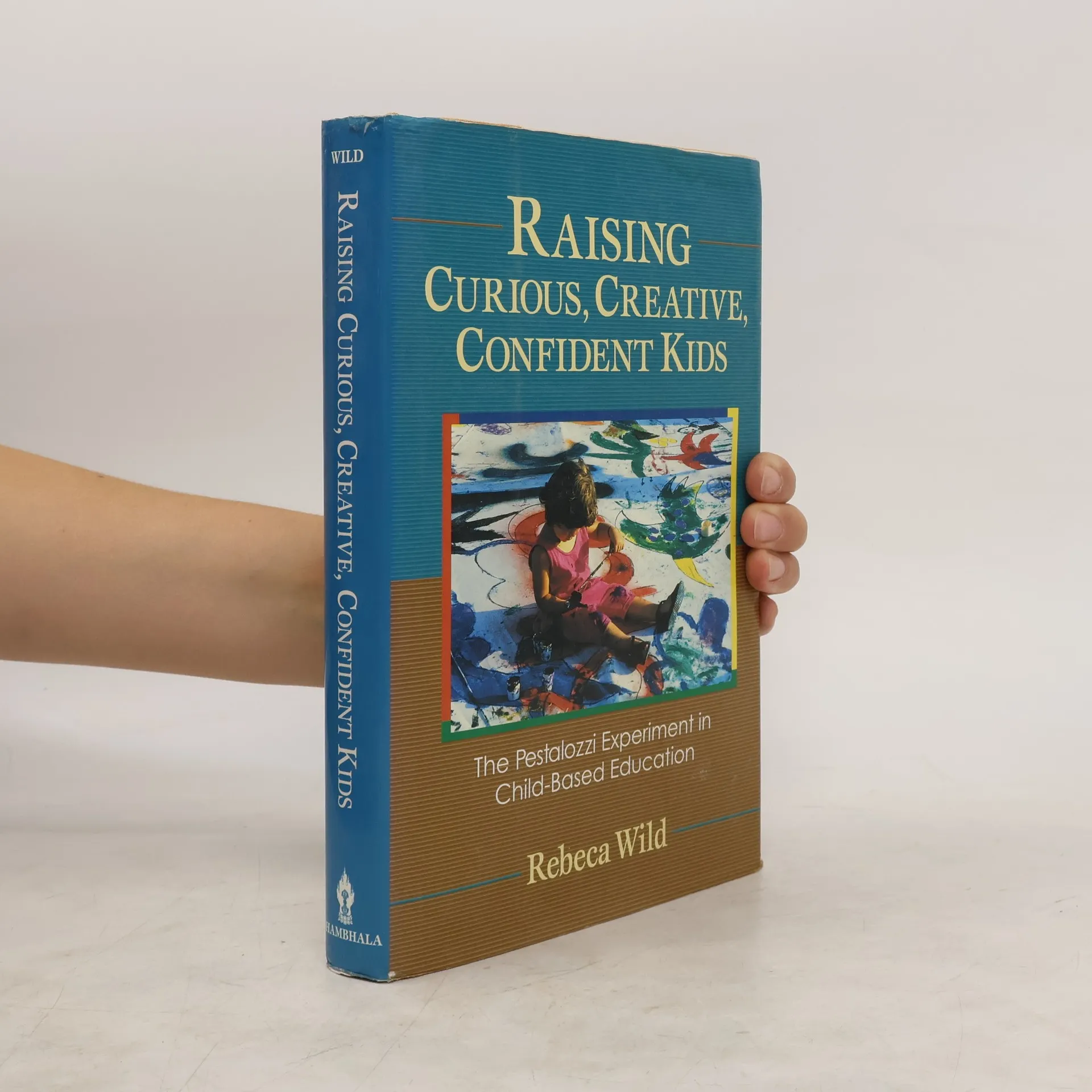
How can we create schools that reinforce each child's joy of life, curiosity, individuality, the natural conviction of his or her own self-worth and the worth of others—and that meet the highest academic standards as well? Rebeca Wild, a principal in a Pestalozzi school in Ecuador—the model for a grassroots educational movement in several European countries—reveals how the children in her Pesta classroom experience reading, writing, and mathematics, as well as art, music, geography, the natural sciences, social issues, even matters of life and death. Rebeca Wild shares the organic process by which the Pesta method evolved and explains how the Pesta experience transforms not only the children—including many diagnosed with various psychological problems and learning disabilities—but the parents and teachers as well.
Zakup książki
Raising Curious, Creative, Confident Kids, Rebeca Wild
- Język

- Rok wydania
- 2000
- Oprawa
- (twarda)
Metody płatności
Brakuje nam tutaj Twojej recenzji.
- Tytuł
- Raising Curious, Creative, Confident Kids
- Podtytuł
- The Pestalozzi Experiment in Child-based Education
- Język
- angielski
- Autorzy
- Rebeca Wild
- Wydawca
- Shambhala
- Rok wydania
- 2000
- Oprawa
- twarda
- Liczba stron
- 304
- ISBN10
- 1570624550
- ISBN13
- 9781570624551
- Seria
- Kategorie
- Tagi
- Ocena
- 4,65 z 5
- Opis
- How can we create schools that reinforce each child's joy of life, curiosity, individuality, the natural conviction of his or her own self-worth and the worth of others—and that meet the highest academic standards as well? Rebeca Wild, a principal in a Pestalozzi school in Ecuador—the model for a grassroots educational movement in several European countries—reveals how the children in her Pesta classroom experience reading, writing, and mathematics, as well as art, music, geography, the natural sciences, social issues, even matters of life and death. Rebeca Wild shares the organic process by which the Pesta method evolved and explains how the Pesta experience transforms not only the children—including many diagnosed with various psychological problems and learning disabilities—but the parents and teachers as well.