



Więcej o książce
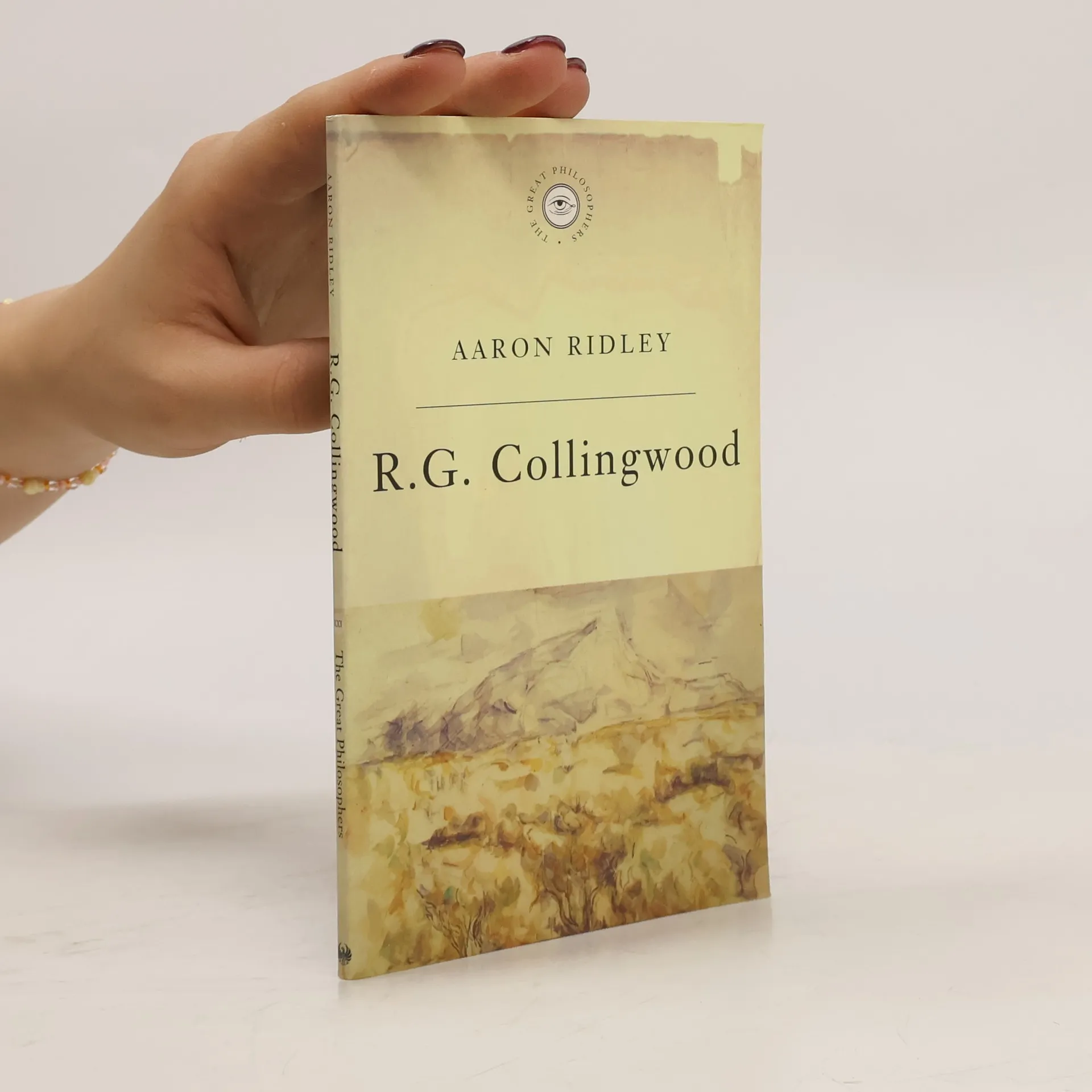
Many philosophers have been interested in aesthetics, but Collingwood was passionate about art. His theories were never merely theoretical: aesthetics for him was a vivid, vibrant thing, to be experienced immediately in worked paint and in sculpted stone, in poetry and music. Art and life were no dichotomy for Collingwood – for how could you have one without the other? Works of art were created in and for the real world, to be enjoyed by real people, to enchant and enhance. Aaron Ridley’s fascinating introduction opens up the work of this most rewarding of aesthetic thinkers, tracing his thought from its philosophic origins through to its practical consequence and ethical implications. The man who saw art as ‘the community’s medicine for the worst disease of mind’ had a sense of its urgent importance which we ignore at our peril today.
Zakup książki
R.G. Collingwood, Aaron Ridley
- Język

- Rok wydania
- 1998
- Oprawa
- (miękka)
Metody płatności
Brakuje nam tutaj Twojej recenzji.
- Tytuł
- R.G. Collingwood
- Podtytuł
- A Philosophy of Art
- Język
- angielski
- Autorzy
- Aaron Ridley
- Wydawca
- Weidenfeld & Nicolson
- Rok wydania
- 1998
- Oprawa
- miękka
- Liczba stron
- 53
- ISBN10
- 0753805278
- ISBN13
- 9780753805275
- Seria
- Ocena
- 3,85 z 5
- Opis
- Many philosophers have been interested in aesthetics, but Collingwood was passionate about art. His theories were never merely theoretical: aesthetics for him was a vivid, vibrant thing, to be experienced immediately in worked paint and in sculpted stone, in poetry and music. Art and life were no dichotomy for Collingwood – for how could you have one without the other? Works of art were created in and for the real world, to be enjoyed by real people, to enchant and enhance. Aaron Ridley’s fascinating introduction opens up the work of this most rewarding of aesthetic thinkers, tracing his thought from its philosophic origins through to its practical consequence and ethical implications. The man who saw art as ‘the community’s medicine for the worst disease of mind’ had a sense of its urgent importance which we ignore at our peril today.