

Ocena książki
Więcej o książce
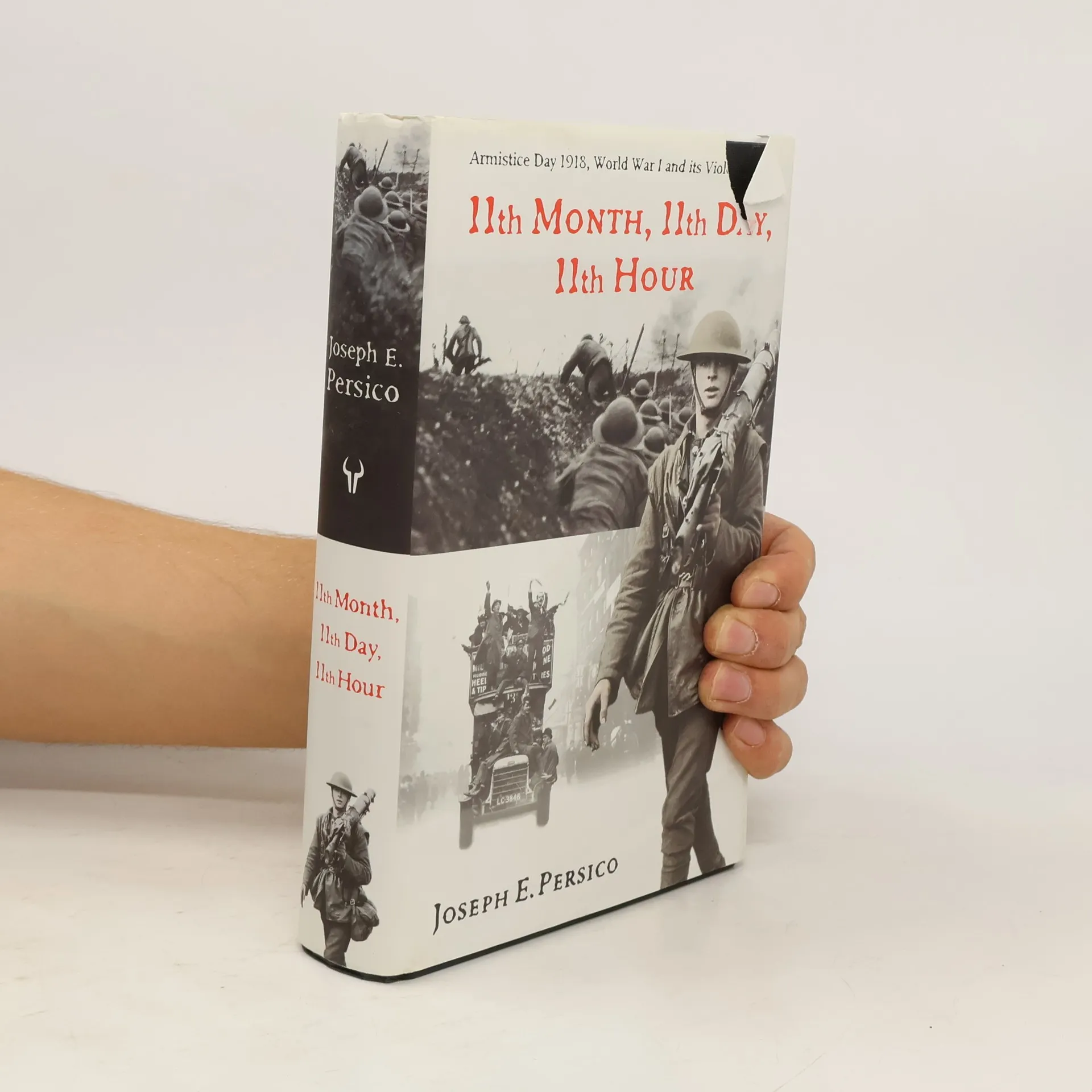
The story of the day on which World War I, the war to end all wars, ended. Using military archives and public records, along with journals and diaries, the book will weave together the eleventh hour experiences of the famous, such as Lloyd George, President Woodrow Wilson, Field Marshall Haig and General Pershing. But more dominantly, it will deal with the ordinary men in the trenches, unsung and unremembered, the British Tommies, French Poilus, American Doughboys and German Feldgrau. Where, for example, was the Austrian corporal, Adolf Hitler, on that day? Four days before the War's end, with peace talks already underway, the beaten Germans propose an interim ceasefire to spare lives. However, the French Allied Commander, General Ferdinand Foch, refuses. Hostilities will not cease, Foch insists, before the appointed hour of the Armistice. Thus, even on the last day, the Allies are still launching full scale offenses and both sides bombard each other until the final minute of the agreed ceasefire, 11am, November 11, 1918. The last hours pulsate with tension as men in the trenches, airmen in the sky and sailors at sea hope to escape the melancholy distinction of being the last to die in the War.
Zakup książki
11th Month, 11th Day, 11th Hour, Joseph E. Persico
- Język

- Rok wydania
- 2004
- Oprawa
- (twarda)
Metody płatności
Brakuje nam tutaj Twojej recenzji.
- Tytuł
- 11th Month, 11th Day, 11th Hour
- Podtytuł
- Armistice Day, 1918, World War I and Its Violent Climax
- Język
- angielski
- Autorzy
- Joseph E. Persico
- Wydawca
- Vintage
- Rok wydania
- 2004
- Oprawa
- twarda
- Liczba stron
- 456
- ISBN10
- 0091795036
- ISBN13
- 9780091795030
- Seria
- Ocena
- 3,7 z 5
- Opis
- The story of the day on which World War I, the war to end all wars, ended. Using military archives and public records, along with journals and diaries, the book will weave together the eleventh hour experiences of the famous, such as Lloyd George, President Woodrow Wilson, Field Marshall Haig and General Pershing. But more dominantly, it will deal with the ordinary men in the trenches, unsung and unremembered, the British Tommies, French Poilus, American Doughboys and German Feldgrau. Where, for example, was the Austrian corporal, Adolf Hitler, on that day? Four days before the War's end, with peace talks already underway, the beaten Germans propose an interim ceasefire to spare lives. However, the French Allied Commander, General Ferdinand Foch, refuses. Hostilities will not cease, Foch insists, before the appointed hour of the Armistice. Thus, even on the last day, the Allies are still launching full scale offenses and both sides bombard each other until the final minute of the agreed ceasefire, 11am, November 11, 1918. The last hours pulsate with tension as men in the trenches, airmen in the sky and sailors at sea hope to escape the melancholy distinction of being the last to die in the War.