

Więcej o książce
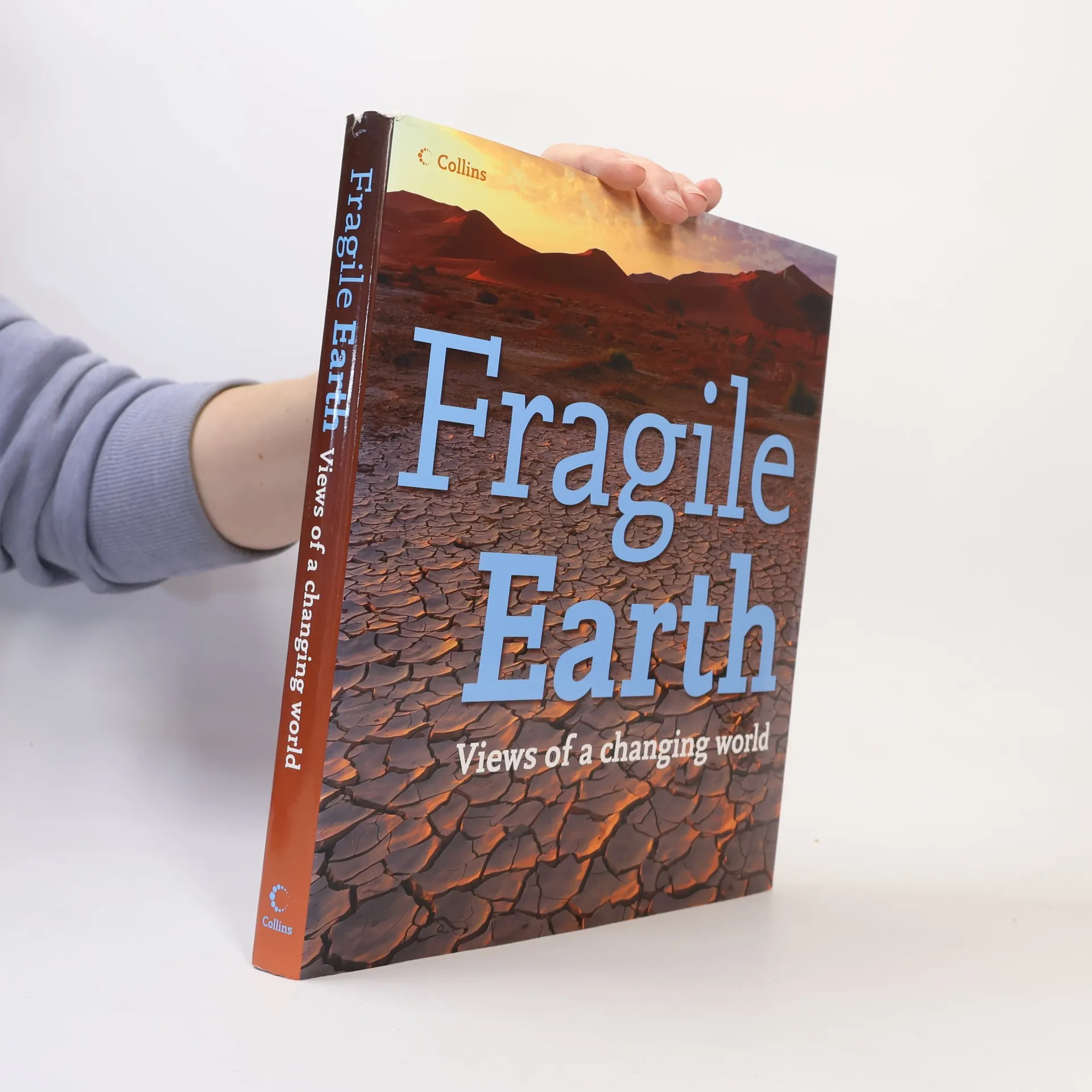
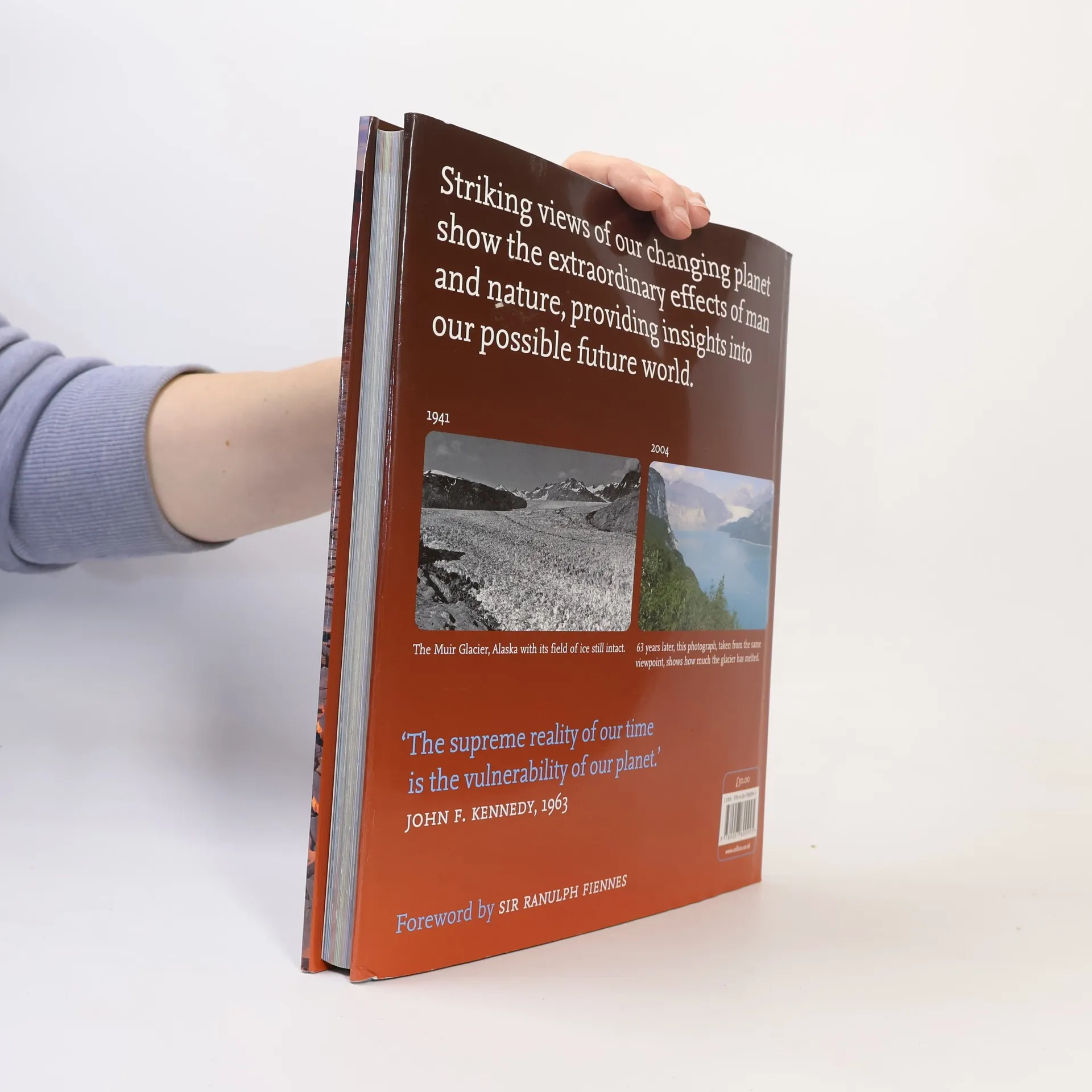
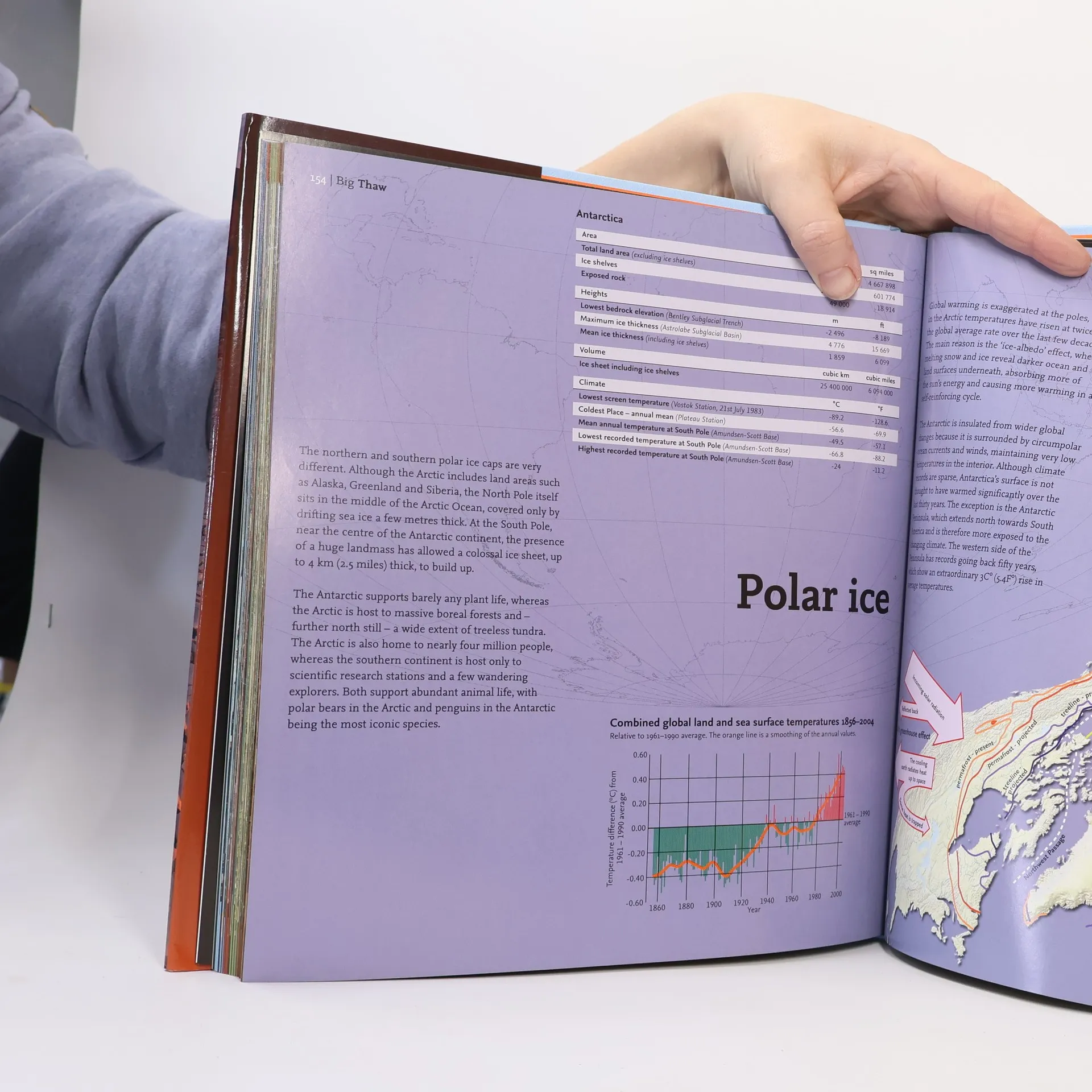
Natural disasters, climate change, resource exploitation, and human development are rapidly transforming our planet. Current news is filled with stories of hurricanes, tornadoes, coastal flooding, and melting polar ice caps. This book seeks to address these pressing questions through the insights of leading experts and unique before-and-after satellite imagery that illustrates these changes and their potential outcomes. Different phenomena present varying risks. Sudden natural events like earthquakes, volcanoes, tsunamis, and extreme weather threaten local populations, while more gradual changes can have equally devastating long-term effects. For instance, desertification, shrinking lakes, and drought are increasingly prevalent, raising concerns about their impact on human populations. Similarly, the "Big Thaw," characterized by dwindling glaciers, polar ice changes, and rising sea levels, poses significant challenges. The central question posed is: What can be done? Solutions exist if we prioritize addressing these issues. The expert contributors provide insights, including the importance of conserving current resources among other strategies. By focusing on these solutions, we can work towards mitigating the effects of these environmental challenges.
Zakup książki
Fragile Earth. Views of a Changing Earth, Ranulph Fiennes
- Język

- Rok wydania
- 2006
- Oprawa
- (twarda)
Metody płatności
Nikt jeszcze nie ocenił.
- Tytuł
- Fragile Earth. Views of a Changing Earth
- Język
- angielski
- Autorzy
- Ranulph Fiennes
- Wydawca
- Collins
- Rok wydania
- 2006
- Oprawa
- twarda
- ISBN10
- 0007800991
- ISBN13
- 9780007800995
- Seria
- Opis
- Natural disasters, climate change, resource exploitation, and human development are rapidly transforming our planet. Current news is filled with stories of hurricanes, tornadoes, coastal flooding, and melting polar ice caps. This book seeks to address these pressing questions through the insights of leading experts and unique before-and-after satellite imagery that illustrates these changes and their potential outcomes. Different phenomena present varying risks. Sudden natural events like earthquakes, volcanoes, tsunamis, and extreme weather threaten local populations, while more gradual changes can have equally devastating long-term effects. For instance, desertification, shrinking lakes, and drought are increasingly prevalent, raising concerns about their impact on human populations. Similarly, the "Big Thaw," characterized by dwindling glaciers, polar ice changes, and rising sea levels, poses significant challenges. The central question posed is: What can be done? Solutions exist if we prioritize addressing these issues. The expert contributors provide insights, including the importance of conserving current resources among other strategies. By focusing on these solutions, we can work towards mitigating the effects of these environmental challenges.