


Więcej o książce
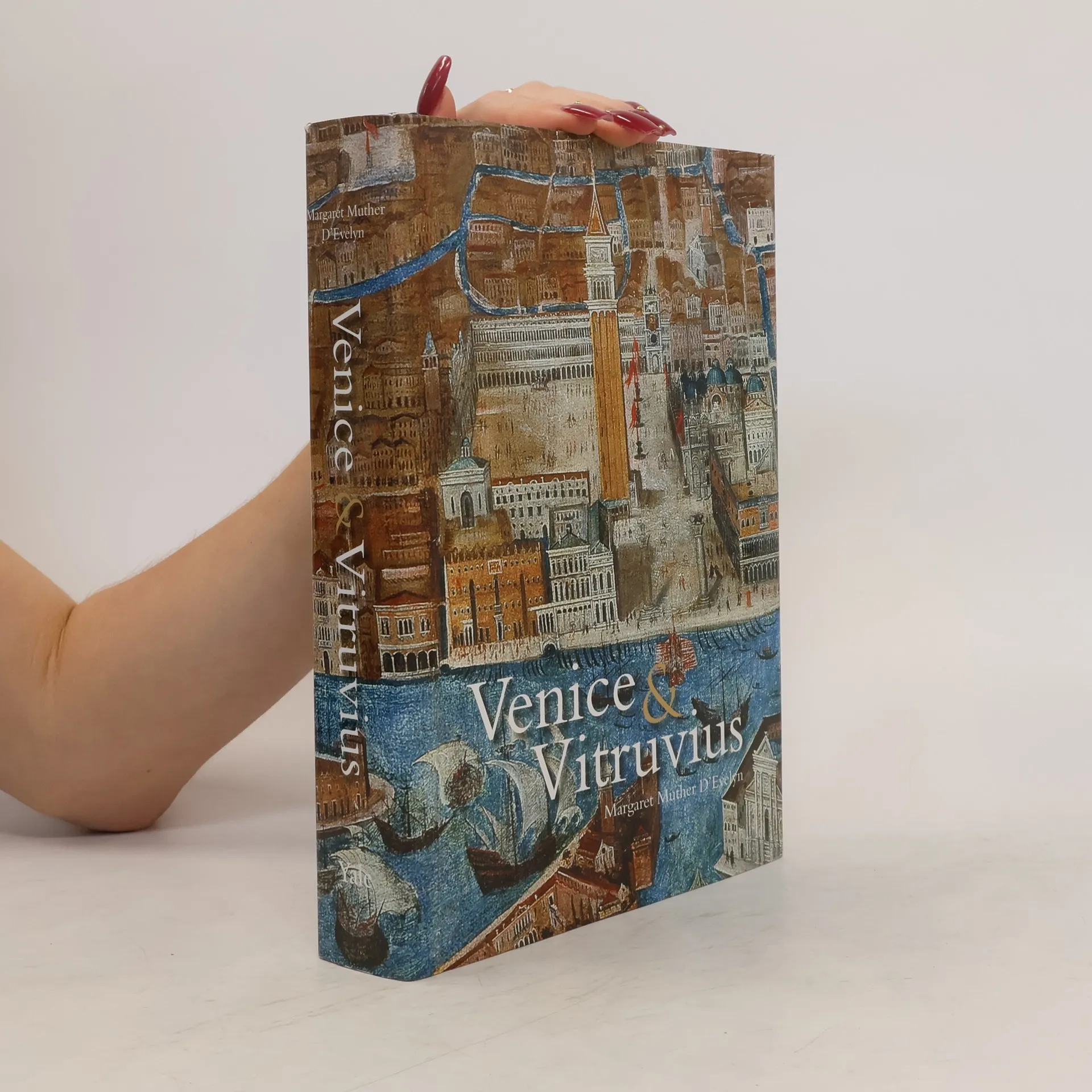
In about 35-25 B.C.E., the Roman architect Vitruvius produced his encyclopedic ten-book summary of the principles of Hellenistic architecture, De architectura (On Architecture). These ideas have stimulated architects ever since. In the mid-16th century, the architect Andrea Palladio (1508-1580) and the humanist Daniele Barbaro (1513-1570) looked to the city of Venice in order to understand and interpret Vitruvius's text - still in need of clarification - which would enable them to solve contemporary architectural problems. They found in the city's medieval and Renaissance streets, palaces, churches, and towers living principles that enabled them to interpret the ancient principles. By 1556, Barbaro had incorporated their observations into his "Commentaries" on Vitruvius, and two distinctly new editions for different audiences followed a decade later. Margaret D'Evelyn has gathered evidence to document how Palladio's understanding of Vitruvius influenced Barbaro. This engrossing volume also charts the invention of the illustrated architectural book and how major architect-authors, such as Leon Battista Alberti and Sebastiano Serlio, contributed to its development - demonstrating how Vitruvius shaped the way the city of Venice was viewed.
Zakup książki
Venice & Vitruvius, Margaret Muther D'Evelyn
- Język

- Rok wydania
- 2012
- Oprawa
- (twarda)
Metody płatności
Brakuje nam tutaj Twojej recenzji.
- Tytuł
- Venice & Vitruvius
- Podtytuł
- Reading Venice with Daniele Barbaro and Andrea Palladio
- Język
- angielski
- Autorzy
- Margaret Muther D'Evelyn
- Rok wydania
- 2012
- Oprawa
- twarda
- Liczba stron
- 504
- ISBN10
- 0300174519
- ISBN13
- 9780300174519
- Seria
- Kategorie
- Tagi
- Historia & Fakty
- Ocena
- 3 z 5
- Opis
- In about 35-25 B.C.E., the Roman architect Vitruvius produced his encyclopedic ten-book summary of the principles of Hellenistic architecture, De architectura (On Architecture). These ideas have stimulated architects ever since. In the mid-16th century, the architect Andrea Palladio (1508-1580) and the humanist Daniele Barbaro (1513-1570) looked to the city of Venice in order to understand and interpret Vitruvius's text - still in need of clarification - which would enable them to solve contemporary architectural problems. They found in the city's medieval and Renaissance streets, palaces, churches, and towers living principles that enabled them to interpret the ancient principles. By 1556, Barbaro had incorporated their observations into his "Commentaries" on Vitruvius, and two distinctly new editions for different audiences followed a decade later. Margaret D'Evelyn has gathered evidence to document how Palladio's understanding of Vitruvius influenced Barbaro. This engrossing volume also charts the invention of the illustrated architectural book and how major architect-authors, such as Leon Battista Alberti and Sebastiano Serlio, contributed to its development - demonstrating how Vitruvius shaped the way the city of Venice was viewed.