



Więcej o książce
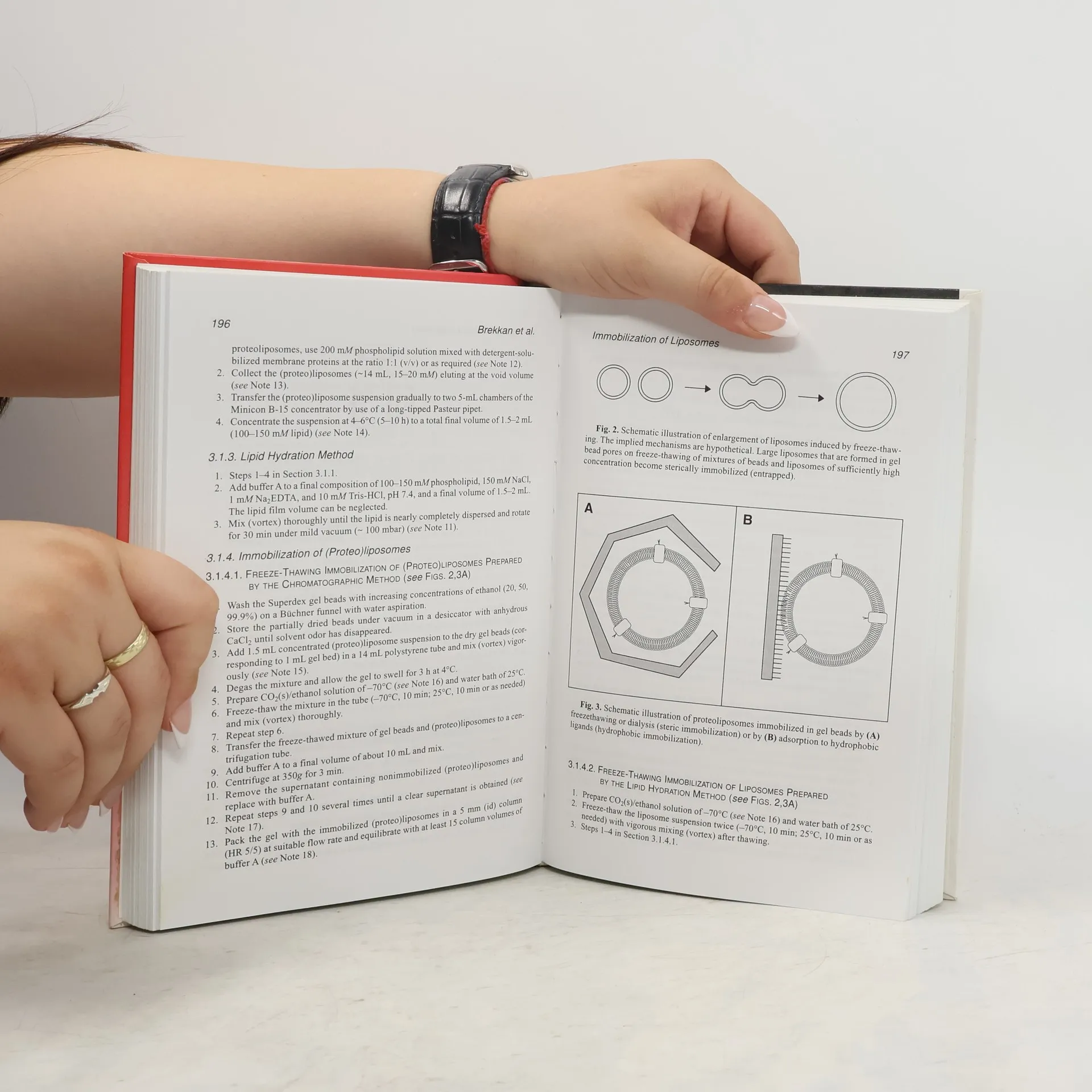
Immobihzatron of enzymes, cells, and organelles has expanded greatly in the past 30 years as the advantages of immobilization have been evaluated and utilized in analyttcal, biotransformation, and medical applications. A c- sequence of this explosion of technology IS that there is now a bewildering array of permutations for the immobilization of biological material. The p- pose of Immobilization of Enzymes and Cells is to provrde a basic reference tool for all academic and industrial research workers seeking to start or expand the use of mnnobilization techniques in their work. The book does not aim to provide comprehensive coverage of the vast range of methods available, but will serve as a launch pad for potential users of immobilization techniques. One reason for the vast expanse of mmrobilization technology lies m the subject material to be immobilized. Biological catalysts (enzymes, organelles, and cells) have a high degree of individual variability, and although many tmmobilization techniques have wide applicability, tt is imposstble for one or even a few methods to cater to the great diversity of requirements inherent in biological material. This is especially so when the atm is to produce an op- mum system m which the immobihzed biocatalyst will function at high levels of efficrency, stability, and so on.
Zakup książki
Immobilization of Enzymes and Cells, Gordon F. Bickerstaff
- Język

- Rok wydania
- 1996
- Oprawa
- (twarda)
Metody płatności
Nikt jeszcze nie ocenił.
- Tytuł
- Immobilization of Enzymes and Cells
- Język
- angielski
- Autorzy
- Gordon F. Bickerstaff
- Wydawca
- Humana Press
- Rok wydania
- 1996
- Oprawa
- twarda
- Liczba stron
- 367
- ISBN10
- 0896033864
- ISBN13
- 9780896033863
- Seria
- Opis
- Immobihzatron of enzymes, cells, and organelles has expanded greatly in the past 30 years as the advantages of immobilization have been evaluated and utilized in analyttcal, biotransformation, and medical applications. A c- sequence of this explosion of technology IS that there is now a bewildering array of permutations for the immobilization of biological material. The p- pose of Immobilization of Enzymes and Cells is to provrde a basic reference tool for all academic and industrial research workers seeking to start or expand the use of mnnobilization techniques in their work. The book does not aim to provide comprehensive coverage of the vast range of methods available, but will serve as a launch pad for potential users of immobilization techniques. One reason for the vast expanse of mmrobilization technology lies m the subject material to be immobilized. Biological catalysts (enzymes, organelles, and cells) have a high degree of individual variability, and although many tmmobilization techniques have wide applicability, tt is imposstble for one or even a few methods to cater to the great diversity of requirements inherent in biological material. This is especially so when the atm is to produce an op- mum system m which the immobihzed biocatalyst will function at high levels of efficrency, stability, and so on.