

Więcej o książce
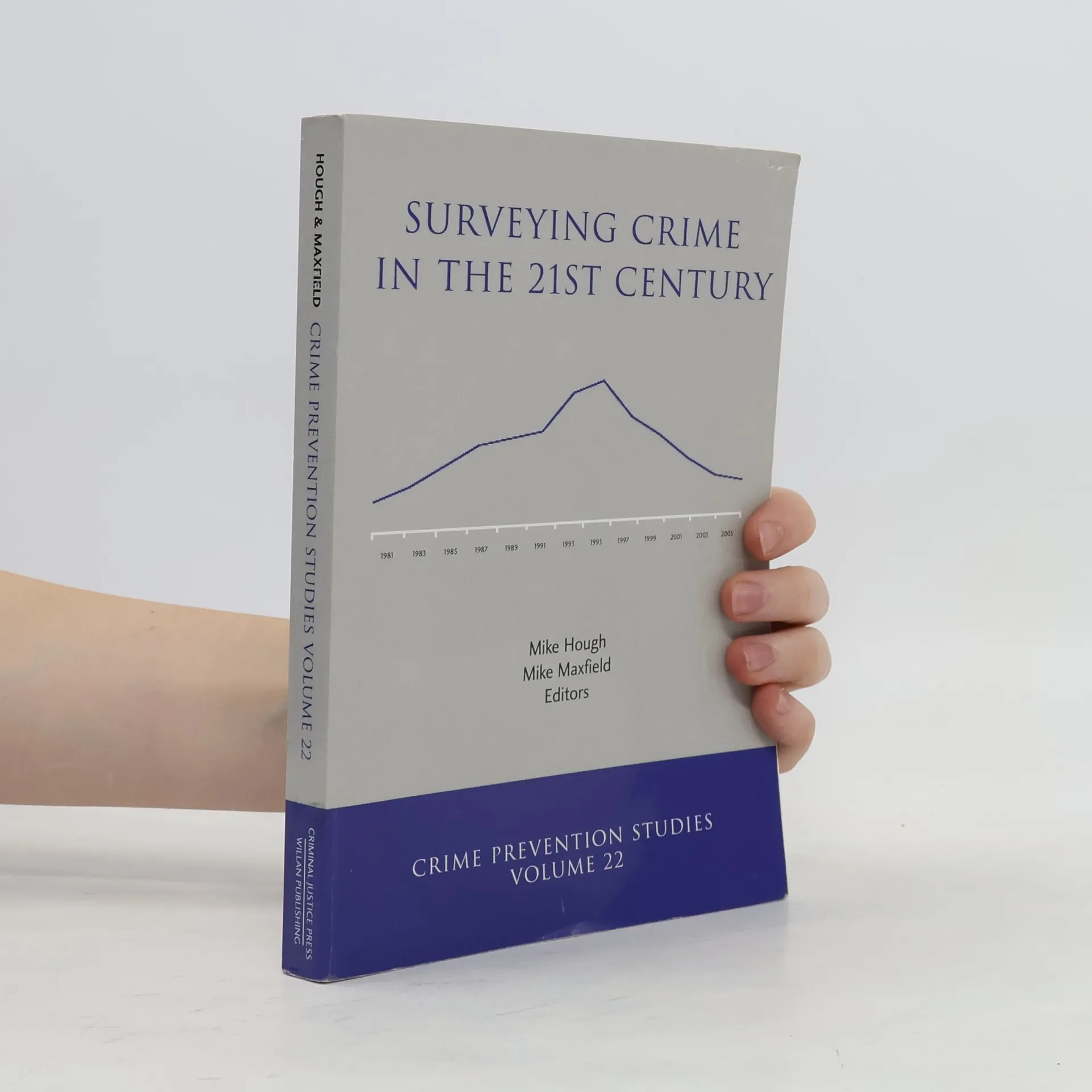
Since its first sweep in 1982, the British Crime Survey - and its counterparts in the US and other nations - have become invaluable sources of data for research and policy development. In this book, chapters by a distinguished international group of scholars describe key findings of national crime surveys in a variety of research and policy areas, including: internationa comparisons of victimization; covariation of victimization and offending; the measurement of police performance; the impact of crime in different types of communities; attitudes to crime and justice; fear of crime; and the unequal distribution of risk. Though national crime surveys have made substantial contributions to knowledge, according to the authors the surveys must adapt to changing circumstances if they are to continue to be of value. Future directions include continuing to incorporate new technology in samples and survey designs; broadening the focus beyond 'normal' crimes and individual victims; and producing better measures of crimes such as fraud, organized crime, corruption and Internet-facilitated crime.
Zakup książki
Surveying Crime in the 21st Century, Michael G. Maxfield, J. M. Hough
- Język

- Rok wydania
- 2007
- Oprawa
- (miękka)
Metody płatności
Nikt jeszcze nie ocenił.
- Tytuł
- Surveying Crime in the 21st Century
- Podtytuł
- Crime Prevention Studies. Volume 22
- Język
- angielski
- Autorzy
- Michael G. Maxfield, J. M. Hough
- Rok wydania
- 2007
- Oprawa
- miękka
- Liczba stron
- 336
- ISBN10
- 1881798755
- ISBN13
- 9781881798750
- Seria
- Tagi
- Badania naukowe, Wskaźnik przestępczości, Kryminologia, Badania społeczne, Zapobieganie przestępczości
- Opis
- Since its first sweep in 1982, the British Crime Survey - and its counterparts in the US and other nations - have become invaluable sources of data for research and policy development. In this book, chapters by a distinguished international group of scholars describe key findings of national crime surveys in a variety of research and policy areas, including: internationa comparisons of victimization; covariation of victimization and offending; the measurement of police performance; the impact of crime in different types of communities; attitudes to crime and justice; fear of crime; and the unequal distribution of risk. Though national crime surveys have made substantial contributions to knowledge, according to the authors the surveys must adapt to changing circumstances if they are to continue to be of value. Future directions include continuing to incorporate new technology in samples and survey designs; broadening the focus beyond 'normal' crimes and individual victims; and producing better measures of crimes such as fraud, organized crime, corruption and Internet-facilitated crime.