


Parametry
Więcej o książce
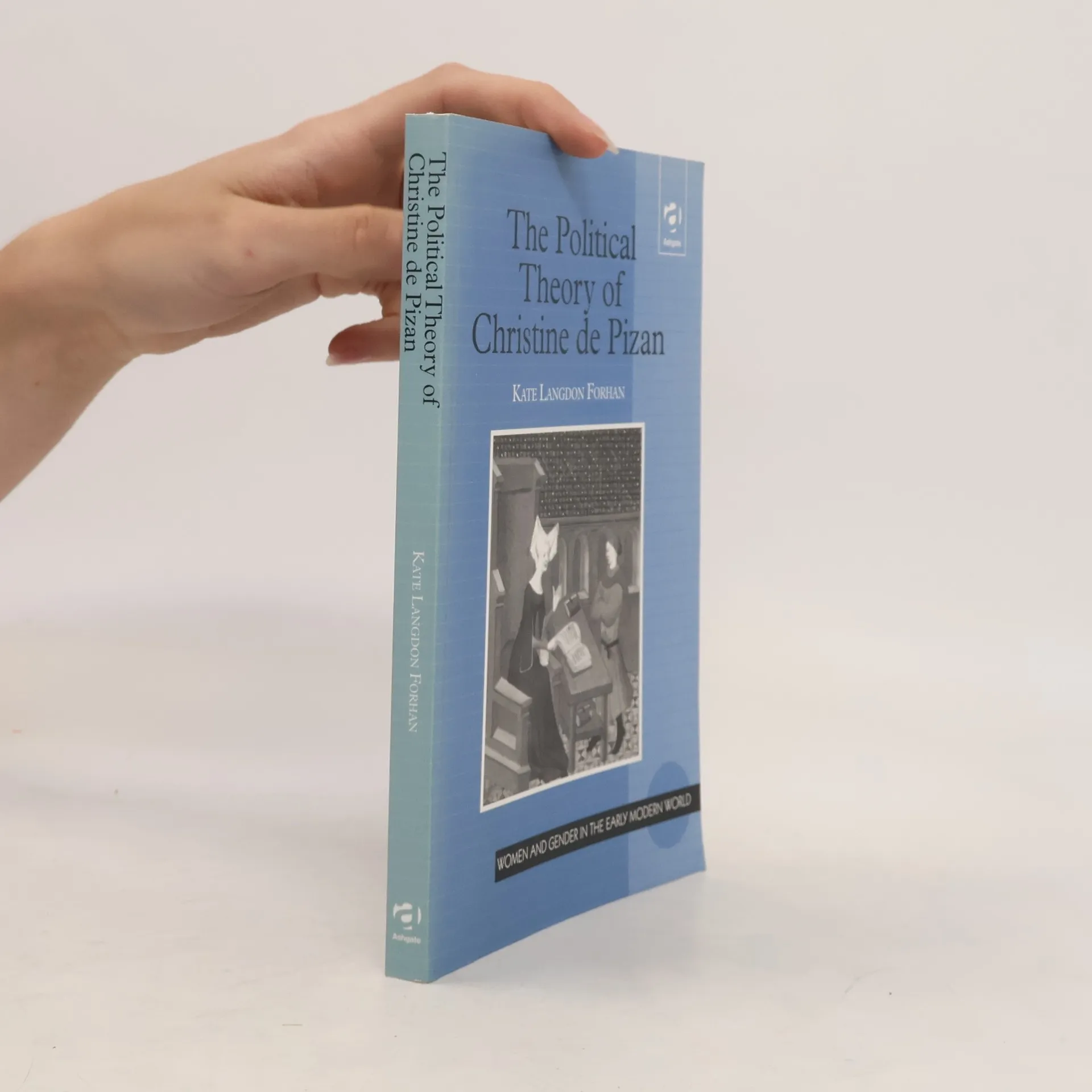
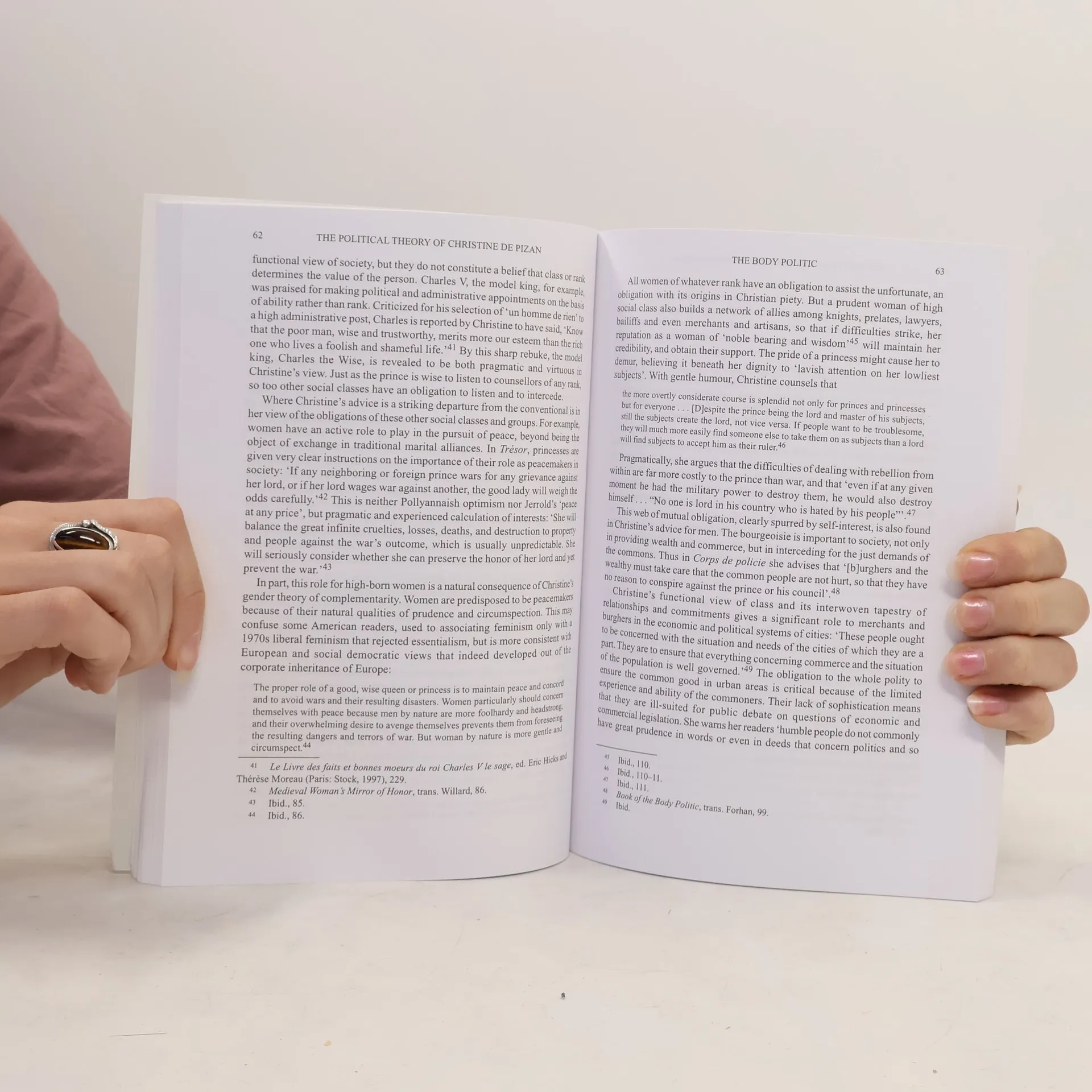
Christine de Pizan held no political office and her work was not influential on any political theorist living today. However, in the disciplines of women's studies and French literature, she has inspired intellectual debate, so much that the two sides of the debate are referred to as Christinophiles and Christinoclasts. This book presents the political paradoxes of Christine de Pizan. She was a woman in a man's world, an Italian at a French court, and the daughter of a civil servant in a world structured by social class. Her corpus of political works includes five works designed to educate the male ruling class, two works expressly for princesses, and a treatise on warfare. The goal of this book is to outline the political theory of Christine de Pizan and situate her ideas within the history of political ideas in general.
Zakup książki
The Political Theory of Christine de Pizan, Kate Langdon Forhan
- Język

- Rok wydania
- 2002
- Oprawa
- (miękka)
Metody płatności
Brakuje nam tutaj Twojej recenzji.
- Tytuł
- The Political Theory of Christine de Pizan
- Język
- angielski
- Autorzy
- Kate Langdon Forhan
- Wydawca
- Ashgate Publishing
- Rok wydania
- 2002
- Oprawa
- miękka
- ISBN10
- 0754601749
- ISBN13
- 9780754601746
- Tagi
- Ocena
- 4 z 5
- Opis
- Christine de Pizan held no political office and her work was not influential on any political theorist living today. However, in the disciplines of women's studies and French literature, she has inspired intellectual debate, so much that the two sides of the debate are referred to as Christinophiles and Christinoclasts. This book presents the political paradoxes of Christine de Pizan. She was a woman in a man's world, an Italian at a French court, and the daughter of a civil servant in a world structured by social class. Her corpus of political works includes five works designed to educate the male ruling class, two works expressly for princesses, and a treatise on warfare. The goal of this book is to outline the political theory of Christine de Pizan and situate her ideas within the history of political ideas in general.