

Więcej o książce
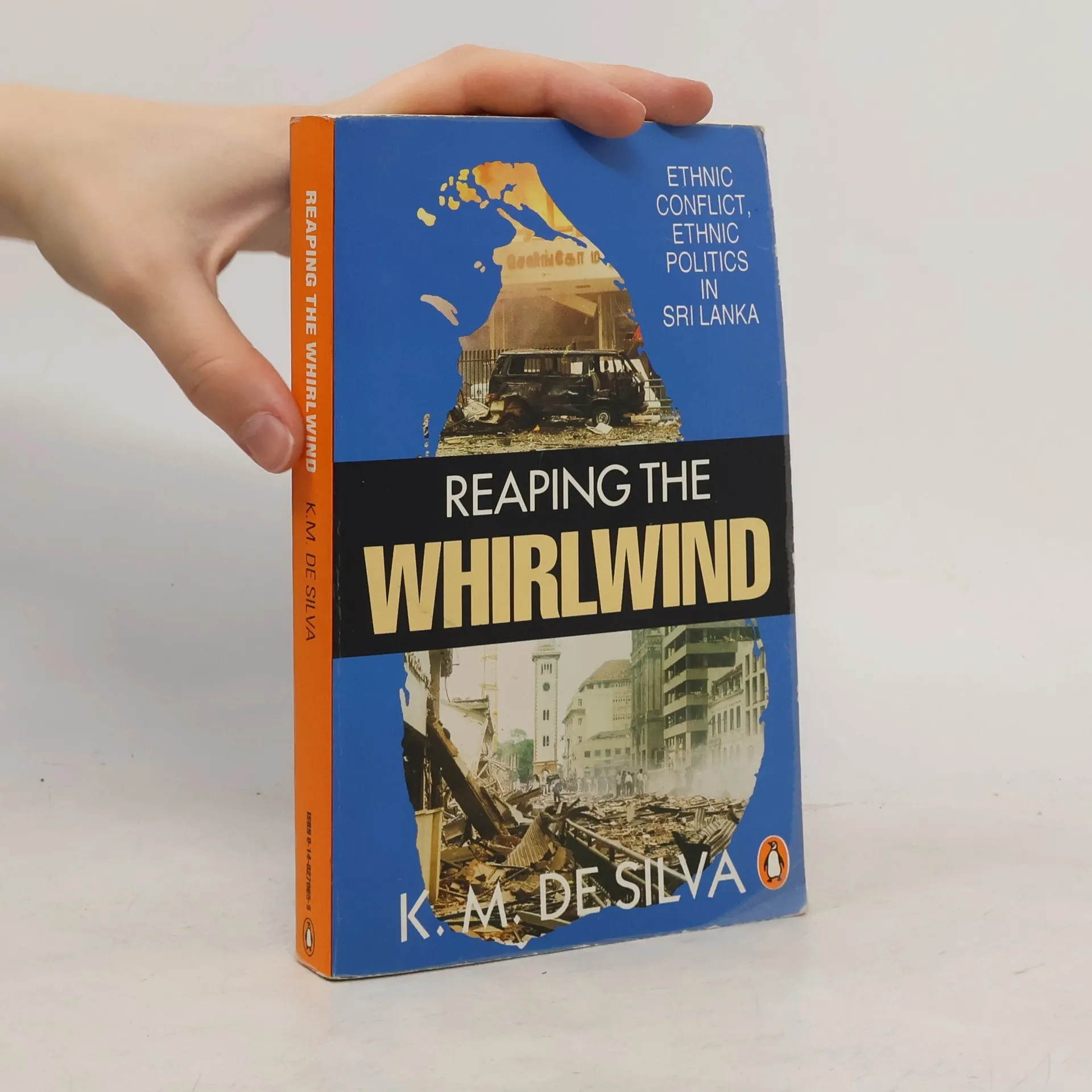
A Critical Analysis Of The Ethnic Conflict In Sri Lanka In The Eighties, Sri Lanka, Once Considered The Model Colony, Was Torn Apart By Ethnic Strife Between The Predominantly Buddhist Sinhalas, Constituting Almost Three-Quarters Of The Island S Inhabitants, And The Numerically Fewer Tamils, Who Were A Mix Of Hindus, Christians And Muslims. Massacres Occurred After The Riots Of May 1983, And Over Time About 1,25,000 Tamils Entered India As Refugees, Fleeing From A Virtual Civil War Which Still Afflicts The North Of The Island. The Author, A Renowned Sri Lankan Analyst Of Global Ethnic Conflict, Discusses The Historical Reasons Behind The Ethnic Violence, Especially The Growth Of The Sinhalas Feeling Of Being A Beleagured Minority Despite Their Numerical Strength. Analysing The Present Conflict, He Shows How The Language Policy Of Sinhala Only , Followed By The Government In The Sixties, Supplanted Religion As A Divisive Factor And How Rivalry Over Educational And Employment Opportunities Fuelled The Schism. Bringing The Story Up To The Present, De Silva Examines The Role Played By Indian And Tamil Nadu Politicians, And President Kumaratunga S Efforts Towards A Devolution Of Power To The Tamil Provinces. But Given The Ltte S Acceptance Of Nothing Less Than Eelam, He Sees Little Hope Of An Early End To The Violence That Has Racked Sri Lanka For Almost Two Decades Now.
Zakup książki
Reaping the Whirlwind, K. M. De Silva
- Język

- Rok wydania
- 1998
Metody płatności
Nikt jeszcze nie ocenił.
- Tytuł
- Reaping the Whirlwind
- Podtytuł
- Ethnic Conflict, Ethnic Politics in Sri Lanka
- Język
- angielski
- Autorzy
- K. M. De Silva
- Wydawca
- Penguin Books India
- Rok wydania
- 1998
- Liczba stron
- 430
- Seria
- Tagi
- Opis
- A Critical Analysis Of The Ethnic Conflict In Sri Lanka In The Eighties, Sri Lanka, Once Considered The Model Colony, Was Torn Apart By Ethnic Strife Between The Predominantly Buddhist Sinhalas, Constituting Almost Three-Quarters Of The Island S Inhabitants, And The Numerically Fewer Tamils, Who Were A Mix Of Hindus, Christians And Muslims. Massacres Occurred After The Riots Of May 1983, And Over Time About 1,25,000 Tamils Entered India As Refugees, Fleeing From A Virtual Civil War Which Still Afflicts The North Of The Island. The Author, A Renowned Sri Lankan Analyst Of Global Ethnic Conflict, Discusses The Historical Reasons Behind The Ethnic Violence, Especially The Growth Of The Sinhalas Feeling Of Being A Beleagured Minority Despite Their Numerical Strength. Analysing The Present Conflict, He Shows How The Language Policy Of Sinhala Only , Followed By The Government In The Sixties, Supplanted Religion As A Divisive Factor And How Rivalry Over Educational And Employment Opportunities Fuelled The Schism. Bringing The Story Up To The Present, De Silva Examines The Role Played By Indian And Tamil Nadu Politicians, And President Kumaratunga S Efforts Towards A Devolution Of Power To The Tamil Provinces. But Given The Ltte S Acceptance Of Nothing Less Than Eelam, He Sees Little Hope Of An Early End To The Violence That Has Racked Sri Lanka For Almost Two Decades Now.