


Parametry
Więcej o książce
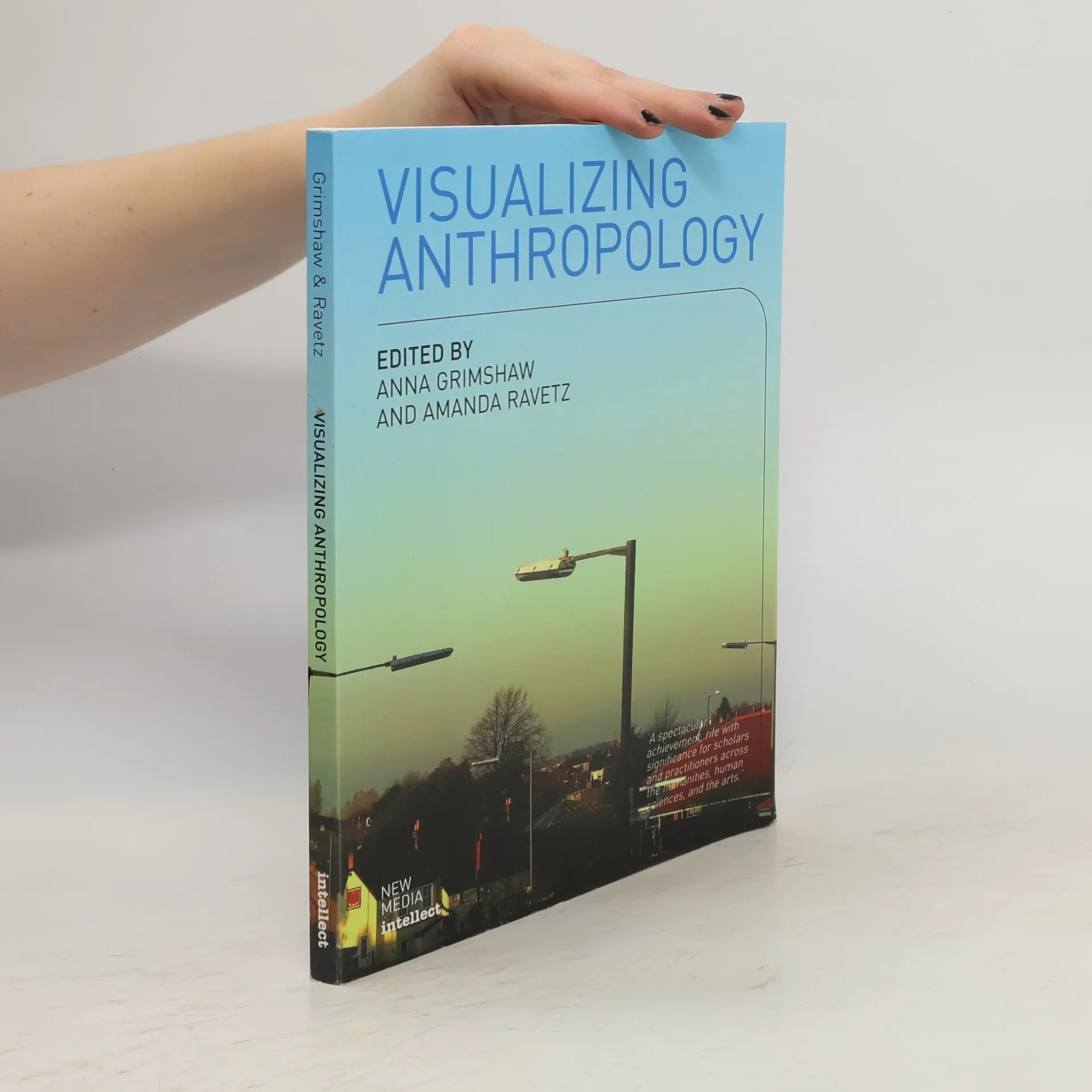
Questions of vision and knowledge are central to debates about the world in which we live. Developing new analytical approaches toward ways of seeing is a key challenge facing those working across a wide range of disciplines. How can visuality be understood on its own terms rather than by means of established textual frameworks? Visualizing Anthropology takes up this challenge. Bringing together a range of perspectives anchored in practice, the book maps experiments in the forms and techniques of visual enquiry.The origins of this collection lie in visual anthropology. Although the field has greatly expanded and diversified, many of the key debates continue to be focused around the textual concerns of the mainstream discipline. In seeking to establish a more genuinely visual anthropology, the editors have sought to forge links with other kinds of image-based projects. Ethnography is the shared space of practice. Understood not as a specialized method but as cultural critique, the book explores new collaborative possibilities linked to image-based work.
Zakup książki
Visualizing Anthropology, Amanda Ravetz, Anna Grimshaw
- Język

- Rok wydania
- 2004
- Oprawa
- (miękka)
Metody płatności
Brakuje nam tutaj Twojej recenzji.
- Tytuł
- Visualizing Anthropology
- Język
- angielski
- Autorzy
- Amanda Ravetz, Anna Grimshaw
- Wydawca
- Intellect Ltd
- Rok wydania
- 2004
- Oprawa
- miękka
- ISBN10
- 1841501123
- ISBN13
- 9781841501123
- Seria
- Kategorie
- Ocena
- 4,5 z 5
- Opis
- Questions of vision and knowledge are central to debates about the world in which we live. Developing new analytical approaches toward ways of seeing is a key challenge facing those working across a wide range of disciplines. How can visuality be understood on its own terms rather than by means of established textual frameworks? Visualizing Anthropology takes up this challenge. Bringing together a range of perspectives anchored in practice, the book maps experiments in the forms and techniques of visual enquiry.The origins of this collection lie in visual anthropology. Although the field has greatly expanded and diversified, many of the key debates continue to be focused around the textual concerns of the mainstream discipline. In seeking to establish a more genuinely visual anthropology, the editors have sought to forge links with other kinds of image-based projects. Ethnography is the shared space of practice. Understood not as a specialized method but as cultural critique, the book explores new collaborative possibilities linked to image-based work.