

Parametry
Więcej o książce
In 1944 Ismat Chughtai successfully defended herself before the Imperial Crown Court against a charge of obscenity for her short story Lihaaf - The Quilt. The narrator of this story, a precocious nine-year old child, is sent to visit an aunt. This aunt, ignored by a husband whose only interest seems to lie in entertaining slim-waisted young boys, suffers from a relentless bodily itch, an itch, her niece discovers, no doctor can cure and only her maidservant can relieve. Frank and often wickedly comic, Chughtai's stories were the imaginative core of her life's work, drawn from memories of the sprawling Muslim household of her childhood. With her mastery of the spoken language, economy of form, and her fine eye for the details of the intricate and hidden world of women's experience, Chughtai captured the evolving conflicts of Muslim India. Her exploration of the myriad and subtle tyrannies of middle-class gentility, and, equally, of those unexpected moments of sexual liberation and spirit, is unrivalled in contemporary Urdu literature.
Zakup książki
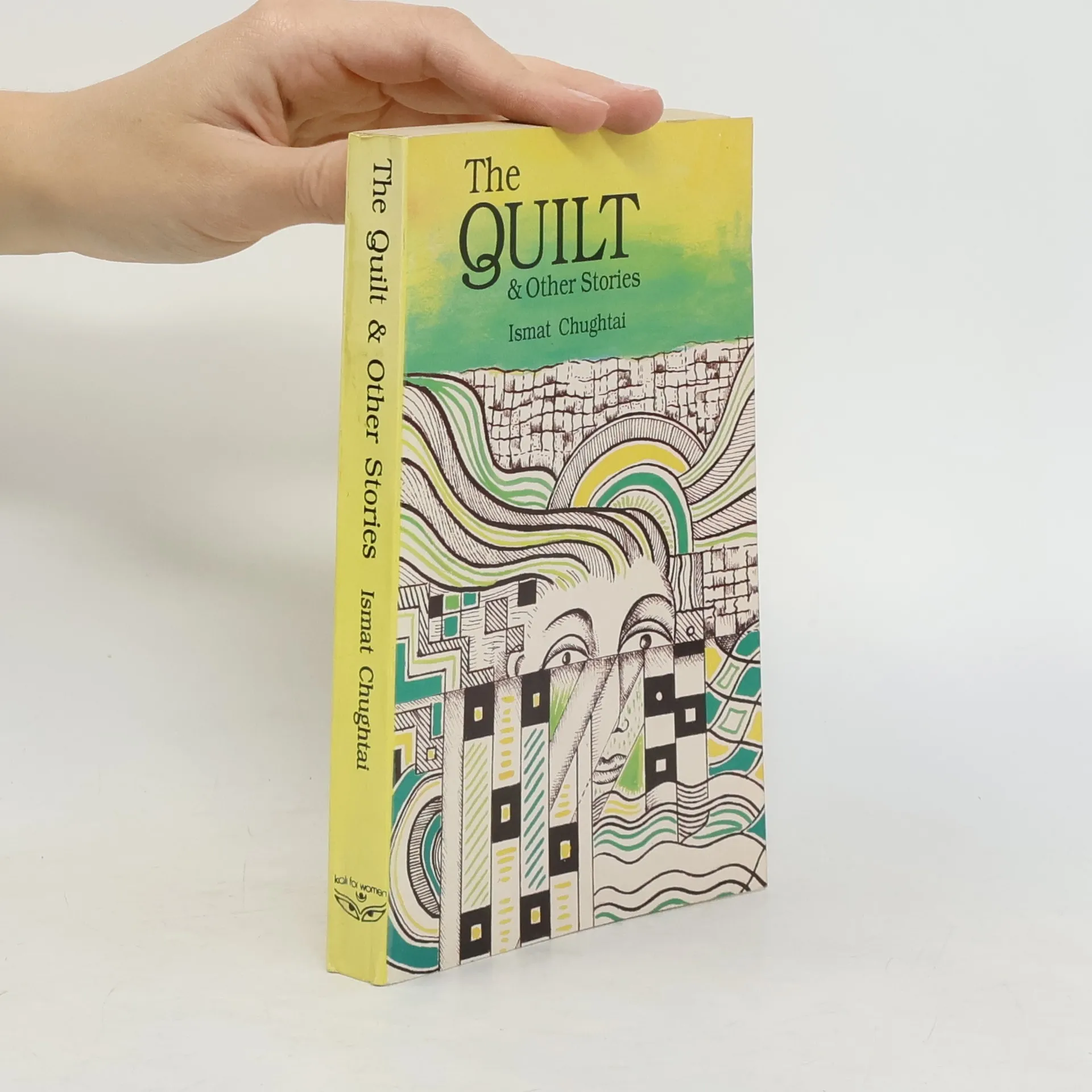
The Quilt & Other Stories, Ismat Chughtai
- Język

- Rok wydania
- 1990
- Oprawa
- (miękka)
Metody płatności
Brakuje nam tutaj Twojej recenzji.
- Tytuł
- The Quilt & Other Stories
- Język
- angielski
- Autorzy
- Ismat Chughtai
- Rok wydania
- 1990
- Oprawa
- miękka
- ISBN10
- 8185107106
- ISBN13
- 9788185107103
- Seria
- Kategorie
- Ocena
- 4,1 z 5
- Opis
- In 1944 Ismat Chughtai successfully defended herself before the Imperial Crown Court against a charge of obscenity for her short story Lihaaf - The Quilt. The narrator of this story, a precocious nine-year old child, is sent to visit an aunt. This aunt, ignored by a husband whose only interest seems to lie in entertaining slim-waisted young boys, suffers from a relentless bodily itch, an itch, her niece discovers, no doctor can cure and only her maidservant can relieve. Frank and often wickedly comic, Chughtai's stories were the imaginative core of her life's work, drawn from memories of the sprawling Muslim household of her childhood. With her mastery of the spoken language, economy of form, and her fine eye for the details of the intricate and hidden world of women's experience, Chughtai captured the evolving conflicts of Muslim India. Her exploration of the myriad and subtle tyrannies of middle-class gentility, and, equally, of those unexpected moments of sexual liberation and spirit, is unrivalled in contemporary Urdu literature.