

Więcej o książce
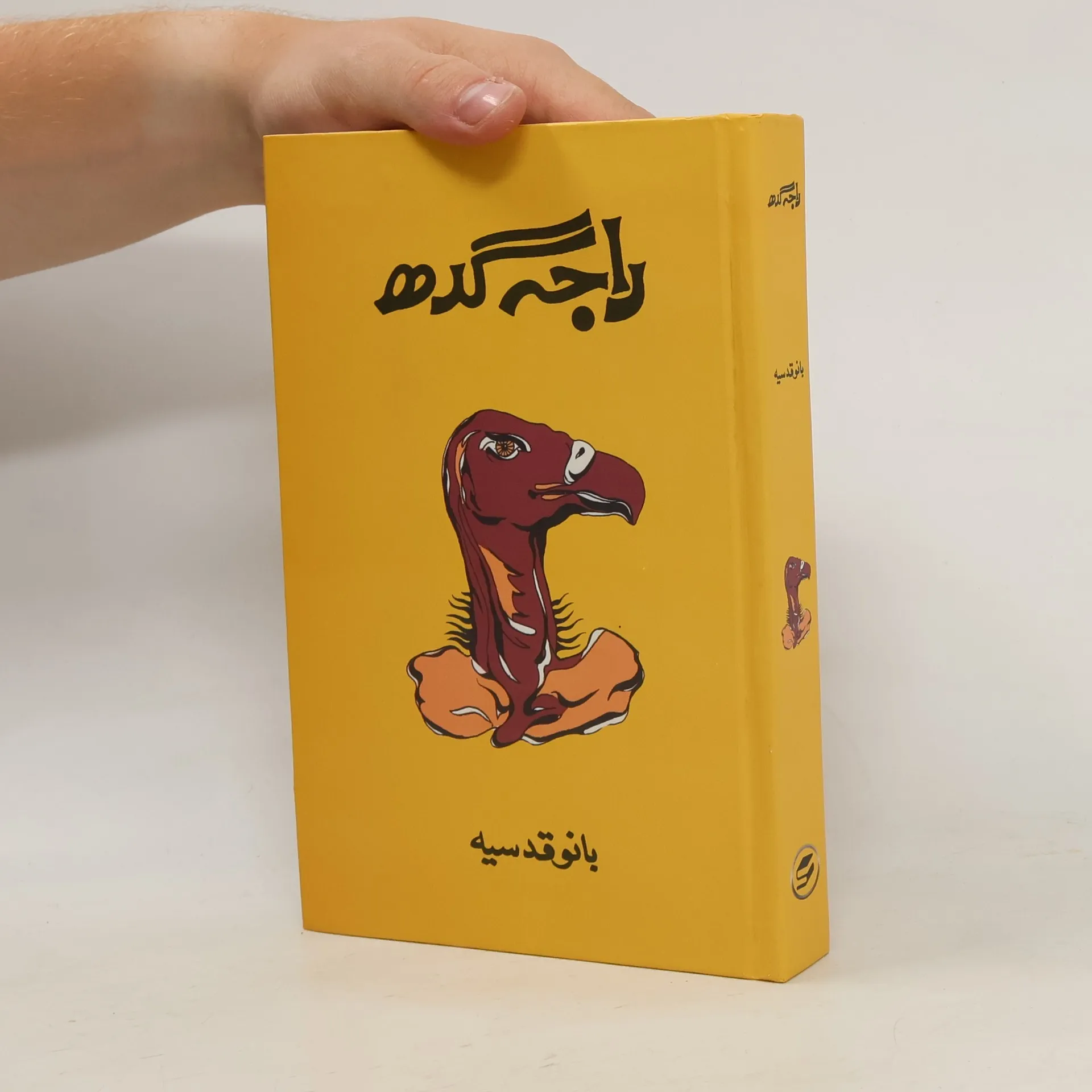
Raja Gidh by Bano Qudsia is a renowned Urdu novel that explores complex themes through the allegorical tale of a kingdom of vultures, symbolizing the ethical boundaries transgressed by society and religion. The title reflects the notion of vultures feeding on carcasses, paralleling the pursuit of Haraam (forbidden) and Halaal (permissible) in life. Many readers interpret the work as a sermon on the hereditary transmission of Haraam traits, suggesting that the pursuit of unethical desires—financial, moral, or emotional—leads to a deterioration of normality, potentially affecting future generations. The novel also delves into social, emotional, and psychological dimensions, capturing the nostalgia of Lahore's Government College and Lawrence Garden during the 1970s and 80s. Qudsia's careful prose maintains a fluid narrative, presenting characters with depth rather than clear moral dichotomies. Readers familiar with a Pakistani academic setting may find reflections of themselves in the characters. The plot centers on Seemin Shah, an upper middle-class girl who falls for her classmate Aftab, a Kashmiri from a business family. Despite their mutual affection, Aftab succumbs to familial pressures, marrying someone else and moving to London, leading to a poignant story of separation.
Zakup książki
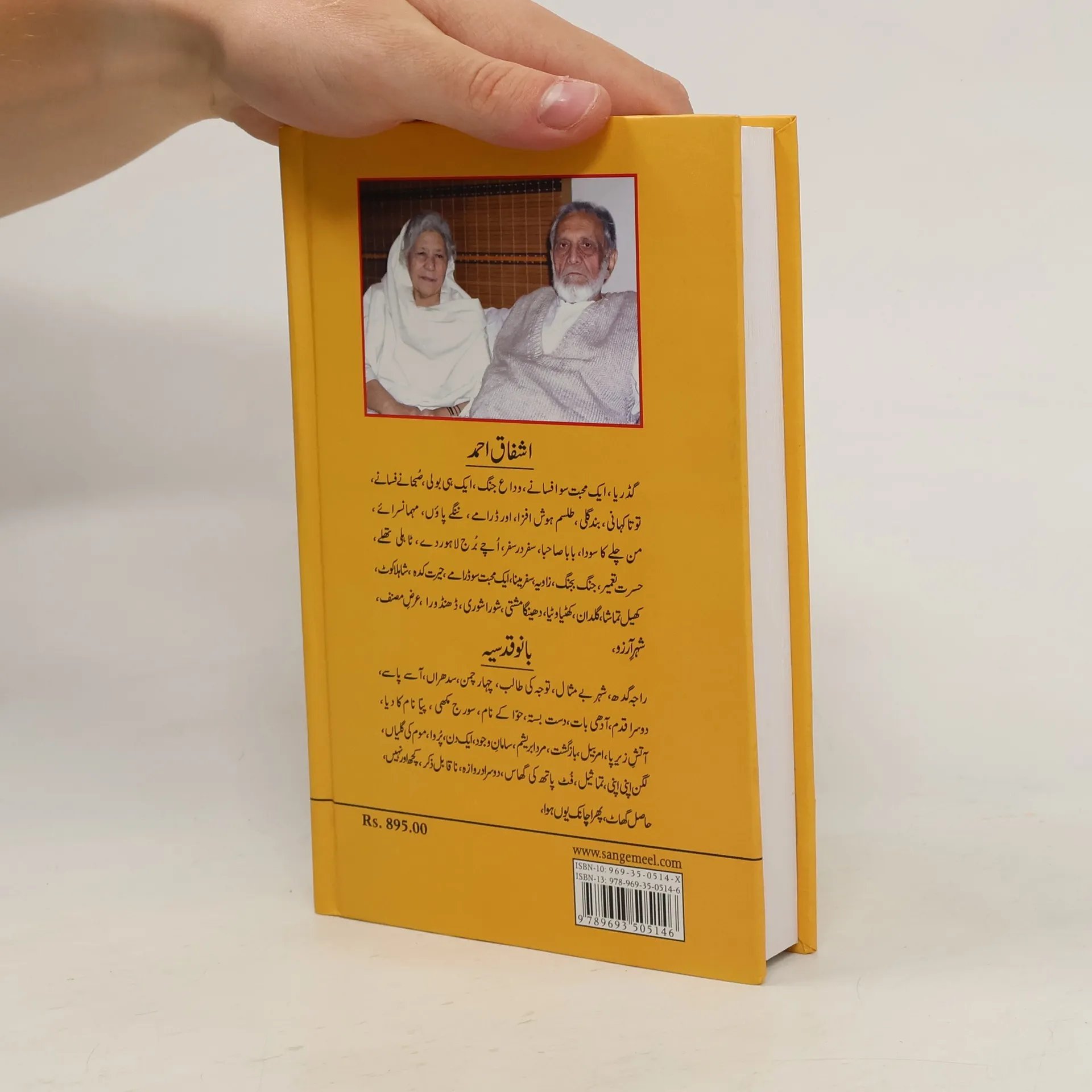
Raja Gidh / راجه گدھ, Banoo Qudsia
- Język

- Rok wydania
- 2015
- Oprawa
- (twarda)
Metody płatności
Brakuje nam tutaj Twojej recenzji.
- Tytuł
- Raja Gidh / راجه گدھ
- Język
- urdu
- Autorzy
- Banoo Qudsia
- Wydawca
- Sang-e-Meel Publications
- Rok wydania
- 2015
- Oprawa
- twarda
- Liczba stron
- 564
- ISBN10
- 969350514X
- ISBN13
- 9789693505146
- Seria
- Ocena
- 4,2 z 5
- Opis
- Raja Gidh by Bano Qudsia is a renowned Urdu novel that explores complex themes through the allegorical tale of a kingdom of vultures, symbolizing the ethical boundaries transgressed by society and religion. The title reflects the notion of vultures feeding on carcasses, paralleling the pursuit of Haraam (forbidden) and Halaal (permissible) in life. Many readers interpret the work as a sermon on the hereditary transmission of Haraam traits, suggesting that the pursuit of unethical desires—financial, moral, or emotional—leads to a deterioration of normality, potentially affecting future generations. The novel also delves into social, emotional, and psychological dimensions, capturing the nostalgia of Lahore's Government College and Lawrence Garden during the 1970s and 80s. Qudsia's careful prose maintains a fluid narrative, presenting characters with depth rather than clear moral dichotomies. Readers familiar with a Pakistani academic setting may find reflections of themselves in the characters. The plot centers on Seemin Shah, an upper middle-class girl who falls for her classmate Aftab, a Kashmiri from a business family. Despite their mutual affection, Aftab succumbs to familial pressures, marrying someone else and moving to London, leading to a poignant story of separation.