


Więcej o książce
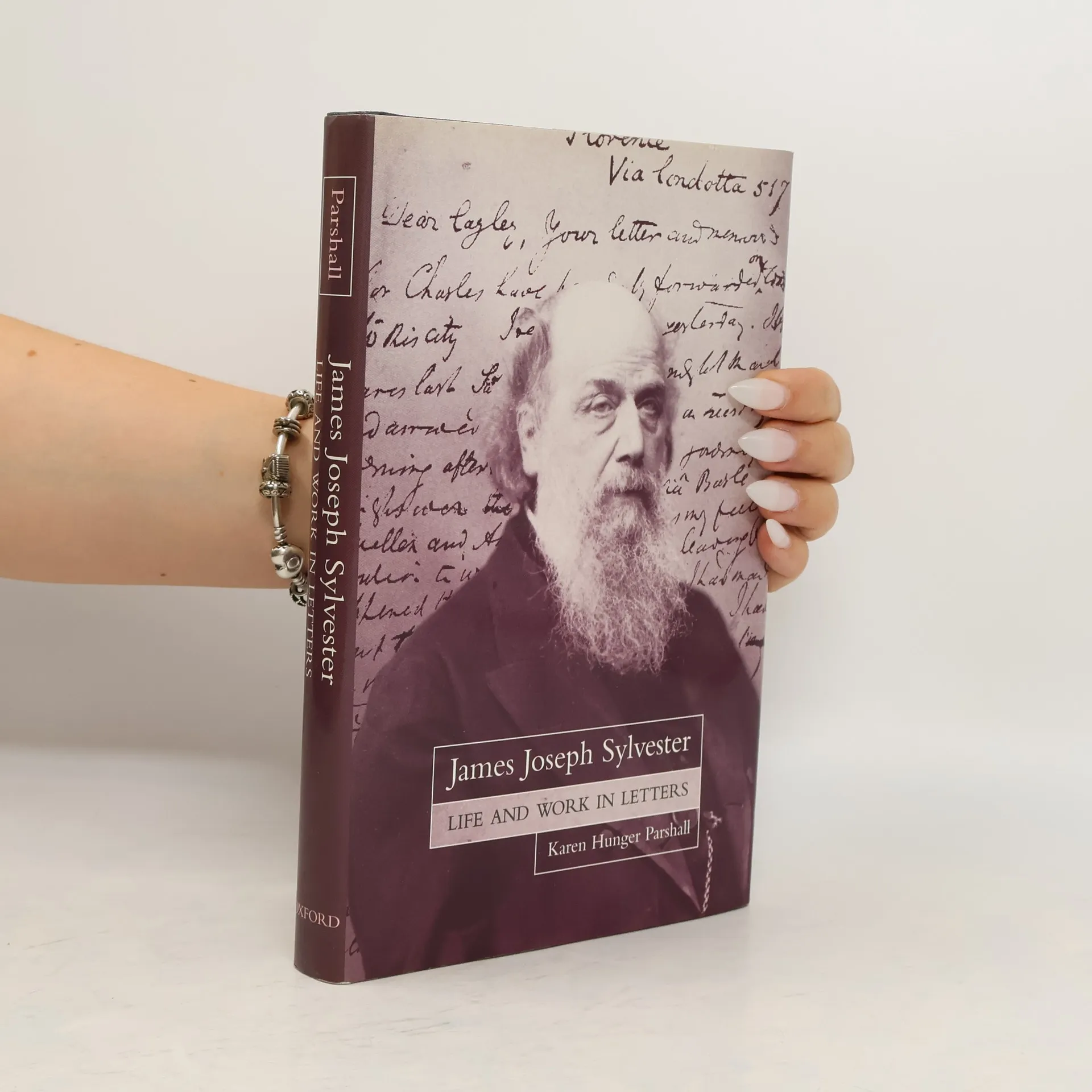
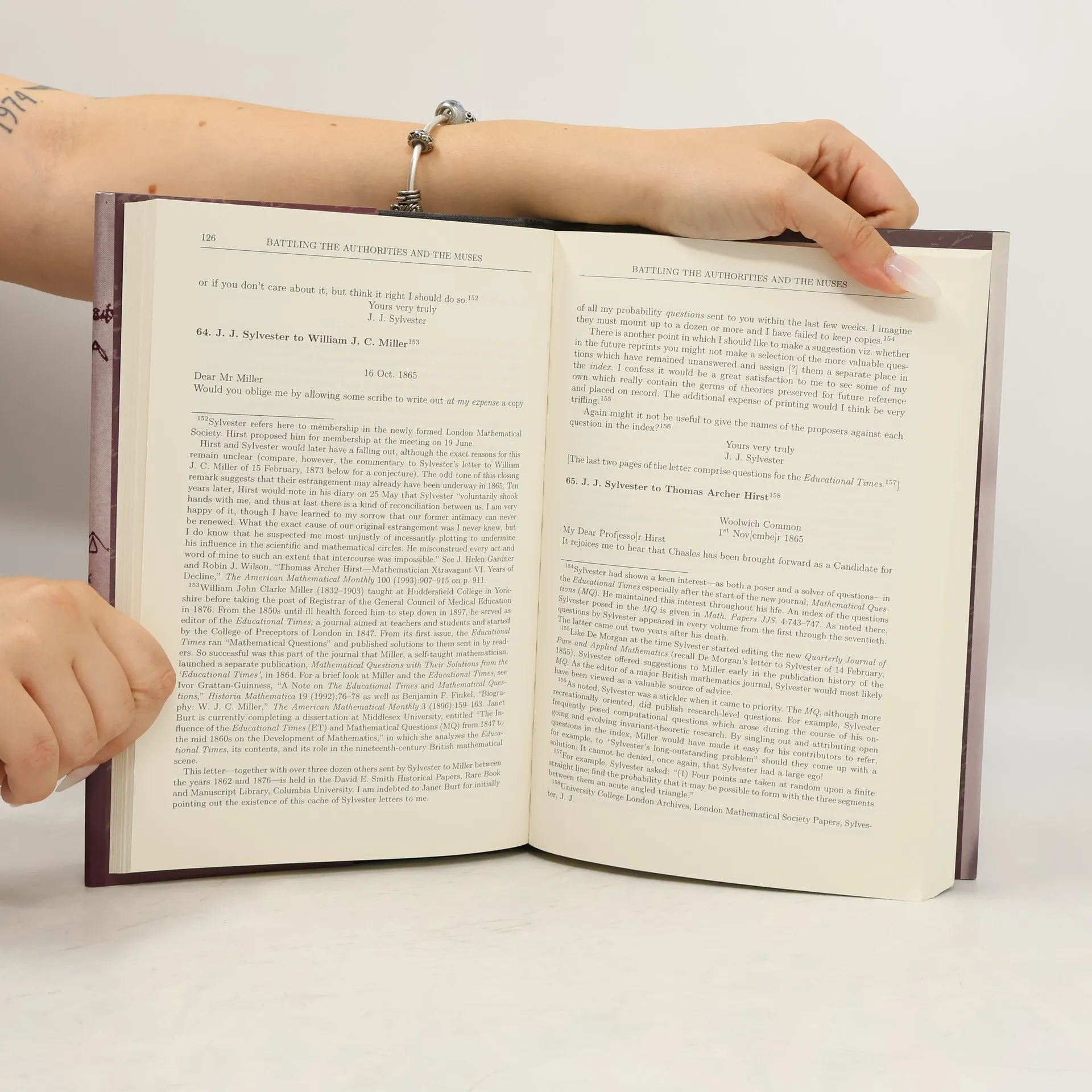
In the folklore of mathematics, James Joseph Sylvester (1814-1897) is the eccentric, hot-tempered, sword-cane-wielding, nineteenth-century British Jew who, together with the taciturn Arthur Cayley, developed a theory and language of invariants that then died spectacularly in the 1890s as a result of David Hilbert's groundbreaking, `modern' techniques. This, like all folklore, has some grounding in fact but owes much to fiction. The present volume brings together for the first time 140 letters from Sylvester's correspondence in an effort to establish a truer picture. Providing detailed mathematical and historical commentary, the author describes Sylvester in his diverse roles--friend, man of principle, mathematician, poet, professor, scientific activist, social observer, and traveller--and provides a close look at Sylvester's ideas and thought processes. The complex portrait that emerges offers deep insights on both the professional and personal lives of mathematicians.
Zakup książki
James Joseph Sylvester, Karen Hunger Parshall
- Język

- Rok wydania
- 1998
- Oprawa
- (twarda)
Metody płatności
Nikt jeszcze nie ocenił.
- Tytuł
- James Joseph Sylvester
- Podtytuł
- Life and Work in Letters
- Język
- angielski
- Autorzy
- Karen Hunger Parshall
- Wydawca
- Clarendon Press
- Rok wydania
- 1998
- Oprawa
- twarda
- Liczba stron
- 340
- ISBN10
- 0198503911
- ISBN13
- 9780198503910
- Seria
- Kategorie
- Opis
- In the folklore of mathematics, James Joseph Sylvester (1814-1897) is the eccentric, hot-tempered, sword-cane-wielding, nineteenth-century British Jew who, together with the taciturn Arthur Cayley, developed a theory and language of invariants that then died spectacularly in the 1890s as a result of David Hilbert's groundbreaking, `modern' techniques. This, like all folklore, has some grounding in fact but owes much to fiction. The present volume brings together for the first time 140 letters from Sylvester's correspondence in an effort to establish a truer picture. Providing detailed mathematical and historical commentary, the author describes Sylvester in his diverse roles--friend, man of principle, mathematician, poet, professor, scientific activist, social observer, and traveller--and provides a close look at Sylvester's ideas and thought processes. The complex portrait that emerges offers deep insights on both the professional and personal lives of mathematicians.