

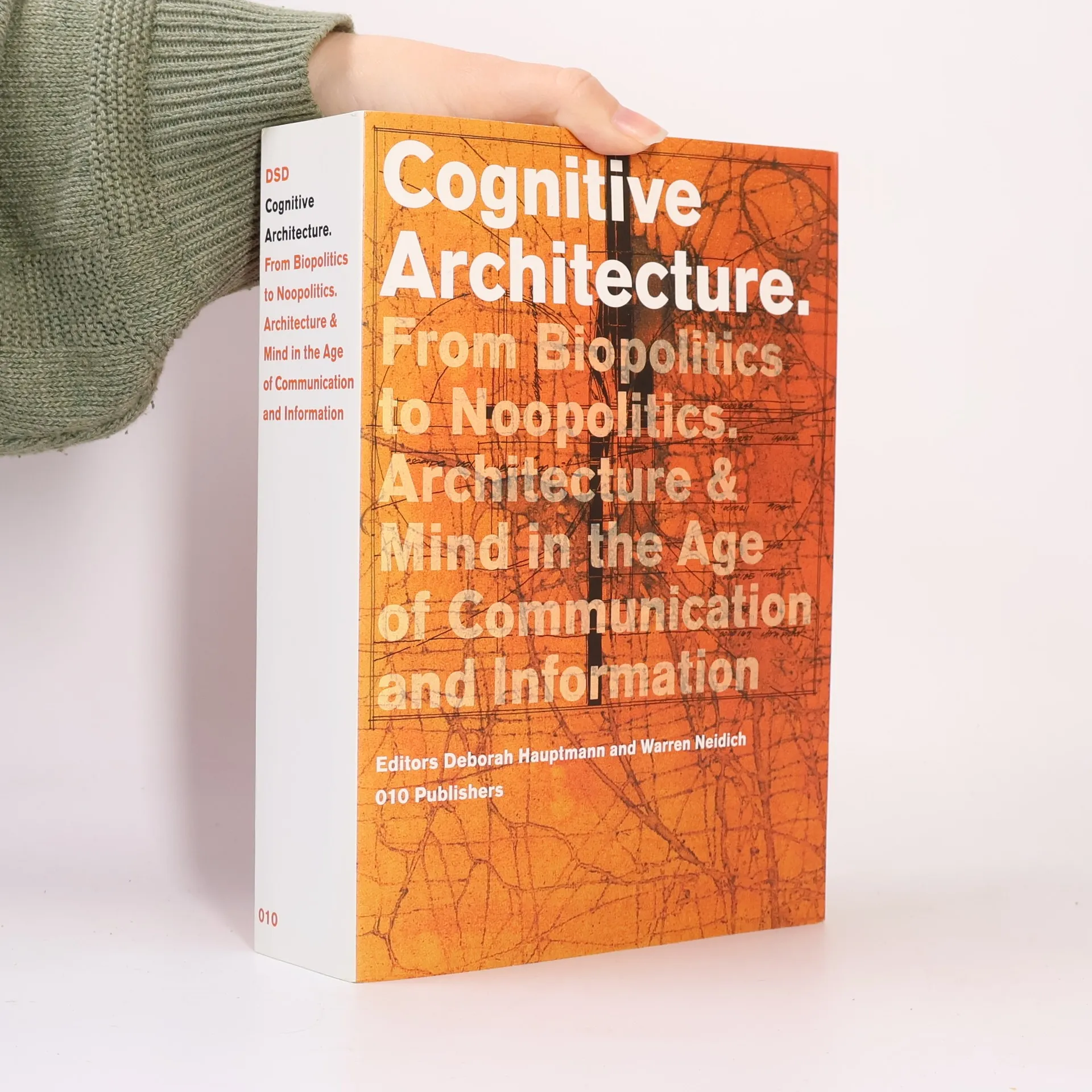


Cognitive Architecture
From Bio-Politics to Noo-Politics; Architecture & Mind in the Age of Communication and Information
Ocena książki
Parametry
- 588 stron
- 21 godzin czytania
Więcej o książce
"Cognitive architecture questions how evolving modalities - from biopolitics to noopolitics - can be mapped upon the city under contemporary conditions of urbanization and globalization. Noopolitics, most broadly understood as a power exerted over the life of the mind, re-configures perception, memory and attention, and also implicates potential ways and means by which neurobiological architecture is undergoing reconfigurations. This volume, motivated by theories such as 'cognitive capitalism' and concepts such as 'neural plasticity', shows how architecture and urban processes and products commingle to form complex systems that produce novel forms of networks that empower the imagination and constitute the cultural landscape. This volume rethinks the relations between form and forms of communication, calling for a new logic of representation; it examines the manner in which information, with its non-hierarchical and distributed format is contributing both to the sculpting of brain and production of mind."--P. 4 of cover.
Zakup książki
Cognitive Architecture, Deborah Hauptmann, Warren Neidich
- Język

- Rok wydania
- 2010
- Oprawa
- (miękka)
Metody płatności
Brakuje nam tutaj Twojej recenzji.
- Tytuł
- Cognitive Architecture
- Podtytuł
- From Bio-Politics to Noo-Politics; Architecture & Mind in the Age of Communication and Information
- Język
- angielski
- Autorzy
- Deborah Hauptmann, Warren Neidich
- Wydawca
- 010 Publishers
- Rok wydania
- 2010
- Oprawa
- miękka
- Liczba stron
- 588
- ISBN10
- 9064507252
- ISBN13
- 9789064507250
- Seria
- Kategorie
- Ocena
- 4,5 z 5
- Opis
- "Cognitive architecture questions how evolving modalities - from biopolitics to noopolitics - can be mapped upon the city under contemporary conditions of urbanization and globalization. Noopolitics, most broadly understood as a power exerted over the life of the mind, re-configures perception, memory and attention, and also implicates potential ways and means by which neurobiological architecture is undergoing reconfigurations. This volume, motivated by theories such as 'cognitive capitalism' and concepts such as 'neural plasticity', shows how architecture and urban processes and products commingle to form complex systems that produce novel forms of networks that empower the imagination and constitute the cultural landscape. This volume rethinks the relations between form and forms of communication, calling for a new logic of representation; it examines the manner in which information, with its non-hierarchical and distributed format is contributing both to the sculpting of brain and production of mind."--P. 4 of cover.