

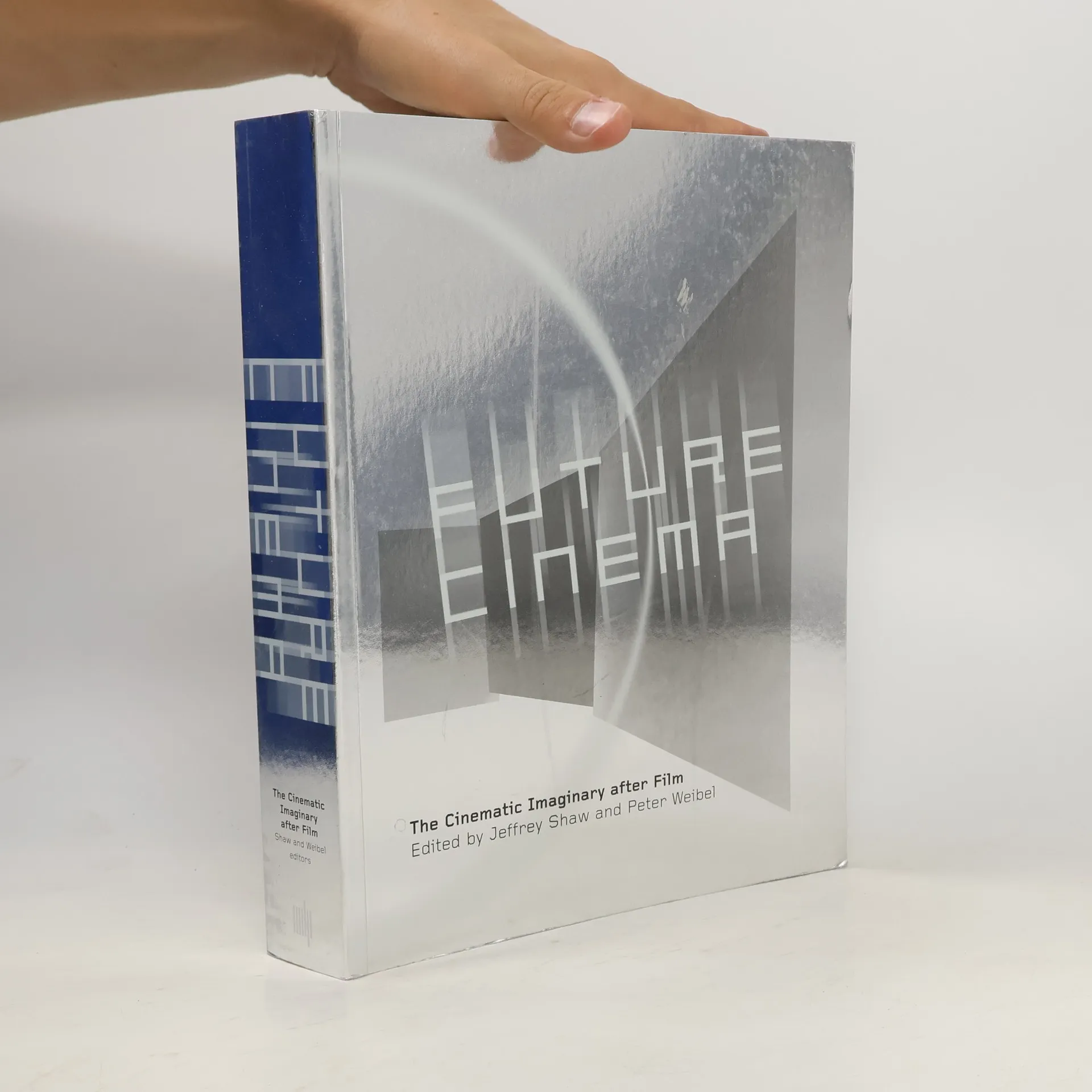


Electronic Culture: History, Theory, and Practice: Future Cinema
The Cinematic Imaginary After Film
Autorzy
Ocena książki
Parametry
- 640 stron
- 23 godziny czytania
Więcej o książce
Throughout cinema's history, a radical avant-garde has existed on the fringes of the film industry. While much research has focused on the pre- and early history of cinema, speculation about a future cinema incorporating new electronic media has been limited. Electronic media have fundamentally transformed cinema, altering its role as a witness to reality by creating "realities" not necessarily tied to documentation, engineering environments that engage audiences as participants, and blending realities and narratives in ways traditional cinema cannot. This hybrid cinema combines montage, traditional cinema, experimental literature, television, video, and the internet. The emergence of these new cinematic forms indicates that traditional cinema struggles to represent events that are complex configurations of experience, interpretation, and interaction. This book, accompanying an exhibition by the ZKM Institute for Visual Media, delves into the history and significance of pre-cinema and early experimental cinema, as well as the unique theaters that fostered "immersion." Drawing on diverse scholarship, it explores the transition from monolithic Hollywood spectacles to works that investigate interactive, performative, and net-based cinemas. The post-cinematic condition, as discussed, has deep roots in artistic practice and impacts every communication channel.
Zakup książki
Electronic Culture: History, Theory, and Practice: Future Cinema, Jeffrey Shaw, Peter Weibel
- Język

- Rok wydania
- 2003
- Oprawa
- (miękka)
Metody płatności
Brakuje nam tutaj Twojej recenzji.
- Tytuł
- Electronic Culture: History, Theory, and Practice: Future Cinema
- Podtytuł
- The Cinematic Imaginary After Film
- Język
- angielski
- Autorzy
- Jeffrey Shaw, Peter Weibel
- Wydawca
- MIT Press
- Rok wydania
- 2003
- Oprawa
- miękka
- Liczba stron
- 640
- ISBN10
- 0262692864
- ISBN13
- 9780262692861
- Seria
- Kategorie
- Tagi
- Tematy historyczne, Tematyka filozoficzna, Technologia, Tematyka filmowa, Media & Komunikacja medialna
- Ocena
- 3,75 z 5
- Opis
- Throughout cinema's history, a radical avant-garde has existed on the fringes of the film industry. While much research has focused on the pre- and early history of cinema, speculation about a future cinema incorporating new electronic media has been limited. Electronic media have fundamentally transformed cinema, altering its role as a witness to reality by creating "realities" not necessarily tied to documentation, engineering environments that engage audiences as participants, and blending realities and narratives in ways traditional cinema cannot. This hybrid cinema combines montage, traditional cinema, experimental literature, television, video, and the internet. The emergence of these new cinematic forms indicates that traditional cinema struggles to represent events that are complex configurations of experience, interpretation, and interaction. This book, accompanying an exhibition by the ZKM Institute for Visual Media, delves into the history and significance of pre-cinema and early experimental cinema, as well as the unique theaters that fostered "immersion." Drawing on diverse scholarship, it explores the transition from monolithic Hollywood spectacles to works that investigate interactive, performative, and net-based cinemas. The post-cinematic condition, as discussed, has deep roots in artistic practice and impacts every communication channel.