

Więcej o książce
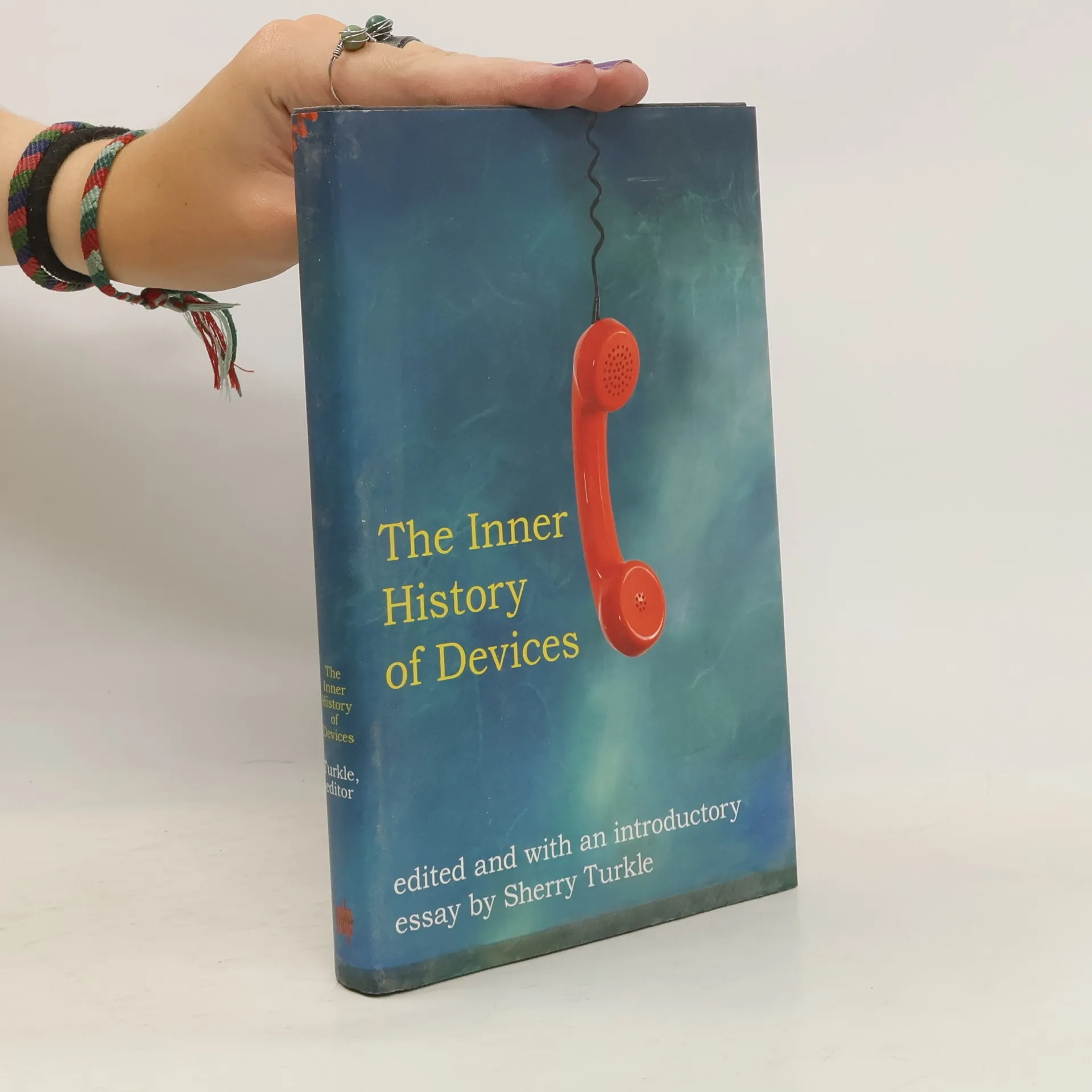
For over two decades, Sherry Turkle has explored how technology shapes our private lives in landmark studies. In her latest work, she reveals her process of understanding how our creations influence our self-perception, combining the perspectives of memoirist, clinician, and ethnographer to craft an inner history of devices. The narrative covers a range of objects, from cell phones and video poker to prosthetic eyes and dialysis machines. Turkle advocates for an "intimate ethnography" that questions conventional beliefs. One personal computer owner expresses a profound connection, stating, "This computer means everything to me. It's where I put my hope." This prompts Turkle to shift her inquiry from how computers are used to what makes them so deeply meaningful. The work invites readers to listen for deeper insights, presenting stories of an American student reconciling her identities through a cell phone used in Japan, a patient using email to navigate her relationship with her therapist, and a compulsive gambler who prefers the unpredictability of video poker. Through these narratives, we uncover untold stories and recognize that conventional wisdom often falls short in capturing the complexities of our interactions with technology.
Zakup książki
The Inner History of Devices, Sherry Turkle
- Język

- Rok wydania
- 2008
- Oprawa
- (twarda)
Metody płatności
Brakuje nam tutaj Twojej recenzji.
- Tytuł
- The Inner History of Devices
- Język
- angielski
- Autorzy
- Sherry Turkle
- Wydawca
- MIT Press
- Rok wydania
- 2008
- Oprawa
- twarda
- Liczba stron
- 208
- ISBN10
- 0262201763
- ISBN13
- 9780262201766
- Seria
- Kategorie
- Ocena
- 3,85 z 5
- Opis
- For over two decades, Sherry Turkle has explored how technology shapes our private lives in landmark studies. In her latest work, she reveals her process of understanding how our creations influence our self-perception, combining the perspectives of memoirist, clinician, and ethnographer to craft an inner history of devices. The narrative covers a range of objects, from cell phones and video poker to prosthetic eyes and dialysis machines. Turkle advocates for an "intimate ethnography" that questions conventional beliefs. One personal computer owner expresses a profound connection, stating, "This computer means everything to me. It's where I put my hope." This prompts Turkle to shift her inquiry from how computers are used to what makes them so deeply meaningful. The work invites readers to listen for deeper insights, presenting stories of an American student reconciling her identities through a cell phone used in Japan, a patient using email to navigate her relationship with her therapist, and a compulsive gambler who prefers the unpredictability of video poker. Through these narratives, we uncover untold stories and recognize that conventional wisdom often falls short in capturing the complexities of our interactions with technology.