

Więcej o książce
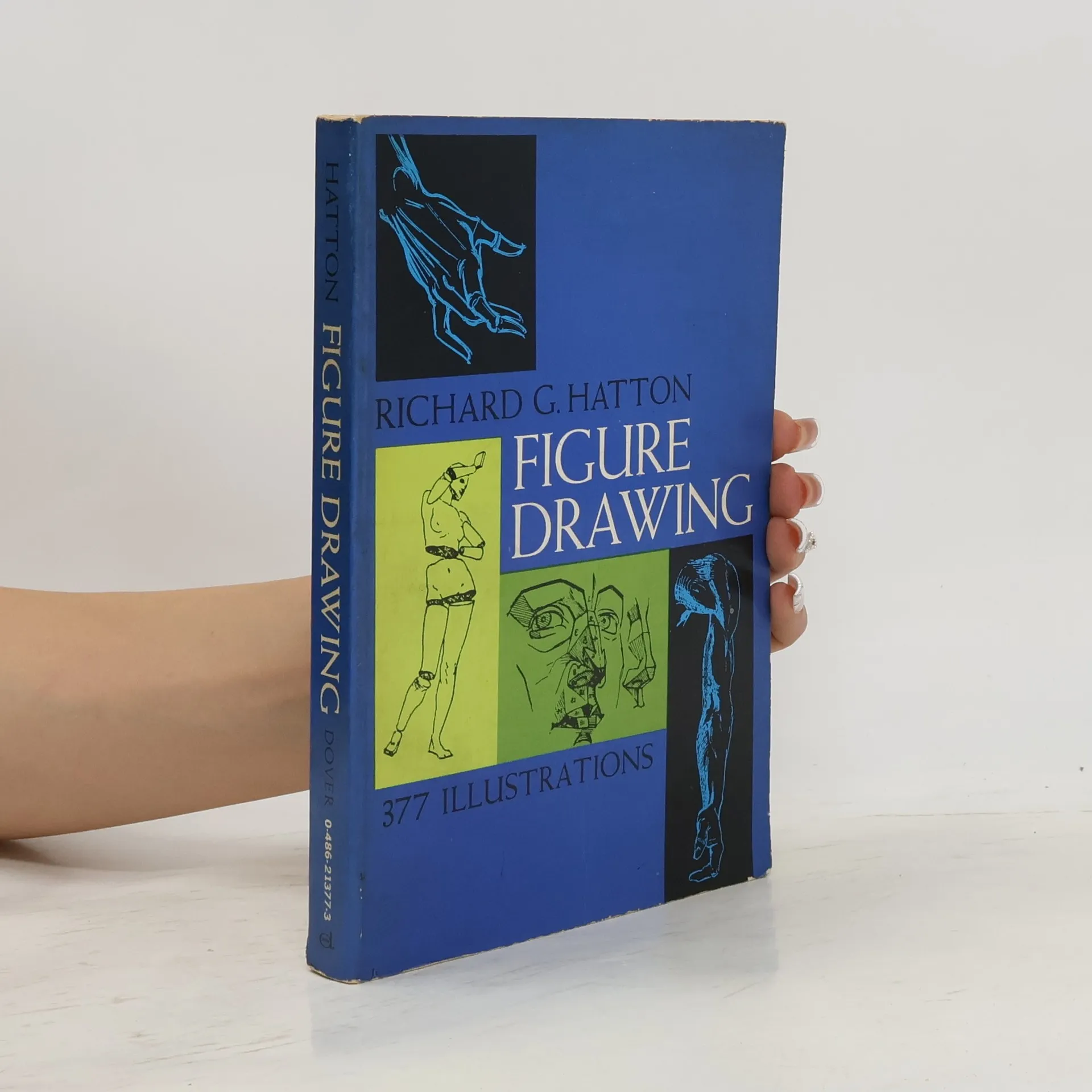
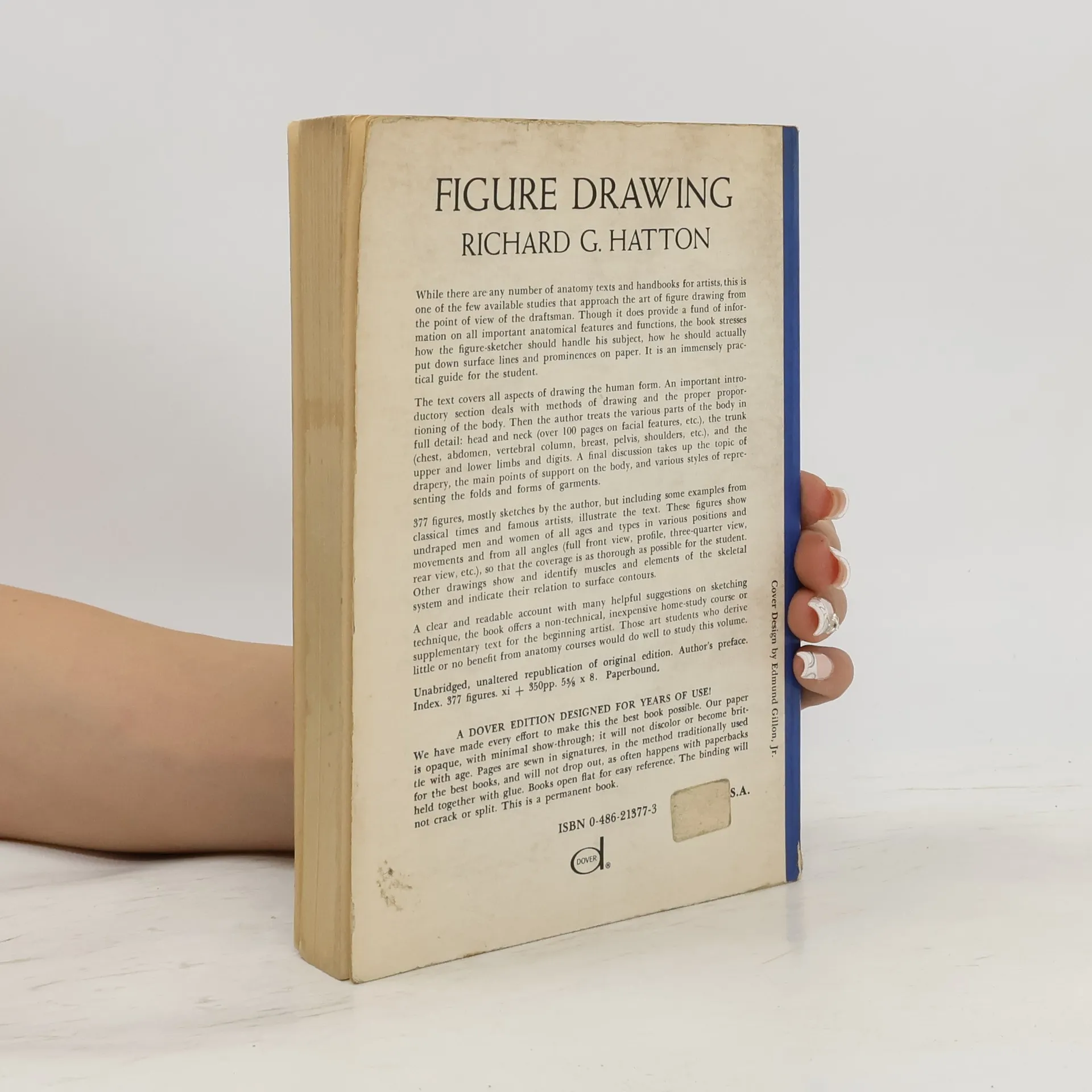
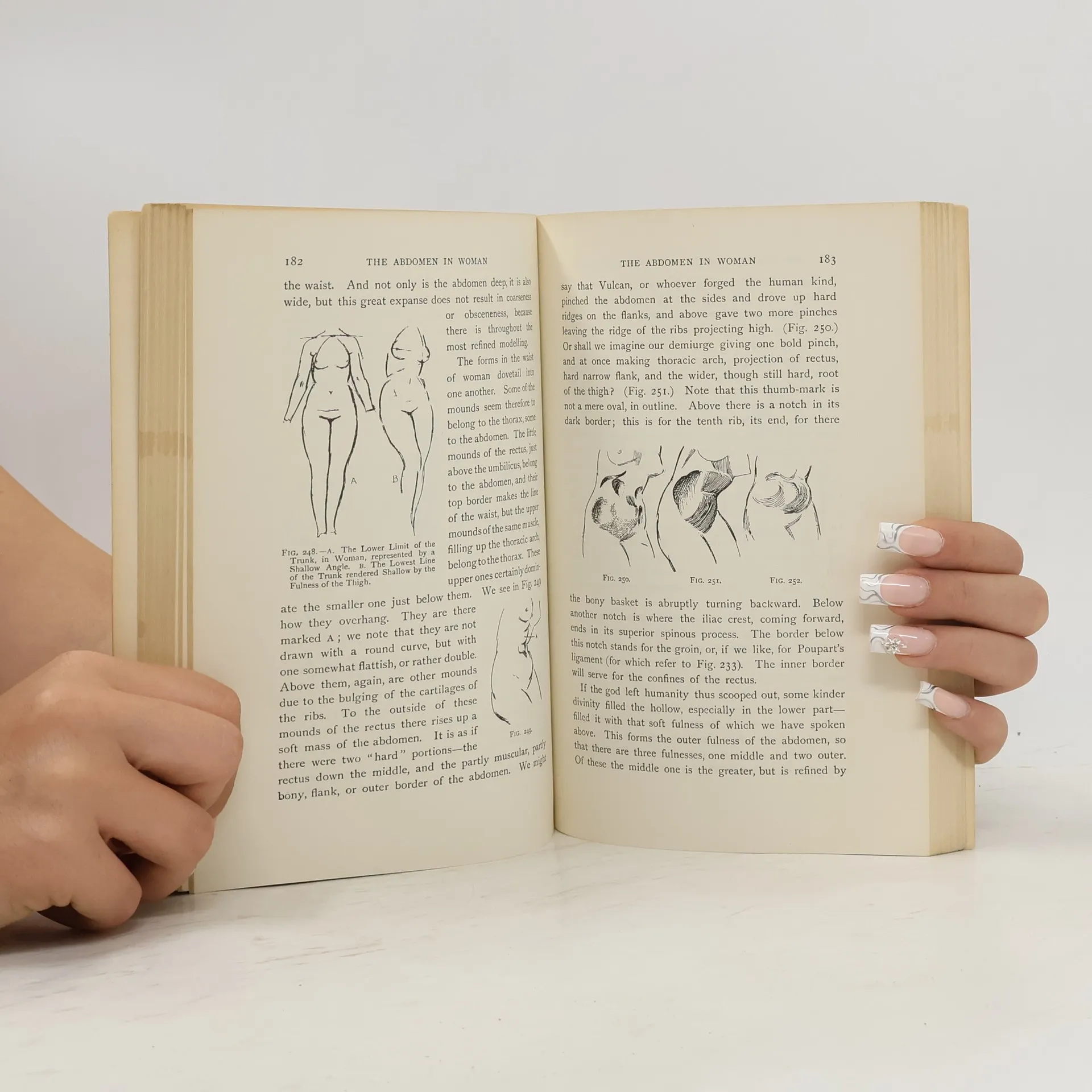
This study approaches figure drawing from the draftsman's perspective, making it a unique resource among anatomy texts for artists. It offers essential information on anatomical features and functions while emphasizing practical techniques for sketching the human form. The guide is structured to assist students in effectively capturing surface lines and anatomical prominences on paper. The text begins with an introduction to drawing methods and body proportions, followed by detailed examinations of the head and neck (over 100 pages on facial features), trunk (including the chest, abdomen, and pelvis), and limbs. It concludes with a discussion on drapery, addressing body support points and styles for rendering garment folds. Illustrated with 377 figures—mostly the author's sketches, alongside examples from classical art—these visuals depict undraped individuals in various poses and angles, ensuring comprehensive coverage for students. Additional drawings identify muscles and skeletal elements, clarifying their relationship to surface contours. This clear, accessible account provides valuable sketching techniques, serving as a nontechnical, affordable resource for beginner artists. It is particularly beneficial for those who find traditional anatomy courses less helpful. The text is an unabridged republication of the original edition.
Zakup książki
Figure Drawing, Richard G. Hatton
- Język

- Rok wydania
- 2010
- Oprawa
- (miękka)
Metody płatności
Brakuje nam tutaj Twojej recenzji.
- Tytuł
- Figure Drawing
- Język
- angielski
- Autorzy
- Richard G. Hatton
- Wydawca
- Dover
- Rok wydania
- 2010
- Oprawa
- miękka
- Liczba stron
- 384
- ISBN10
- 0486213773
- ISBN13
- 9780486213774
- Seria
- Tagi
- Sztuki piękne, Rysowanie
- Ocena
- 3,6 z 5
- Opis
- This study approaches figure drawing from the draftsman's perspective, making it a unique resource among anatomy texts for artists. It offers essential information on anatomical features and functions while emphasizing practical techniques for sketching the human form. The guide is structured to assist students in effectively capturing surface lines and anatomical prominences on paper. The text begins with an introduction to drawing methods and body proportions, followed by detailed examinations of the head and neck (over 100 pages on facial features), trunk (including the chest, abdomen, and pelvis), and limbs. It concludes with a discussion on drapery, addressing body support points and styles for rendering garment folds. Illustrated with 377 figures—mostly the author's sketches, alongside examples from classical art—these visuals depict undraped individuals in various poses and angles, ensuring comprehensive coverage for students. Additional drawings identify muscles and skeletal elements, clarifying their relationship to surface contours. This clear, accessible account provides valuable sketching techniques, serving as a nontechnical, affordable resource for beginner artists. It is particularly beneficial for those who find traditional anatomy courses less helpful. The text is an unabridged republication of the original edition.