



Więcej o książce
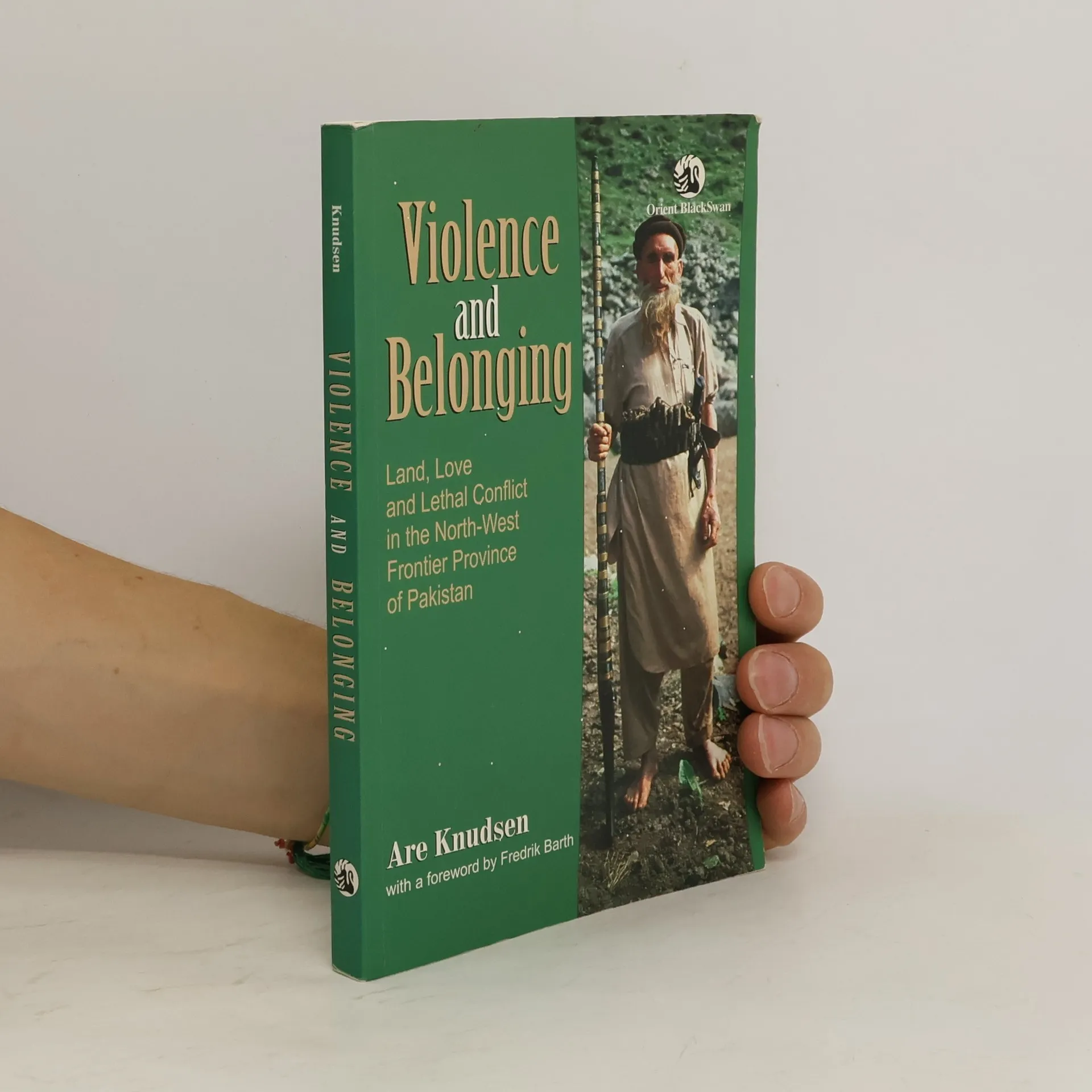
Violence and Belonging examines the meanings of lethal conflict in a little-studied tribal society in Pakistan’s unruly North-West Frontier Province and offers a new perspective on its causes. Based on an in-depth study of local conflicts, the book challenges stereotyped images of a region and people miscast as extremist and militant. Being grounded in local ethnography enables the book to shed light on the complexities of violence, not only at the structural or systematic level, but also as experienced by the men involved in lethal conflict. In this way, the book provides a subjective and experiential approach to violence that is applicable beyond the field locality and relevant for advancing the study of violence in the Middle East and South Asia. The book is the first ethnographic study of this region since renowned anthropologist Fredrik Barth’s pioneering study in 1954.
Zakup książki
Violence And Belonging, Are Knudsen, Fredrik Barth
- Język

- Rok wydania
- 2011
- Oprawa
- (miękka)
Metody płatności
Nikt jeszcze nie ocenił.
- Tytuł
- Violence And Belonging
- Podtytuł
- Land, Love And Lethal Conflict In The North-West Frontier Province Of Pakistan
- Język
- angielski
- Autorzy
- Are Knudsen, Fredrik Barth
- Wydawca
- Orient Blackswan
- Rok wydania
- 2011
- Oprawa
- miękka
- Liczba stron
- 252
- ISBN10
- 8125042016
- ISBN13
- 9788125042013
- Seria
- Kategorie
- Tagi
- Etnografia, Przemoc
- Opis
- Violence and Belonging examines the meanings of lethal conflict in a little-studied tribal society in Pakistan’s unruly North-West Frontier Province and offers a new perspective on its causes. Based on an in-depth study of local conflicts, the book challenges stereotyped images of a region and people miscast as extremist and militant. Being grounded in local ethnography enables the book to shed light on the complexities of violence, not only at the structural or systematic level, but also as experienced by the men involved in lethal conflict. In this way, the book provides a subjective and experiential approach to violence that is applicable beyond the field locality and relevant for advancing the study of violence in the Middle East and South Asia. The book is the first ethnographic study of this region since renowned anthropologist Fredrik Barth’s pioneering study in 1954.