

Parametry
- 300 stron
- 11 godzin czytania
Więcej o książce
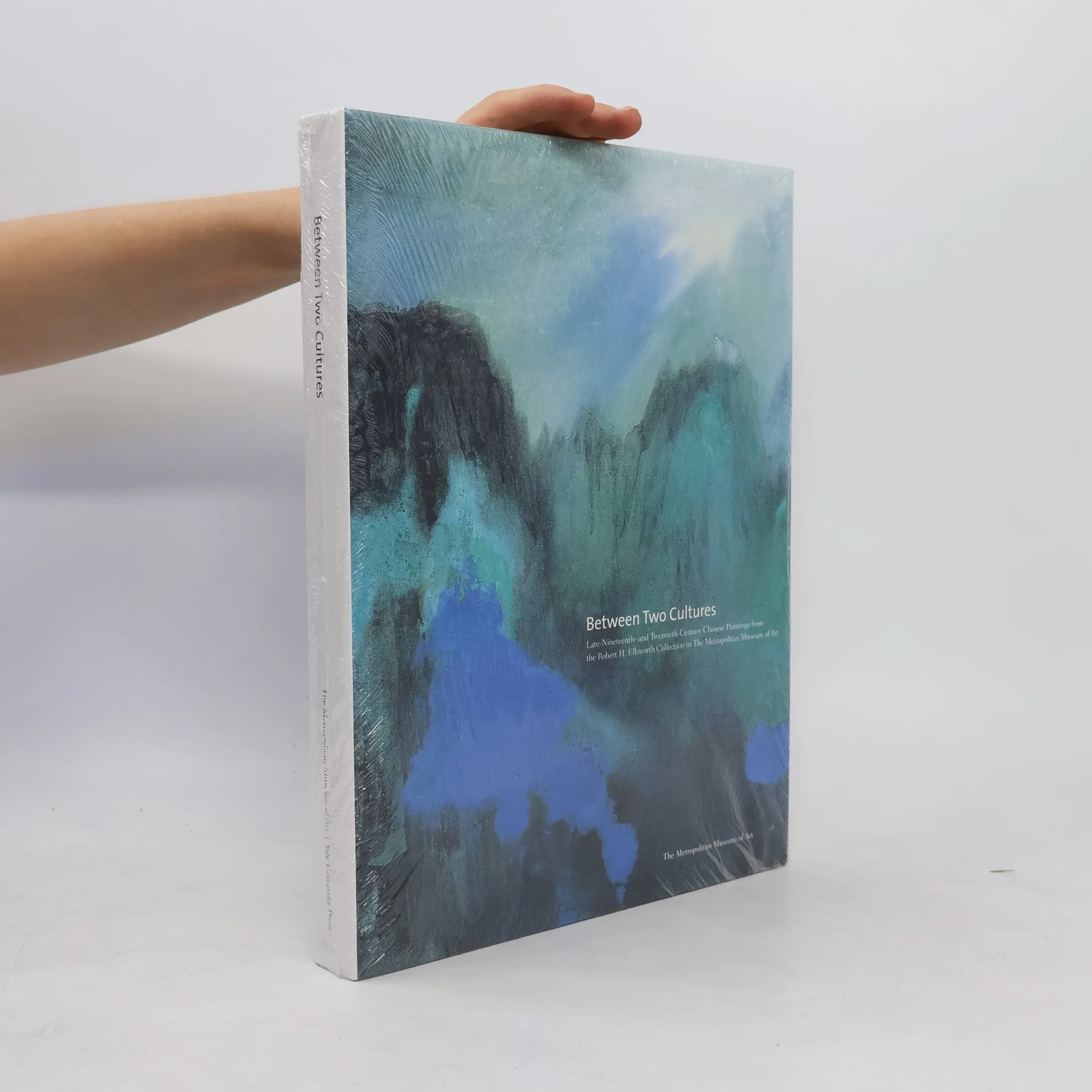
During a crucial period from the 1860s to about 1980, Chinese painting was transformed into a modern expression of its classical heritage. This book draws on a selection of modern Chinese paintings from the Robert H. Ellsworth Collection at The Metropolitan Museum of Art in order to explore this period, discussing issues of modernity and creativity in late-nineteenth- and early-twentieth-century Chinese painting. Wen C. Fong deals with both traditionalist and modernizing Chinese masters from the comparative perspective of East and West, traditional and modern. He begins by examining the last traditional "revival," the epigraphic school of painting, and the rise of a populist art in the cosmopolitan city of Shanghai. Next he focuses on painters who absorbed the lessons of Western realism, in particular one artist who followed the Ecole des Beaux Arts and one who adapted the model of the Japanese Nihonga painters, and on three great traditionalist masters, two of whom were professional populist painters. Finally he explores Chinese painting from about 1950 to 1980 by the second generation of artists and teachers in the national academies who, having been trained by traditionalist and Western-style teachers, developed their own schools of influence in their search for a new synthesis of Chinese and Western methods.
Zakup książki
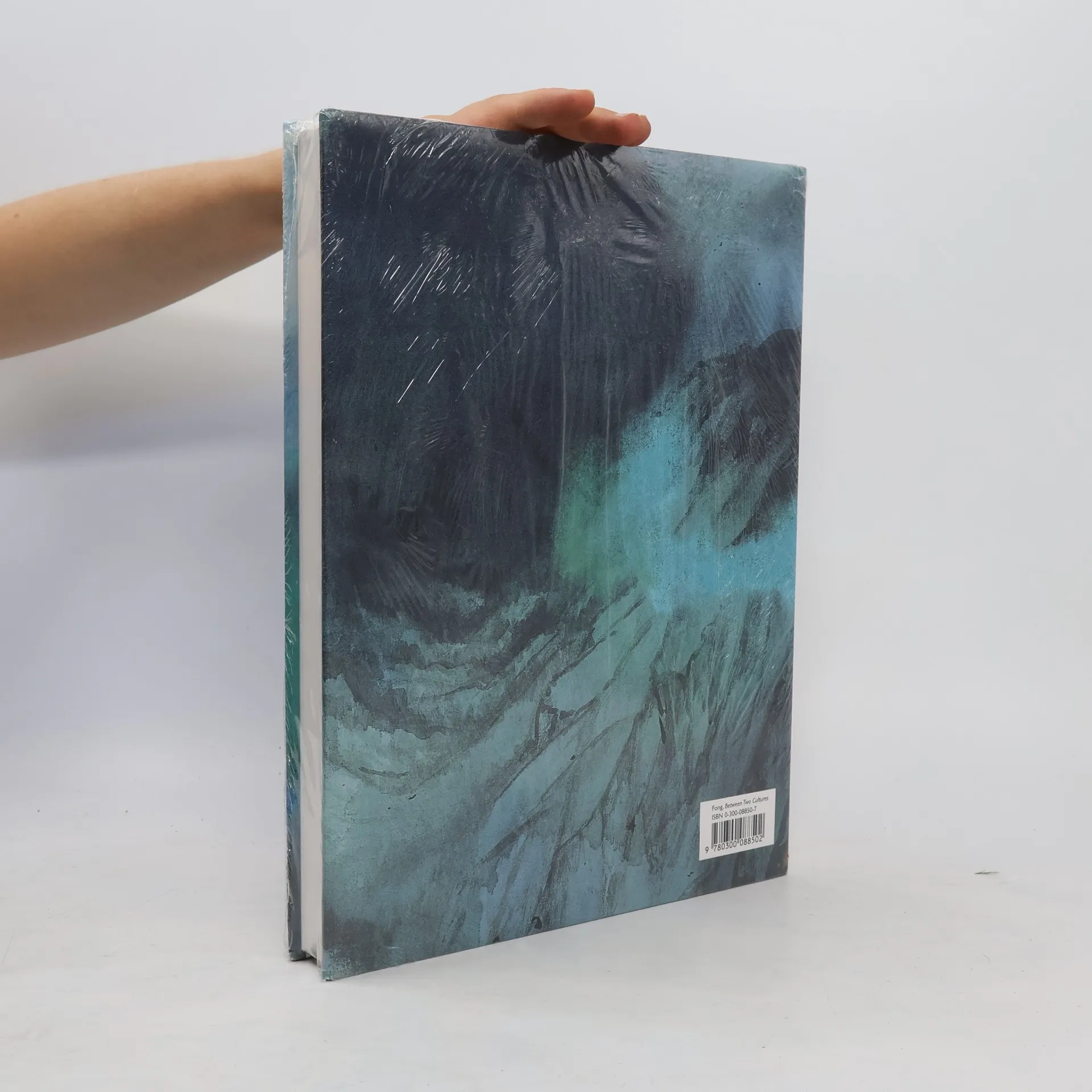
Between Two Cultures, Wen C. Fong
- Język

- Rok wydania
- 2001
- Oprawa
- (twarda)
Metody płatności
Nikt jeszcze nie ocenił.
- Tytuł
- Between Two Cultures
- Podtytuł
- Late-Nineteenth- and Early-Twentieth-Century Chinese Painting from the Robert H. Ellsworth Collection
- Język
- angielski
- Autorzy
- Wen C. Fong
- Wydawca
- Metropolitan Museum of Art
- Rok wydania
- 2001
- Oprawa
- twarda
- Liczba stron
- 300
- ISBN10
- 0300088507
- ISBN13
- 9780300088502
- Seria
- Kategorie
- Opis
- During a crucial period from the 1860s to about 1980, Chinese painting was transformed into a modern expression of its classical heritage. This book draws on a selection of modern Chinese paintings from the Robert H. Ellsworth Collection at The Metropolitan Museum of Art in order to explore this period, discussing issues of modernity and creativity in late-nineteenth- and early-twentieth-century Chinese painting. Wen C. Fong deals with both traditionalist and modernizing Chinese masters from the comparative perspective of East and West, traditional and modern. He begins by examining the last traditional "revival," the epigraphic school of painting, and the rise of a populist art in the cosmopolitan city of Shanghai. Next he focuses on painters who absorbed the lessons of Western realism, in particular one artist who followed the Ecole des Beaux Arts and one who adapted the model of the Japanese Nihonga painters, and on three great traditionalist masters, two of whom were professional populist painters. Finally he explores Chinese painting from about 1950 to 1980 by the second generation of artists and teachers in the national academies who, having been trained by traditionalist and Western-style teachers, developed their own schools of influence in their search for a new synthesis of Chinese and Western methods.