


Więcej o książce
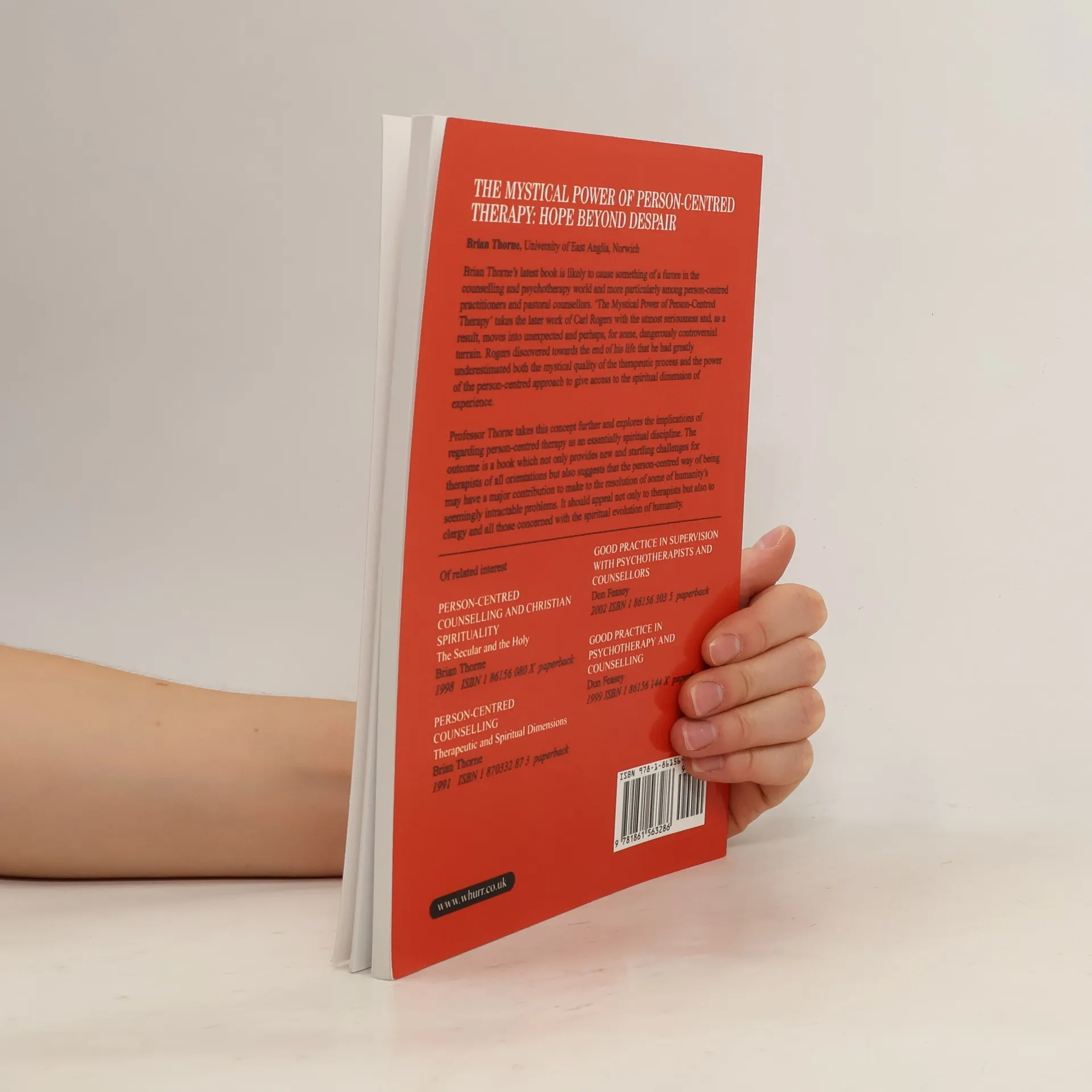
Brian Thorne’s latest book is likely to cause something of a furore in the counselling and psychotherapy world and more particularly among person–centred practitioners and pastoral counsellors. ‘The Mystical Power of Person–Centred Therapy’ takes the later work of Carl Rogers with the utmost seriousness and, as a result, moves into unexpected and perhaps, for some, dangerously controversial terrain. Rogers discovered towards the end of his life that he had greatly underestimated both the mystical quality of the therapeutic process and the power of the person–centred approach to give access to the spiritual dimension of experience. Professor Thorne takes this concept further and explores the implications of regarding person–centred therapy as an essentially spiritual discipline. The outcome is a book which not only provides new and startling challenges for therapists of all orientations but also suggests that the person–centred way of being may have a major contribution to make to the resolution of some of humanity’s seemingly intractable problems. It should appeal not only to therapists but also to clergy and all those concerned with the spiritual evolution of humanity. In the light of the events of September 11th 2001 and their aftermath such a book could not come at a more opportune time.
Zakup książki
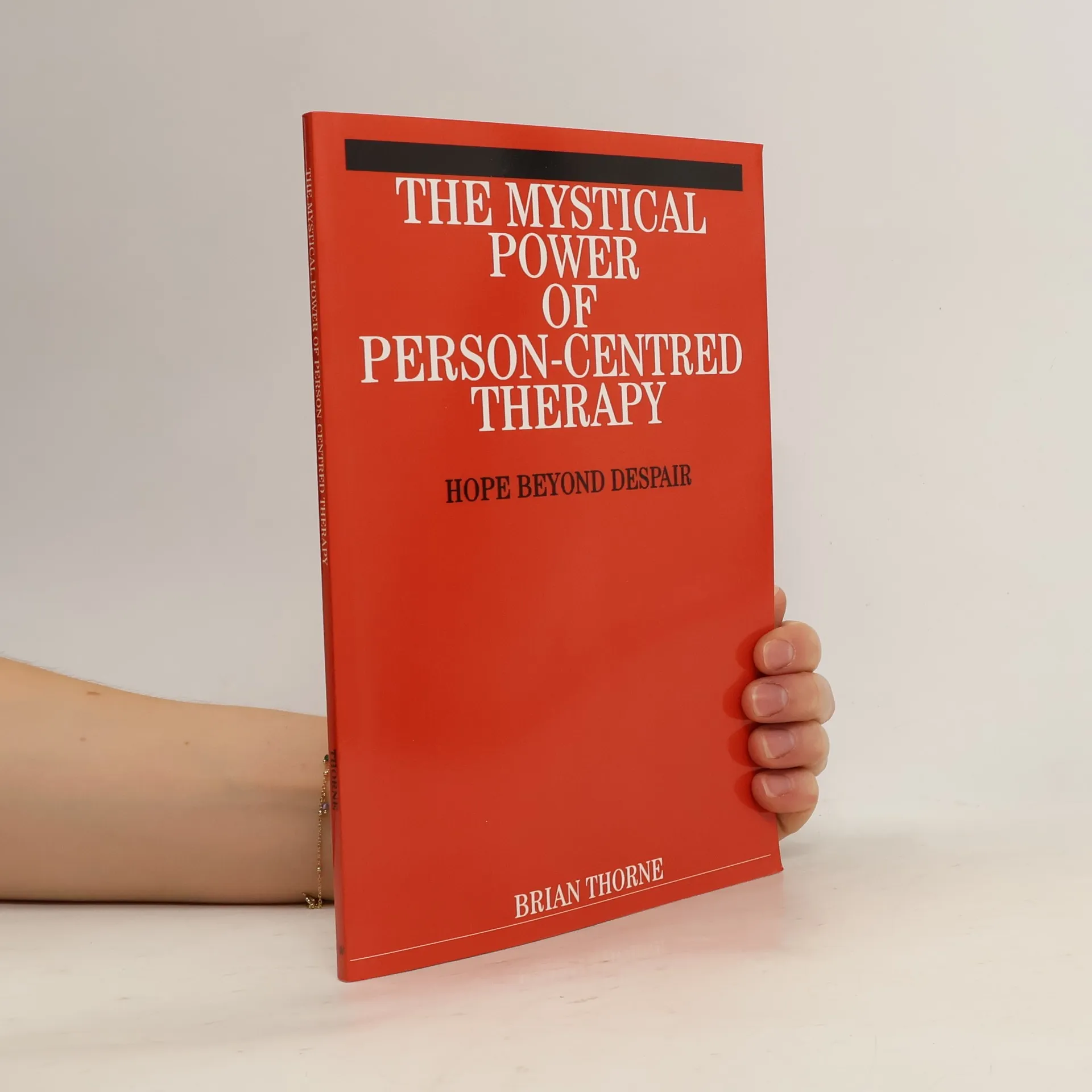
The Mystical Path of Person-Centred Therapy, Brian Thorne
- Język

- Rok wydania
- 2002
- Oprawa
- (miękka)
Metody płatności
Brakuje nam tutaj Twojej recenzji.
- Tytuł
- The Mystical Path of Person-Centred Therapy
- Podtytuł
- Hope Beyond Despair
- Język
- angielski
- Autorzy
- Brian Thorne
- Wydawca
- Wiley-Blackwell
- Rok wydania
- 2002
- Oprawa
- miękka
- Liczba stron
- 150
- ISBN10
- 1861563280
- ISBN13
- 9781861563286
- Seria
- Ocena
- 3,9 z 5
- Opis
- Brian Thorne’s latest book is likely to cause something of a furore in the counselling and psychotherapy world and more particularly among person–centred practitioners and pastoral counsellors. ‘The Mystical Power of Person–Centred Therapy’ takes the later work of Carl Rogers with the utmost seriousness and, as a result, moves into unexpected and perhaps, for some, dangerously controversial terrain. Rogers discovered towards the end of his life that he had greatly underestimated both the mystical quality of the therapeutic process and the power of the person–centred approach to give access to the spiritual dimension of experience. Professor Thorne takes this concept further and explores the implications of regarding person–centred therapy as an essentially spiritual discipline. The outcome is a book which not only provides new and startling challenges for therapists of all orientations but also suggests that the person–centred way of being may have a major contribution to make to the resolution of some of humanity’s seemingly intractable problems. It should appeal not only to therapists but also to clergy and all those concerned with the spiritual evolution of humanity. In the light of the events of September 11th 2001 and their aftermath such a book could not come at a more opportune time.