



Parametry
- 352 strony
- 13 godzin czytania
Więcej o książce
When first published in 1976, this classic work challenged mainstream economic thought with its central tenet that more is not necessarily better. Over time, this paradoxical claim gained acceptance. The book was pioneering in applying behaviorist psychology to consumer behavior in clear, accessible language. Analyzing the failures of consumerism, the author concluded that the human need for stimulation is so vital it can lead to violence if not met by novelty—whether through work, art, fashion, gadgets, or scandal. While much of the text reflects on American post-war prosperity and its issues, the revised edition addresses recent social and economic changes. A new preface and a foreword by economist Robert Frank highlight emerging issues, while two revised chapters explore the assimilation of counter-cultural ideas regarding quality of life. The author draws compelling connections between the new elite of educated consumers and a growing underclass facing drugs and violence, examining how these groups respond to challenges of leisure and boredom. In light of the "decade of greed" and calls for a "kindler, gentler" society, this work appears more relevant than ever.
Zakup książki
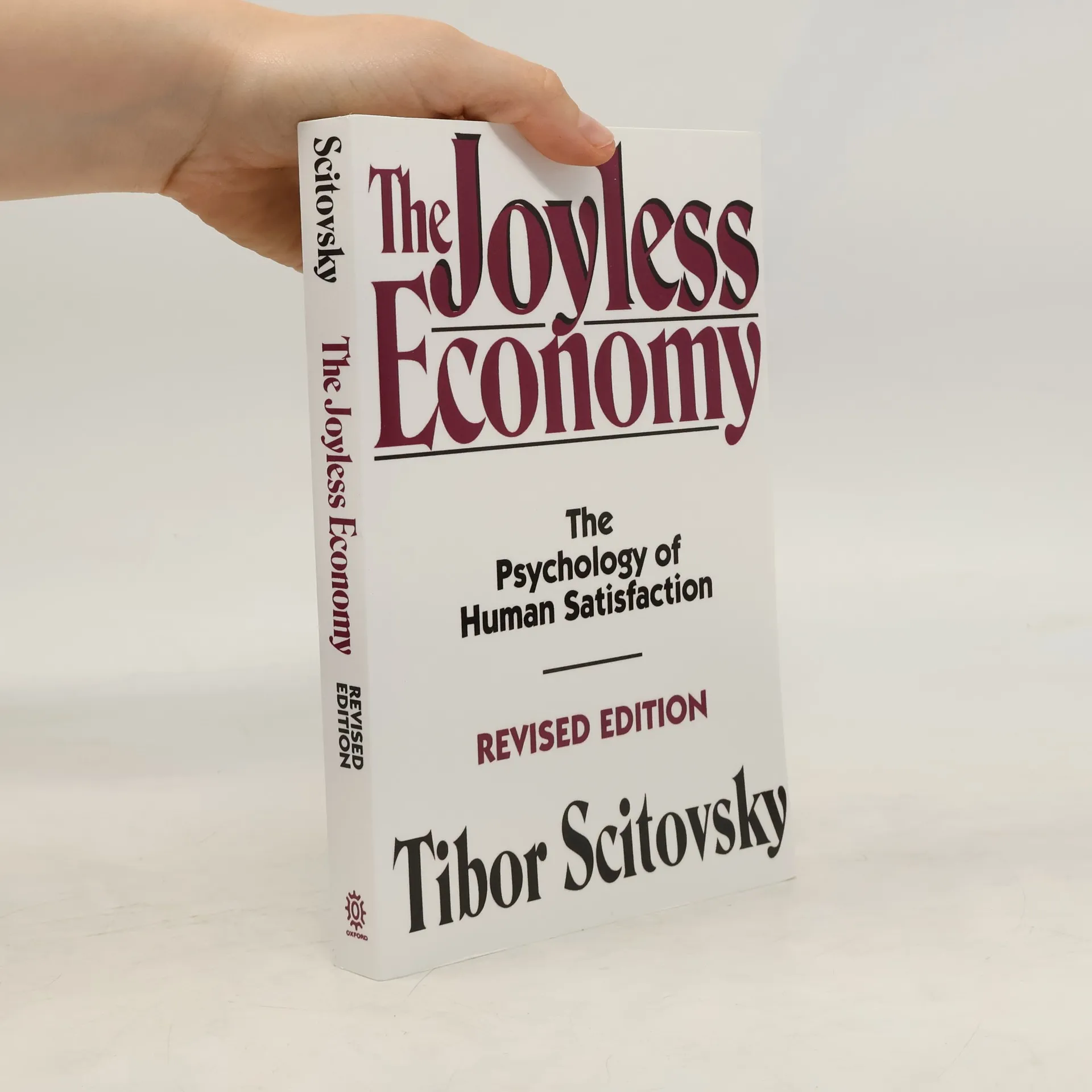
The Joyless Economy, Tibor Scitovsky
- Język

- Rok wydania
- 1992
- Oprawa
- (miękka)
Metody płatności
Brakuje nam tutaj Twojej recenzji.
- Tytuł
- The Joyless Economy
- Podtytuł
- The Psychology of Human Satisfaction - Revised Edition
- Język
- angielski
- Autorzy
- Tibor Scitovsky
- Wydawca
- Oxford University Press
- Rok wydania
- 1992
- Oprawa
- miękka
- Liczba stron
- 352
- ISBN10
- 0195073479
- ISBN13
- 9780195073478
- Seria
- Kategorie
- Ocena
- 4,05 z 5
- Opis
- When first published in 1976, this classic work challenged mainstream economic thought with its central tenet that more is not necessarily better. Over time, this paradoxical claim gained acceptance. The book was pioneering in applying behaviorist psychology to consumer behavior in clear, accessible language. Analyzing the failures of consumerism, the author concluded that the human need for stimulation is so vital it can lead to violence if not met by novelty—whether through work, art, fashion, gadgets, or scandal. While much of the text reflects on American post-war prosperity and its issues, the revised edition addresses recent social and economic changes. A new preface and a foreword by economist Robert Frank highlight emerging issues, while two revised chapters explore the assimilation of counter-cultural ideas regarding quality of life. The author draws compelling connections between the new elite of educated consumers and a growing underclass facing drugs and violence, examining how these groups respond to challenges of leisure and boredom. In light of the "decade of greed" and calls for a "kindler, gentler" society, this work appears more relevant than ever.