



Więcej o książce
During one of the most perilous moments in history, the United States and the Soviet Union faced off with enough nuclear weapons to destroy each other's civilizations. For two weeks, an executive committee around President Kennedy's National Security Council debated their response to Soviet military units in Cuba, which were prepared for nuclear retaliation. Unknown to most participants, tape recordings captured these critical deliberations, providing a unique glimpse into the decision-making process that could have altered the course of history. These transcripts represent a vital document from the Cuban missile crisis, revealing the intense discussions of those responsible for the fate of the West in a rapidly evolving and dangerous situation. President Kennedy, wary of experts following the Bay of Pigs incident and troubled by his previous confrontation with Khrushchev, navigated the crisis with the weight of nuclear codes nearby. The editors contextualize the participants and their actions, framing this singular crisis within the larger narrative of several administrations. Their conclusions, which include insights into Khrushchev's perspective, highlight this moment as the climax of the Cold War.
Zakup książki
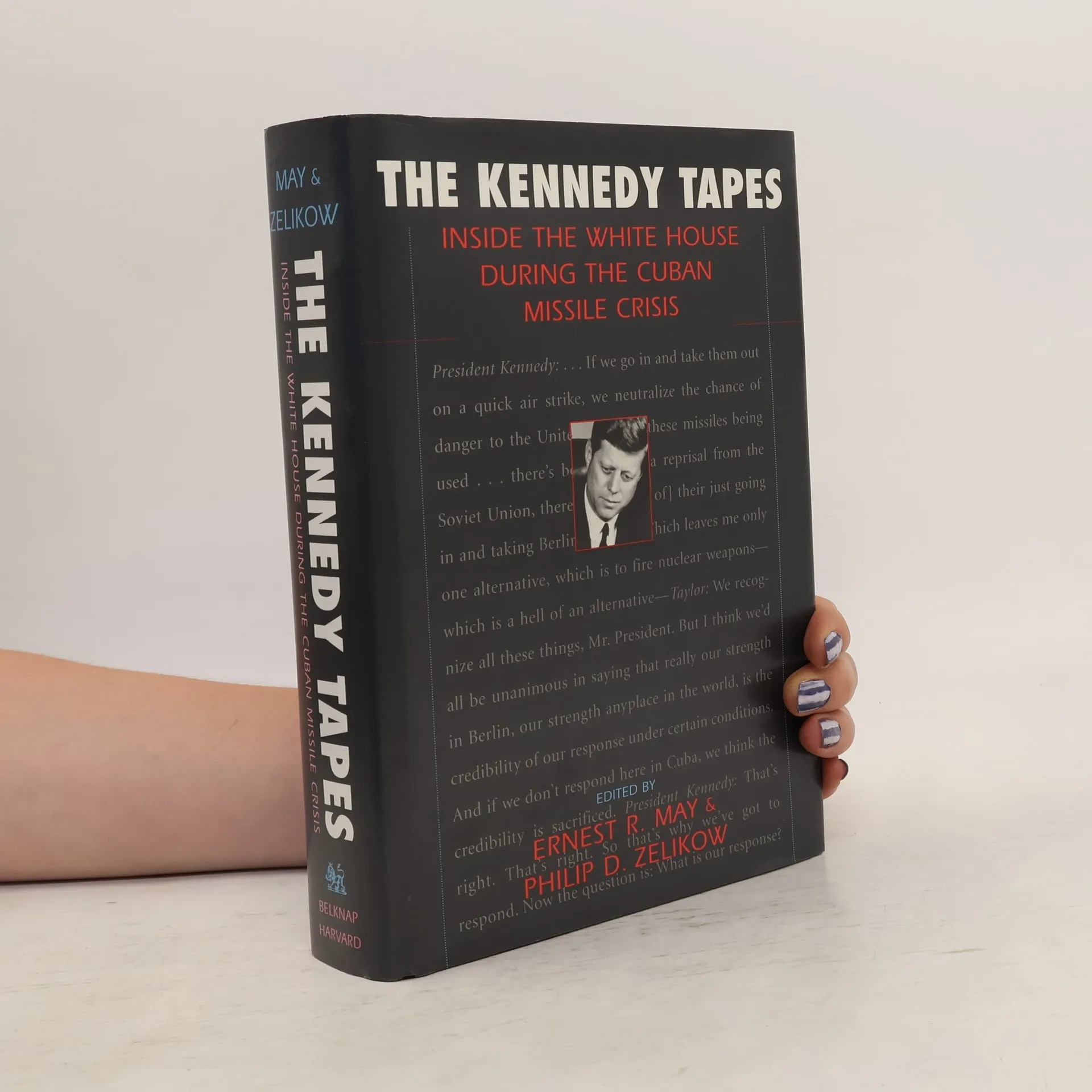
The Kennedy Tapes, Ernest R. May, Philip D. Zelikow
- Język

- Rok wydania
- 1997
- Oprawa
- (twarda)
Metody płatności
Brakuje nam tutaj Twojej recenzji.
- Tytuł
- The Kennedy Tapes
- Podtytuł
- Inside the White House During the Cuban Missile Crisis
- Język
- angielski
- Autorzy
- Ernest R. May, Philip D. Zelikow
- Wydawca
- Belknap Press
- Rok wydania
- 1997
- Oprawa
- twarda
- Liczba stron
- 800
- ISBN10
- 0674179269
- ISBN13
- 9780674179264
- Seria
- Ocena
- 4,1 z 5
- Opis
- During one of the most perilous moments in history, the United States and the Soviet Union faced off with enough nuclear weapons to destroy each other's civilizations. For two weeks, an executive committee around President Kennedy's National Security Council debated their response to Soviet military units in Cuba, which were prepared for nuclear retaliation. Unknown to most participants, tape recordings captured these critical deliberations, providing a unique glimpse into the decision-making process that could have altered the course of history. These transcripts represent a vital document from the Cuban missile crisis, revealing the intense discussions of those responsible for the fate of the West in a rapidly evolving and dangerous situation. President Kennedy, wary of experts following the Bay of Pigs incident and troubled by his previous confrontation with Khrushchev, navigated the crisis with the weight of nuclear codes nearby. The editors contextualize the participants and their actions, framing this singular crisis within the larger narrative of several administrations. Their conclusions, which include insights into Khrushchev's perspective, highlight this moment as the climax of the Cold War.