


Więcej o książce
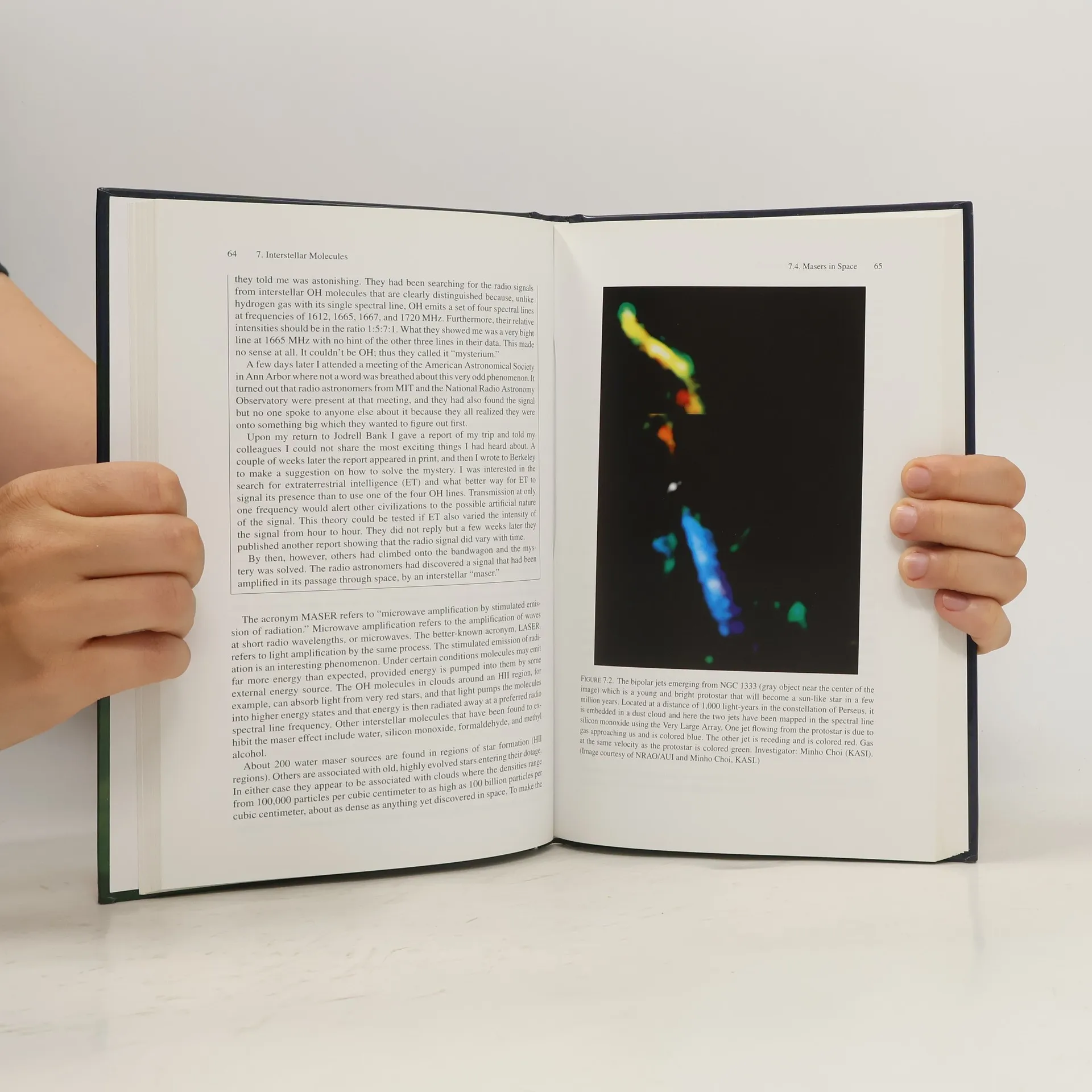
Hidden from human view and accessible only through sensitive receivers on massive radio telescopes, the invisible universe captivates our imagination. We struggle to grasp the concept of a galaxy exploding, yet this phenomenon characterizes some distant radio sources. Closer to home, radio astronomers monitor pulsars that signal star deaths and reveal states of matter with incredible densities. Between stars, radio emissions from over 120 complex molecules narrate the chemical processes that create the building blocks of life. This occurs in a universe that remains unseen, even with advanced tools like the Hubble Space Telescope. The narrative explores radio astronomy, detailing how radio waves are produced by stars, supernovae, quasars, colliding galaxies, and the universe's origins. It highlights the work of astronomers using large dishes in locations such as New Mexico, Puerto Rico, and West Virginia, who analyze data by "listening" to radio signals from space. Reviews of the first edition praise its engaging storytelling and superb illustrations, emphasizing the human aspects of astronomy. This unique work is recommended for college and public libraries, offering a complete and readable account of the radio sky, making it appealing to both scientists and the general public.
Zakup książki
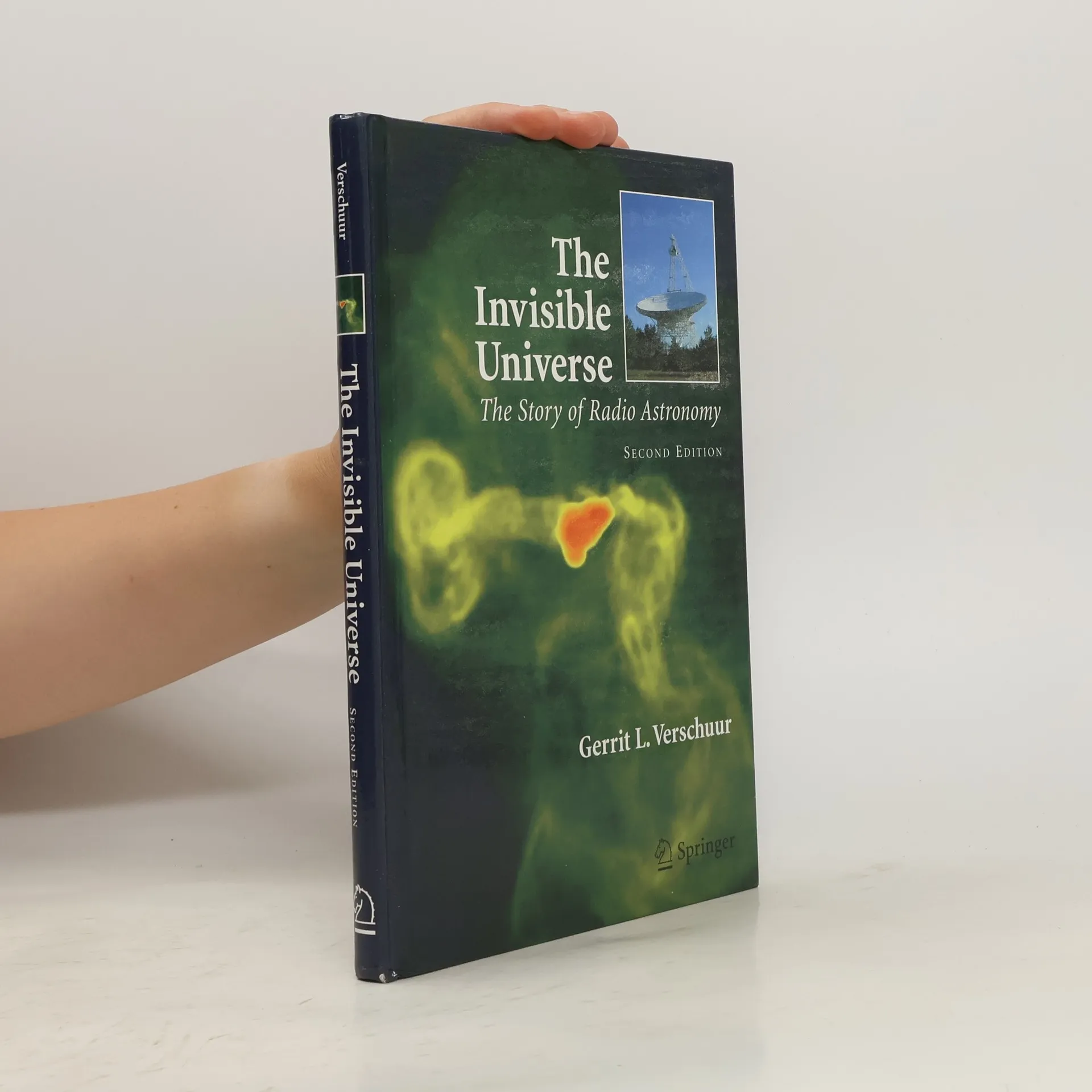
The Invisible Universe, Gerrit L. Verschuur
- Język

- Rok wydania
- 2006
- Oprawa
- (twarda)
Metody płatności
Brakuje nam tutaj Twojej recenzji.
- Tytuł
- The Invisible Universe
- Podtytuł
- The Story of Radio Astronomy - Second Edition
- Język
- angielski
- Autorzy
- Gerrit L. Verschuur
- Wydawca
- Springer
- Rok wydania
- 2006
- Oprawa
- twarda
- Liczba stron
- 169
- ISBN10
- 0387308164
- ISBN13
- 9780387308166
- Seria
- Ocena
- 4,2 z 5
- Opis
- Hidden from human view and accessible only through sensitive receivers on massive radio telescopes, the invisible universe captivates our imagination. We struggle to grasp the concept of a galaxy exploding, yet this phenomenon characterizes some distant radio sources. Closer to home, radio astronomers monitor pulsars that signal star deaths and reveal states of matter with incredible densities. Between stars, radio emissions from over 120 complex molecules narrate the chemical processes that create the building blocks of life. This occurs in a universe that remains unseen, even with advanced tools like the Hubble Space Telescope. The narrative explores radio astronomy, detailing how radio waves are produced by stars, supernovae, quasars, colliding galaxies, and the universe's origins. It highlights the work of astronomers using large dishes in locations such as New Mexico, Puerto Rico, and West Virginia, who analyze data by "listening" to radio signals from space. Reviews of the first edition praise its engaging storytelling and superb illustrations, emphasizing the human aspects of astronomy. This unique work is recommended for college and public libraries, offering a complete and readable account of the radio sky, making it appealing to both scientists and the general public.