


Więcej o książce
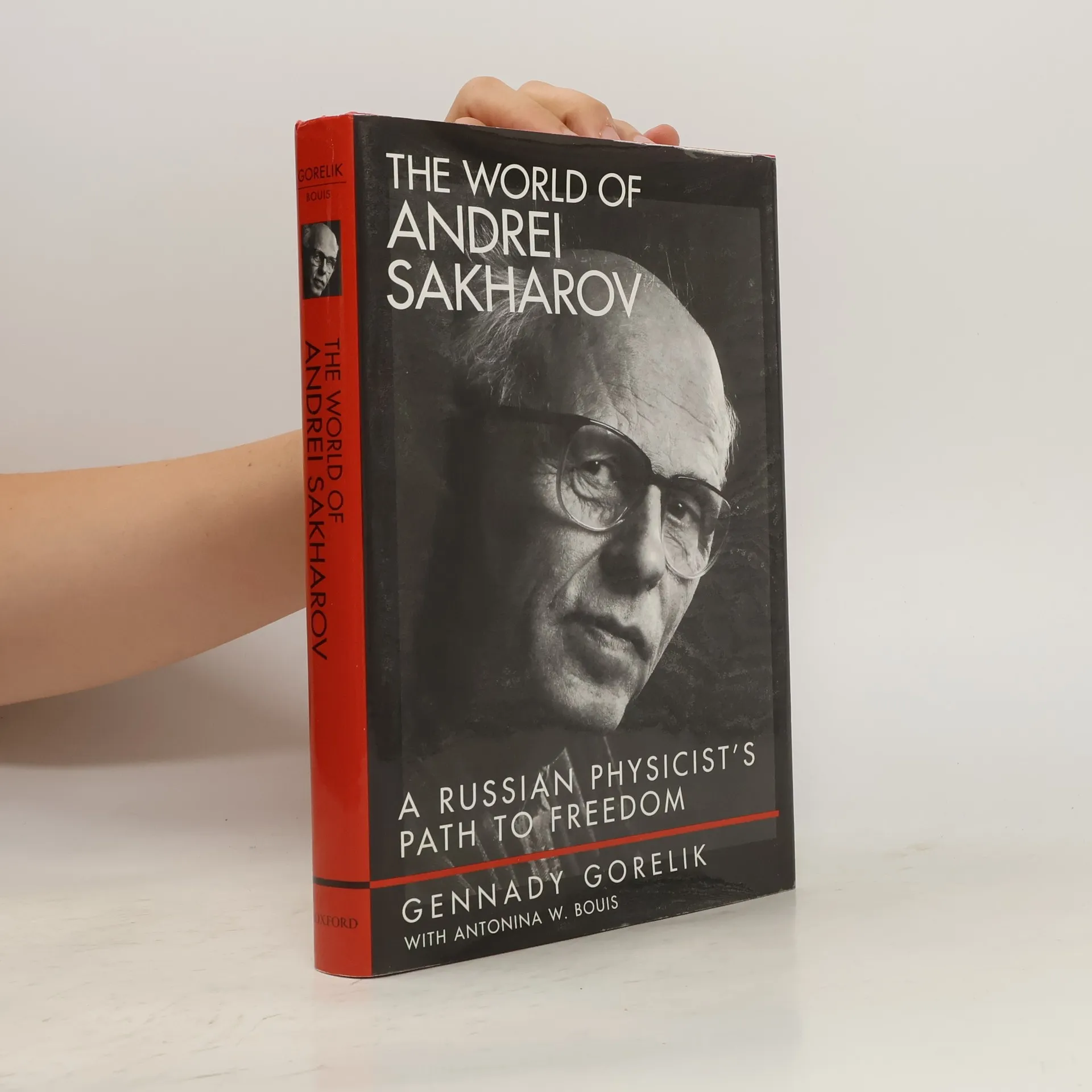
How did Andrei Sakharov, a theoretical physicist and the father of the Soviet hydrogen bomb, become a human rights activist and the first Russian Nobel Peace Prize laureate? In his later years, Sakharov described himself as "simply a man with an unusual fate." To explore this statement, the first authoritative study of Sakharov examines previously inaccessible documents, declassified archives, and personal accounts from friends and colleagues. Gennady Gorelik investigates whether Sakharov genuinely fathered the Soviet hydrogen bomb or if it was based on stolen American secrets. He concludes that, although espionage initiated the Soviet effort, the hydrogen bomb was invented independently. The study also delves into Sakharov's transformation into a public figure in 1968, marked by the distribution of his essay "Progress, Peaceful Coexistence, and Intellectual Freedom" in samizdat and its smuggling to the West. Declassified documents reveal that his metamorphosis stemmed from professional concerns about anti-ballistic missile defense. An insider's perspective on the Soviet regime led Sakharov to see that peace, progress, and human rights were interconnected. His vision included a hope for a future synthesis of scientific thought and religious perception.
Zakup książki
The World of Andrei Sakharov, Antonina W. Bouis, Gennady Gorelik
- Język

- Rok wydania
- 2005
- Oprawa
- (twarda)
Metody płatności
Brakuje nam tutaj Twojej recenzji.
- Tytuł
- The World of Andrei Sakharov
- Podtytuł
- A Russian Physicist's Path to Freedom
- Język
- angielski
- Autorzy
- Antonina W. Bouis, Gennady Gorelik
- Wydawca
- Oxford University Press
- Rok wydania
- 2005
- Oprawa
- twarda
- Liczba stron
- 406
- ISBN10
- 019515620X
- ISBN13
- 9780195156201
- Seria
- Kategorie
- Ocena
- 4,15 z 5
- Opis
- How did Andrei Sakharov, a theoretical physicist and the father of the Soviet hydrogen bomb, become a human rights activist and the first Russian Nobel Peace Prize laureate? In his later years, Sakharov described himself as "simply a man with an unusual fate." To explore this statement, the first authoritative study of Sakharov examines previously inaccessible documents, declassified archives, and personal accounts from friends and colleagues. Gennady Gorelik investigates whether Sakharov genuinely fathered the Soviet hydrogen bomb or if it was based on stolen American secrets. He concludes that, although espionage initiated the Soviet effort, the hydrogen bomb was invented independently. The study also delves into Sakharov's transformation into a public figure in 1968, marked by the distribution of his essay "Progress, Peaceful Coexistence, and Intellectual Freedom" in samizdat and its smuggling to the West. Declassified documents reveal that his metamorphosis stemmed from professional concerns about anti-ballistic missile defense. An insider's perspective on the Soviet regime led Sakharov to see that peace, progress, and human rights were interconnected. His vision included a hope for a future synthesis of scientific thought and religious perception.