

Więcej o książce
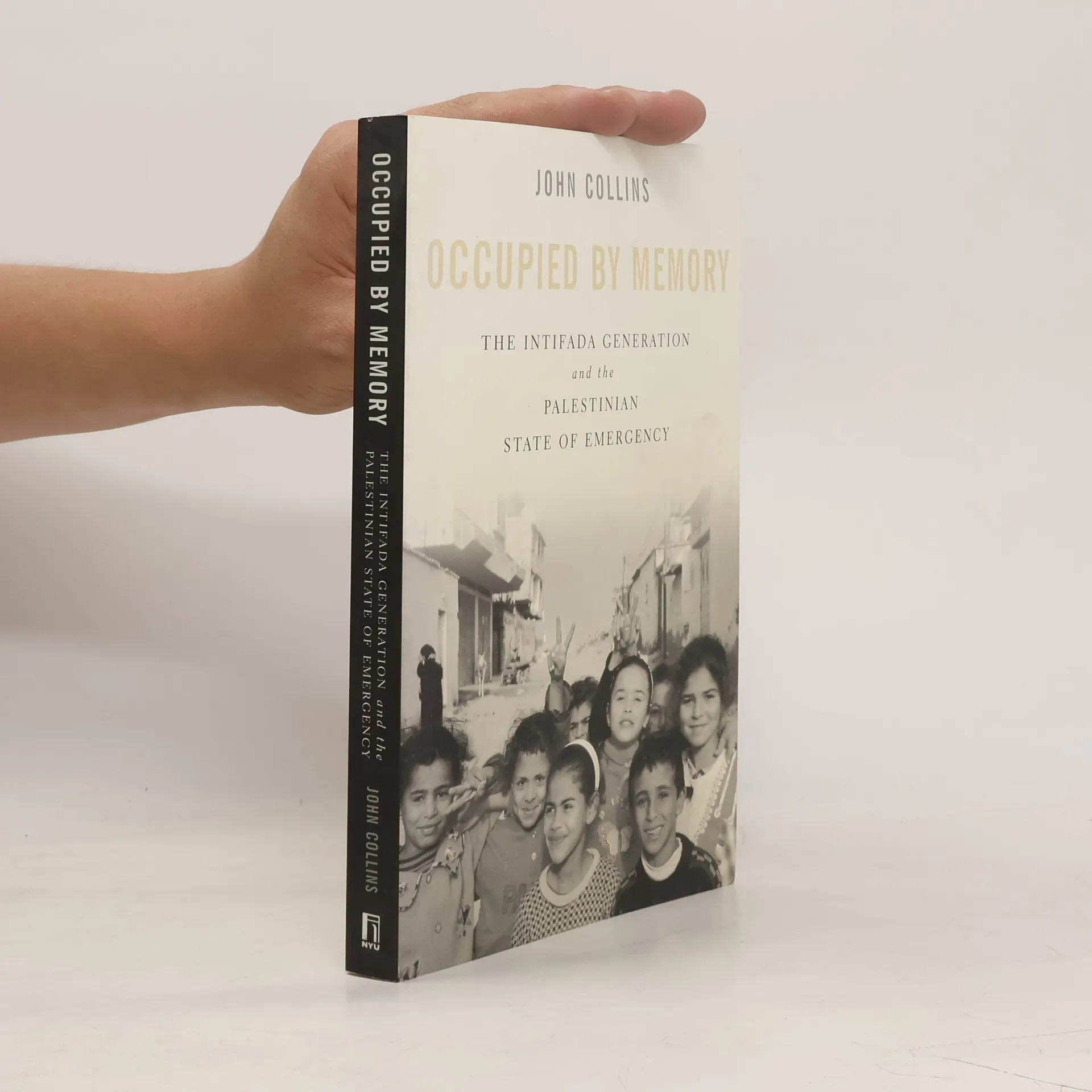
Occupied by Memory explores the memories of the first Palestinian intifada. Based on extensive interviews with members of the "intifada generation," those who were between 10 and 18 years old when the intifada began in 1987, the book provides a detailed look at the intifada memories of ordinary Palestinians. These personal stories are presented as part of a complex and politically charged discursive field through which young Palestinians are invested with meaning by scholars, politicians, journalists, and other observers. What emerges from their memories is a sense of a generation caught between a past that is simultaneously traumatic, empowering, and exciting--and a future that is perpetually uncertain. In this sense, Collins argues that understanding the stories and the struggles of the intifada generation is a key to understanding the ongoing state of emergency for the Palestinian people. The book will be of interest not only to scholars of the Middle East but also to those interested in nationalism, discourse analysis, social movements, and oral history.
Zakup książki
Occupied by Memory, John Collins
- Język

- Rok wydania
- 2004
- Oprawa
- (twarda)
Metody płatności
Nikt jeszcze nie ocenił.
- Tytuł
- Occupied by Memory
- Podtytuł
- The Intifada Generation and the Palestinian State of Emergency
- Język
- angielski
- Autorzy
- John Collins
- Wydawca
- NYU Press
- Rok wydania
- 2004
- Oprawa
- twarda
- Liczba stron
- 285
- ISBN10
- 0814716377
- ISBN13
- 9780814716373
- Seria
- Opis
- Occupied by Memory explores the memories of the first Palestinian intifada. Based on extensive interviews with members of the "intifada generation," those who were between 10 and 18 years old when the intifada began in 1987, the book provides a detailed look at the intifada memories of ordinary Palestinians. These personal stories are presented as part of a complex and politically charged discursive field through which young Palestinians are invested with meaning by scholars, politicians, journalists, and other observers. What emerges from their memories is a sense of a generation caught between a past that is simultaneously traumatic, empowering, and exciting--and a future that is perpetually uncertain. In this sense, Collins argues that understanding the stories and the struggles of the intifada generation is a key to understanding the ongoing state of emergency for the Palestinian people. The book will be of interest not only to scholars of the Middle East but also to those interested in nationalism, discourse analysis, social movements, and oral history.