



Więcej o książce
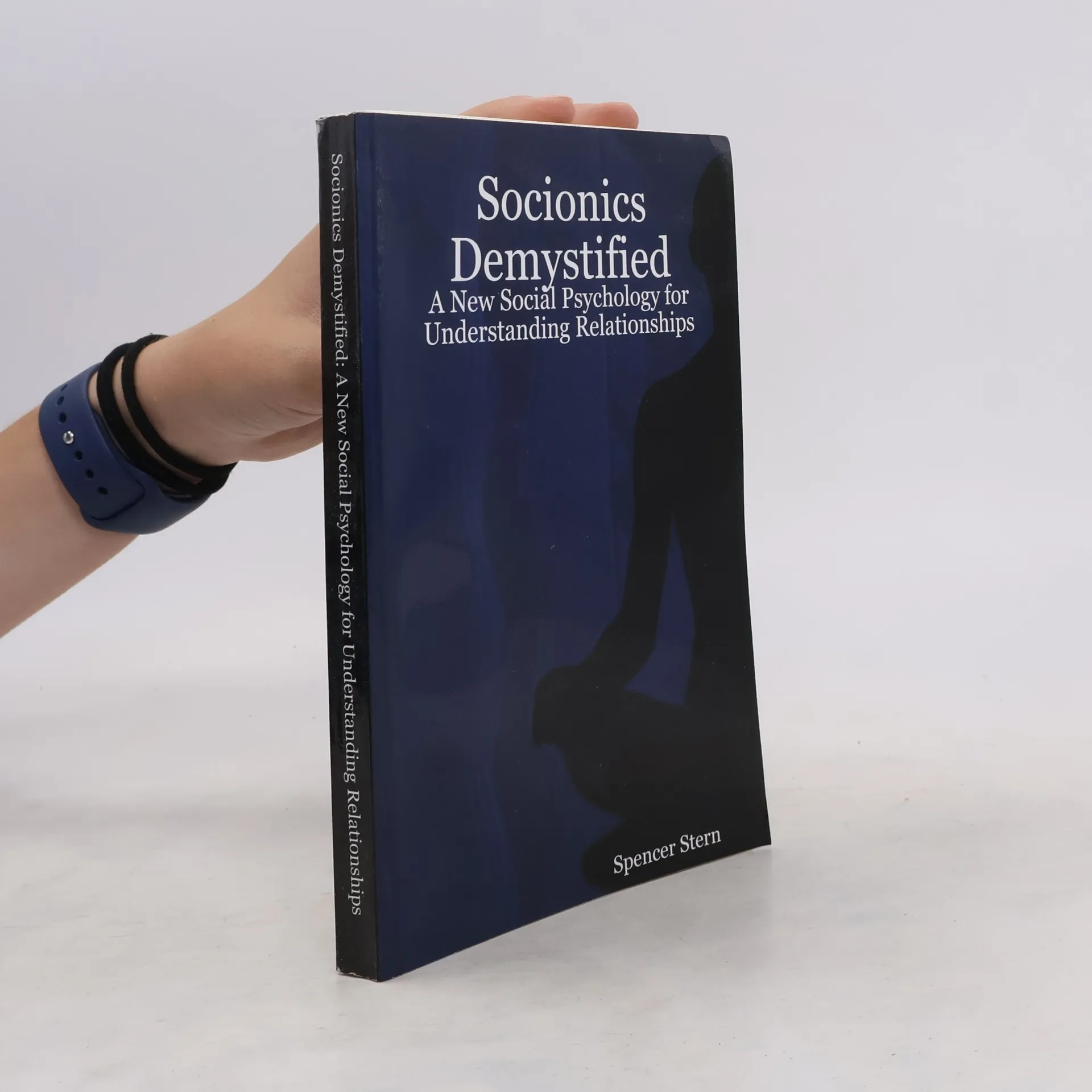
Socionics, a comparatively new Social Psychology from the 1970's was exposed primarily by Lithuanian Sociologist Aushra Augusta. It also includes work from Carl Jung's Psychological Types, Sigmund Freud's work on the conscious and subconscious and incorporates Antoni Kepinski's informational metabolism theory. Socionics Demystified introduces us to the sixteen psychological or personality types broken down by their Jungian functions or attitudes. By investigating how each of these make up components of the sixteen types we can see at a glance how they vary providing the basis behind explaining the inter-type relations. Why do some people arouse or irritate us? What ways can specific types of relationship be useful to us, or not? A closer look at the conscious and subconscious mind with an idea behind how information gets metabolised i.e. transmitted and received between individuals will attempt to answer the above questions.
Zakup książki
Socionics Demystified, Spencer Stern
- Język

- Rok wydania
- 2007
- Oprawa
- (miękka)
Metody płatności
Brakuje nam tutaj Twojej recenzji.
- Tytuł
- Socionics Demystified
- Podtytuł
- A New Social Psychology for Understanding Relationships
- Język
- angielski
- Autorzy
- Spencer Stern
- Wydawca
- Lulu Enterprises, UK Ltd
- Rok wydania
- 2007
- Oprawa
- miękka
- Liczba stron
- 240
- ISBN10
- 184753595X
- ISBN13
- 9781847535955
- Seria
- Ocena
- 4 z 5
- Opis
- Socionics, a comparatively new Social Psychology from the 1970's was exposed primarily by Lithuanian Sociologist Aushra Augusta. It also includes work from Carl Jung's Psychological Types, Sigmund Freud's work on the conscious and subconscious and incorporates Antoni Kepinski's informational metabolism theory. Socionics Demystified introduces us to the sixteen psychological or personality types broken down by their Jungian functions or attitudes. By investigating how each of these make up components of the sixteen types we can see at a glance how they vary providing the basis behind explaining the inter-type relations. Why do some people arouse or irritate us? What ways can specific types of relationship be useful to us, or not? A closer look at the conscious and subconscious mind with an idea behind how information gets metabolised i.e. transmitted and received between individuals will attempt to answer the above questions.